


 Deutsch
 English
 Español
 Français
 Nederlands
 Português


 Share
Share




What is the IEA Oil Crisis Report?
The International Energy Agency (IEA) has issued a historic warning that the ongoing conflict between the United States, Israel, and Iran has triggered the largest oil supply disruption in global market history. In its March 2026 Oil Market Report, the Paris-based agency revealed that the war has created unprecedented challenges for global energy security, with the Strait of Hormuz effectively closed and global oil production projected to drop by 8 million barrels per day this month alone. This represents a staggering 7.5% reduction in global supply, marking the most severe energy crisis since the 1970s oil shocks.
Unprecedented Strait of Hormuz Closure
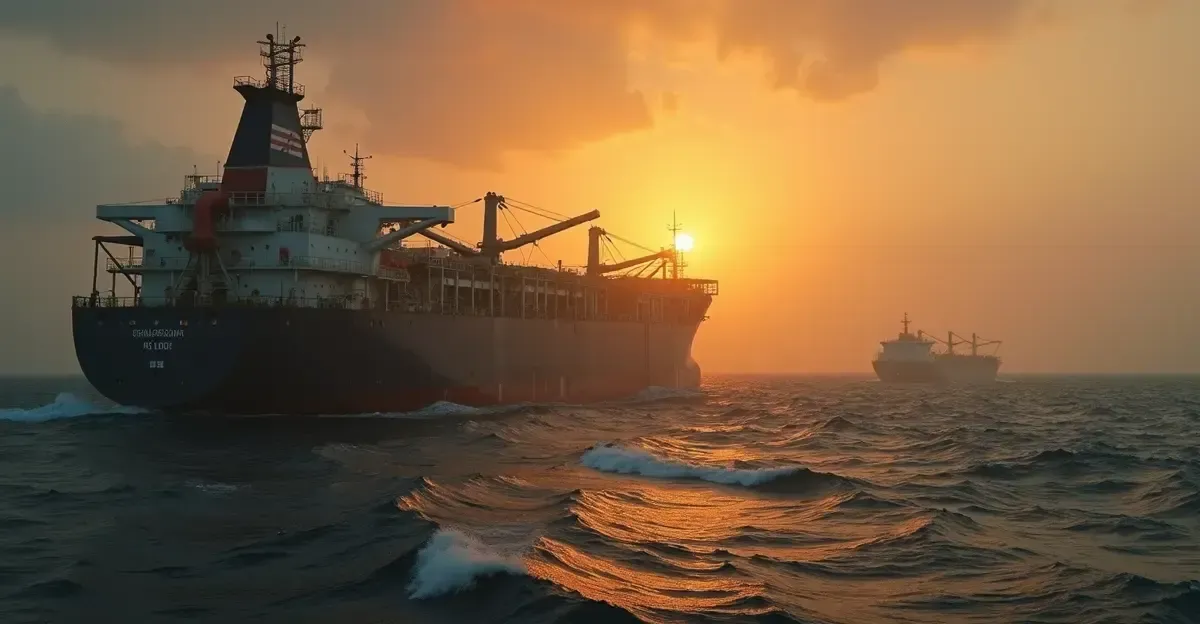
The core of the crisis lies in Iran's retaliatory closure of the Strait of Hormuz, a critical maritime chokepoint that normally handles approximately 20% of global oil shipments. According to IEA data, tanker traffic through this vital waterway has plummeted by more than 90%, dropping from 20 million barrels per day to a mere trickle. 'This represents the largest supply disruption in global oil market history,' stated the IEA in its report. The closure has forced Gulf producers including Saudi Arabia, Iraq, Kuwait, and the UAE to collectively reduce daily production by approximately 10 million barrels.
Global Economic Impact and Price Surge
The immediate consequence has been a dramatic surge in oil prices, with Brent crude futures jumping 11.6% to $103.47 per barrel and earlier peaks reaching $119.50. This price shock has ripple effects across the global economy, affecting everything from transportation costs to manufacturing and consumer prices. The IEA has revised its global oil demand growth forecast for 2026 downward by about 25% to just 640,000 barrels per day, citing cancelled flights, economic uncertainty, and reduced consumption due to higher prices.
Historic Emergency Response
In response to this unprecedented crisis, IEA member countries have taken the extraordinary step of releasing 400 million barrels from their strategic petroleum reserves – the largest emergency release in the agency's 52-year history. This coordinated action aims to provide a temporary buffer against supply shortages, but experts warn it's only a stop-gap measure. 'The emergency stocks release provides a buffer, but shipping resumption through the Strait of Hormuz remains critical for market stability,' noted the IEA report.
Regional Production Cuts and Market Dynamics
Before the conflict, the IEA had predicted a record oil surplus for 2026, with increasing production from the United States, Canada, Guyana, and Brazil expected to outpace consumption growth. However, the current situation has completely reversed this outlook. Gulf producers are now forced to cut production dramatically, with over 3 million barrels per day of regional refining capacity also shut down. The crisis has particularly impacted diesel and jet fuel markets, creating vulnerabilities in global transportation systems.
Long-Term Implications for Energy Security
The IEA warning highlights fundamental vulnerabilities in global energy systems and raises urgent questions about energy security. The crisis comes at a time when many nations were already grappling with energy transition challenges and geopolitical tensions. According to former IEA oil head Neil Atkinson, 'The world faces an energy crisis the likes of which we have never seen before.' This situation underscores the need for diversified energy sources and more resilient supply chains.
Global Response and Diplomatic Efforts
G7 finance ministers have held emergency meetings to coordinate responses, while countries worldwide are assessing their strategic options. The crisis has also intensified discussions about renewable energy adoption and energy independence. With approximately 68 loaded oil tankers currently trapped in the Persian Gulf carrying about 16 billion liters of oil, the situation remains highly volatile and could have environmental consequences if not resolved promptly.
FAQ: Understanding the 2026 Oil Crisis
What caused the current oil crisis?
The crisis was triggered by joint U.S.-Israel military strikes on Iran in late February 2026, followed by Iranian retaliation that included closing the Strait of Hormuz to shipping.
How much has oil production decreased?
The IEA projects global oil production will drop by 8 million barrels per day in March 2026, representing a 7.5% reduction in global supply.
What is the IEA doing about the crisis?
The International Energy Agency has coordinated the release of 400 million barrels from member countries' strategic petroleum reserves – the largest emergency release in its history.
How long could this crisis last?
The duration depends on diplomatic resolution and reopening of the Strait of Hormuz. Analysts warn that if the strait remains closed for four months, Brent crude could reach $135 per barrel.
Which countries are most affected?
Major Asian economies like India, Japan, and South Korea are particularly vulnerable due to their heavy reliance on Gulf energy supplies, but all oil-importing nations face economic impacts.
Sources and Further Reading
This analysis is based on the IEA March 2026 Oil Market Report available at IEA.org, Reuters coverage of the crisis at Reuters.com, and analysis from global energy market experts. Additional data comes from CNBC market reports and engineering industry publications tracking the Strait of Hormuz closure impacts.

Follow Discussion