


 Deutsch
 English
 Español
 Français
 Nederlands
 Português


 Share
Share




What is the Iran War Oil Crisis?
The ongoing Iran war that began in February 2026 has triggered what International Energy Agency (IEA) chief Fatih Birol calls 'the largest energy crisis in decades,' threatening Europe with potential 'national impoverishment' as oil prices surge above $100 per barrel. With the Strait of Hormuz effectively closed and 20 million barrels of daily oil shipments halted, European economies face unprecedented energy shocks that could combine soaring inflation with economic stagnation.
The Unprecedented Energy Crisis
The International Energy Agency, established after the 1973 oil crisis, has activated emergency measures six times in its history, but the 2026 response represents the largest coordinated release ever: 400 million barrels from strategic reserves. Despite this massive intervention, the situation remains critical as daily global oil consumption of 100 million barrels faces a 20% disruption through the Strait of Hormuz closure. 'The sense of urgency must be very great,' emphasizes IEA's Fatih Birol, warning this crisis could surpass all 20th-century oil shocks combined.
How the Strait of Hormuz Closure Impacts Europe
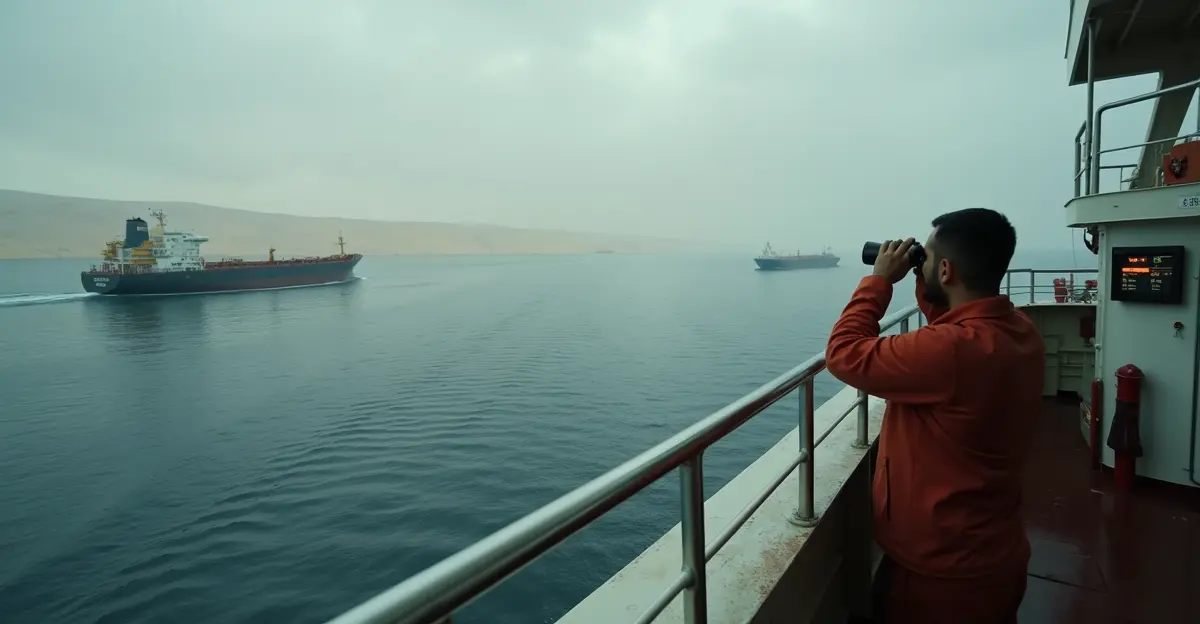
The Strait of Hormuz serves as the world's most critical oil chokepoint, with 25% of seaborne oil trade passing through this narrow waterway between Iran and Oman. Its closure has immediate consequences:
- European gasoline prices: Euro95 reaches €2.57 per liter
- Diesel prices: €2.68 per liter at European pumps
- Brent crude oil: Sustained above $100 per barrel
- US gasoline prices: Up 33% in one month
Europe's Vulnerability vs. US Resilience
BNR economist Han de Jong highlights the stark contrast between European and American energy security. While the US experiences price shocks, its relative energy self-sufficiency creates internal economic balance. 'The winners and losers somewhat balance each other out in the US. The economy as a whole doesn't become worse from it,' explains De Jong. Europe faces a different reality with greater dependence on international oil and gas supplies, making the continent particularly vulnerable to supply disruptions.
The 'National Impoverishment' Scenario
European nations confront what economists term 'national impoverishment' – a combination of wealth transfer abroad through higher energy import costs and domestic economic contraction. This dual threat includes:
- Inflation acceleration from energy price spikes
- Economic growth reduction as consumer spending power declines
- Trade balance deterioration as import costs rise
- Industrial competitiveness erosion against energy-independent regions
Strategic Responses and Future Outlook
The IEA continues to consider additional reserve releases while European governments explore emergency measures. However, with little de-escalation in the Iran conflict, economists warn prices could rise further. 'It could become much higher than where we are now,' fears De Jong regarding oil prices. The crisis underscores Europe's urgent need for energy diversification, similar to strategies discussed around the EU renewable energy transition.
Global Economic Implications
The Iran war's economic impact extends beyond Europe, affecting global markets and supply chains. Financial markets show heightened volatility, while industries dependent on affordable energy face profitability challenges. The situation resembles previous global energy market disruptions but with greater intensity due to the Strait of Hormuz's strategic importance. Energy analysts monitor whether this crisis will accelerate the transition to alternative energy sources or prompt renewed investment in fossil fuel infrastructure.
Frequently Asked Questions
What is causing the current oil crisis?
The 2026 Iran war has led to closure of the Strait of Hormuz, blocking 20 million barrels of daily oil shipments and creating the largest supply disruption since the 1970s energy crisis.
How long could high oil prices last?
With no immediate resolution to the Iran conflict, economists warn high prices could persist for months, potentially worsening if the situation escalates further.
Why is Europe more vulnerable than the US?
Europe imports approximately 85% of its oil needs versus the US's 40%, making European economies more susceptible to international supply disruptions and price shocks.
What can European governments do?
Options include strategic reserve releases, energy conservation measures, accelerating renewable energy deployment, and diplomatic efforts to resolve the conflict, similar to approaches in international energy diplomacy.
How does this compare to previous oil crises?
The IEA considers this potentially more severe than the 1973 and 1979 oil crises combined due to the Strait of Hormuz's critical role in global oil transportation.

Follow Discussion