


 Deutsch
 English
 Español
 Français
 Nederlands
 Português


 Share
Share




Record Oil Release: 400M Barrels From Strategic Reserves To Combat Price Surge
In an unprecedented move to stabilize global energy markets, the International Energy Agency (IEA) has coordinated the largest-ever release of strategic oil reserves, with 32 member countries including the Netherlands releasing a record 400 million barrels to combat soaring oil prices caused by the Iran war and Strait of Hormuz blockade. This historic intervention represents approximately four days of global oil consumption and aims to cushion economies from the shock of oil prices that recently approached $120 per barrel.
What Are Strategic Oil Reserves?
Strategic oil reserves are emergency stockpiles of crude oil maintained by governments to safeguard national economies during supply disruptions. Established after the 1973 oil crisis, these reserves serve as a critical buffer against geopolitical shocks, natural disasters, and market volatility. Under IEA rules, member countries that are net oil importers must maintain reserves equivalent to at least 90 days of net oil imports. The Netherlands' reserves are managed by COVA (Centraal Orgaan Voorraadvorming Aardolieproducten), which maintains strategic stocks equivalent to approximately 33 jerrycans per Dutch household.
The Crisis: Strait of Hormuz Blockade
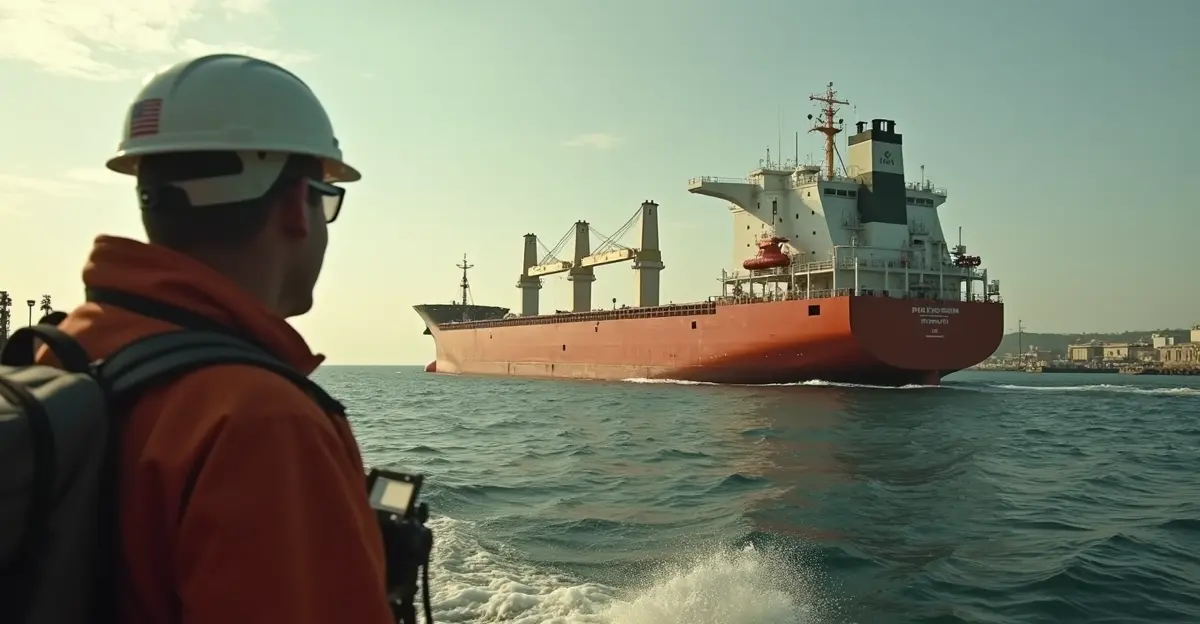
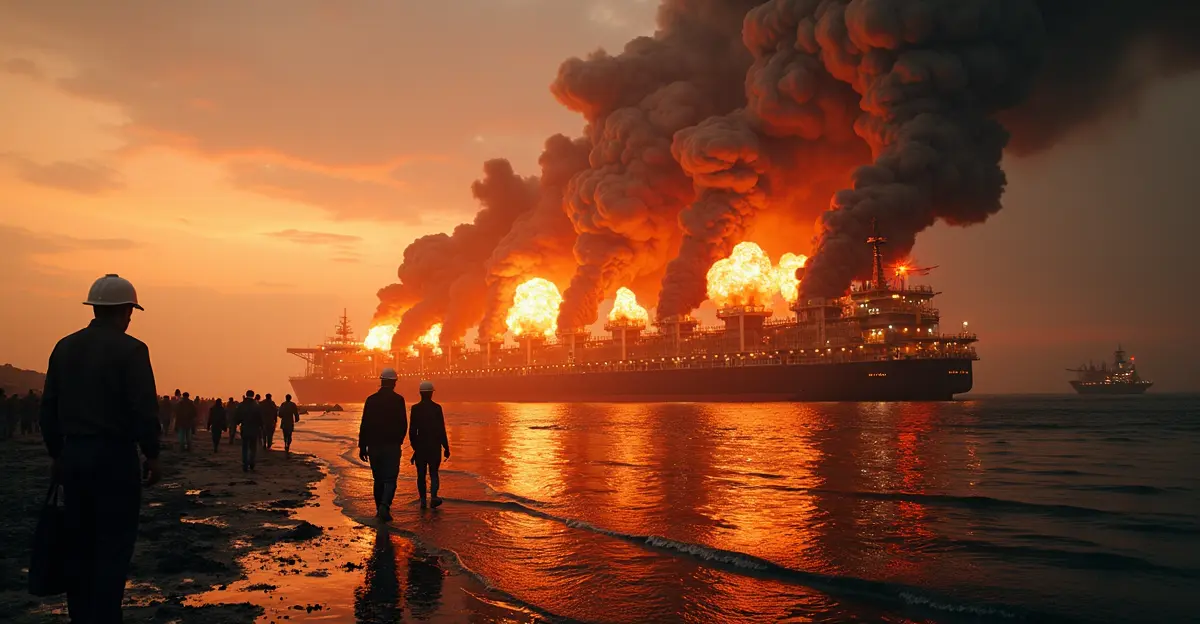
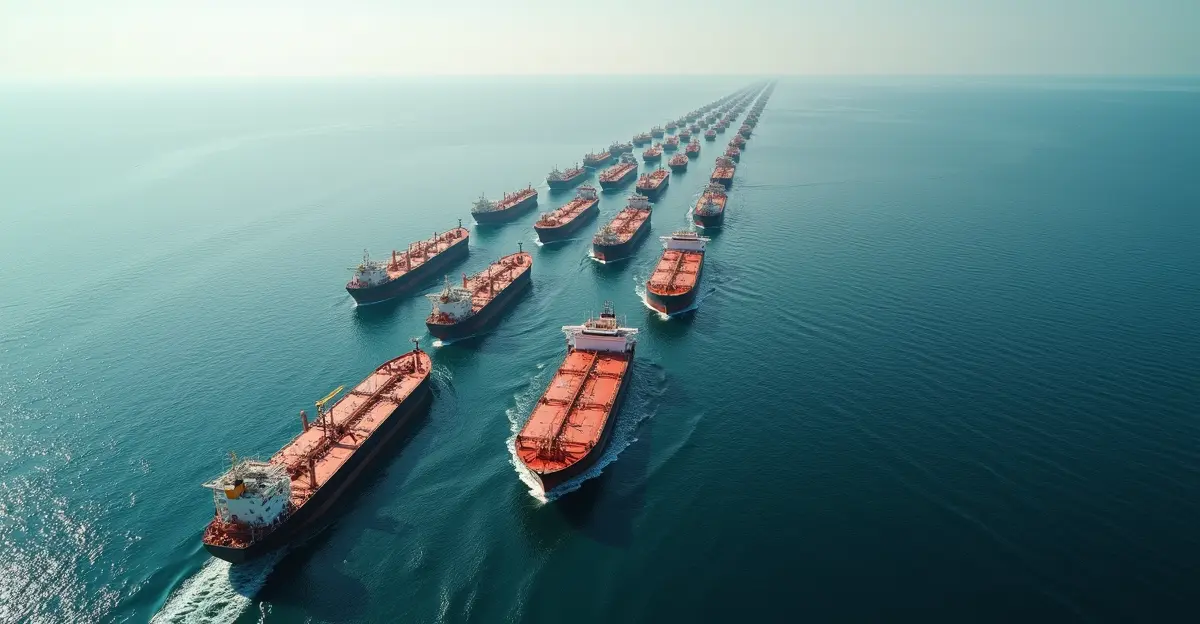
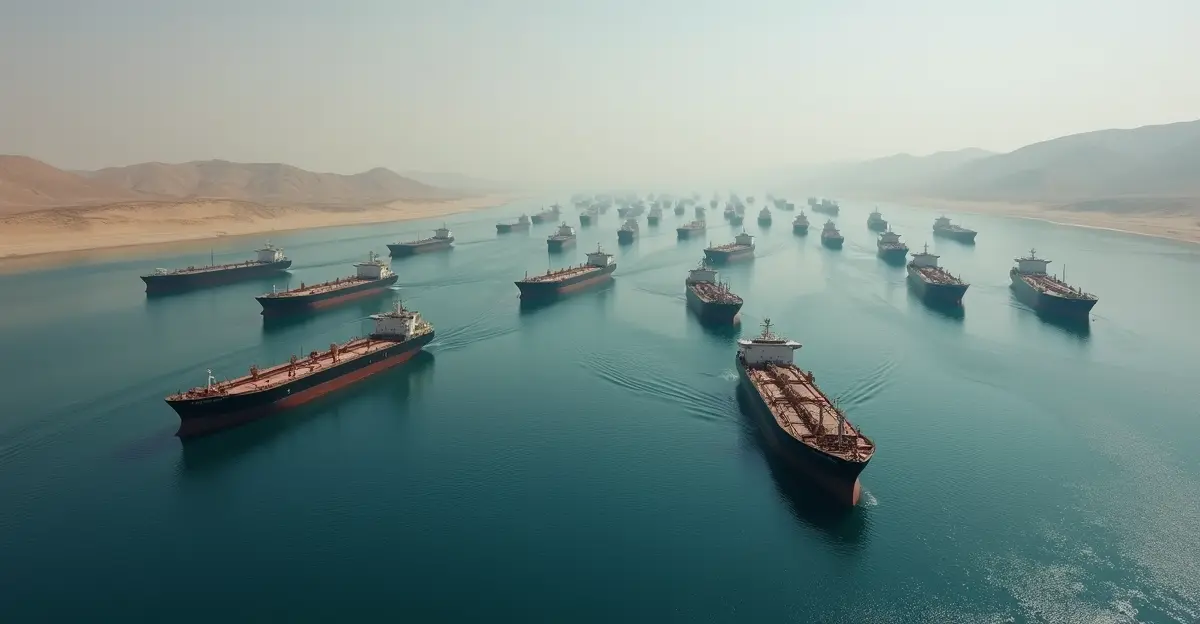
The immediate trigger for this emergency action is the blockade of the Strait of Hormuz following US-Israeli strikes on Iran that began in late February 2026. This critical maritime chokepoint normally handles approximately 20% of global oil shipments and 20% of liquefied natural gas (LNG) shipments. Shipping traffic through the strait has plunged by 90%, with over 200 vessels anchored outside rather than attempting transit. "The situation is potentially game-changing," said former IEA oil head Neil Atkinson. "The sky is the limit for prices if this persists."
Impact on Global Oil Markets
Oil prices have experienced extreme volatility, with Brent crude reaching nearly $120 per barrel before falling below $90. This represents a 13% intraday surge at its peak. The crisis has created powerful arguments for accelerating renewable energy adoption as the war shakes the global energy system. Similar to the 2022 Russia-Ukraine energy crisis, this disruption demonstrates how concentrated global oil infrastructure creates systemic vulnerabilities.
Record-Breaking Reserve Release Details
The 400 million barrel release marks the sixth time in IEA history that strategic reserves have been tapped and represents more than triple the amount released during the 2022 Ukraine crisis (128 million barrels). Here's how the release breaks down:
- Total Release: 400 million barrels (equivalent to 4 days of global consumption)
- Netherlands Contribution: Over 5 million barrels
- Total IEA Reserves: 1.8 billion barrels (1.2 billion government-controlled, 600 million commercial)
- Previous Largest Release: 182 million barrels after Russia's 2022 Ukraine invasion
Gertjan ten Broeke, director of COVA which manages Dutch reserves, commented: "The fact that we have strategic oil reserves is a good thing, especially when they're deployed. This should calm oil markets." However, he cautioned about price predictability: "There's a lot of sentiment in oil prices. How long will the crisis last? That's extremely difficult to predict."
Historical Context of IEA Reserve Releases
The IEA was founded in 1974 specifically in response to the 1973 oil crisis, when OPEC countries imposed an oil embargo on nations supporting Israel during the Yom Kippur War. This latest action follows previous coordinated releases:
| Year | Event | Barrels Released |
|---|---|---|
| 1991 | Gulf War | Not specified |
| 2005 | Hurricanes Katrina & Rita | Not specified |
| 2011 | Libyan Civil War | 60 million |
| 2022 | Russia-Ukraine War | 128 million |
| 2026 | Iran War/Hormuz Blockade | 400 million |
Economic Implications and Market Response
The release aims to prevent the kind of economic damage that typically follows oil price spikes. High oil prices directly impact consumers through higher fuel costs and indirectly through increased production costs that get passed along in higher prices for goods and services. Unlike normal commodity price fluctuations, strategic reserve releases specifically target supply disruptions caused by geopolitical events.
Analysts from Rystad Energy project that Brent crude could reach $135 per barrel if the Strait of Hormuz remains closed for four months. The IEA action represents a preemptive strike against such scenarios. Japan has already announced it will release its own stockpiles as early as next week, while other G7 nations are coordinating their responses.
Long-Term Energy Security Considerations
This crisis highlights the ongoing vulnerability of global energy systems to geopolitical shocks. While strategic reserves provide short-term relief, they don't address fundamental supply chain vulnerabilities. The concentration of oil infrastructure in politically unstable regions creates systemic risks that affect global economic stability. Experts suggest that this event may accelerate investments in renewable energy infrastructure and diversification of energy sources.
Frequently Asked Questions
How much oil is being released from strategic reserves?
A record 400 million barrels are being released from IEA member countries' strategic petroleum reserves, with the Netherlands contributing over 5 million barrels.
Why is the Strait of Hormuz so important?
The Strait of Hormuz handles approximately 20% of global oil shipments and 20% of LNG shipments, making it the world's most important oil transit chokepoint. Its closure disrupts supplies from major producers including Saudi Arabia, Iraq, Kuwait, UAE, Qatar, Bahrain, and Iran.
How long will the oil release affect prices?
While the immediate release should provide short-term price relief, long-term effects depend on how quickly the Strait of Hormuz reopens and whether additional supply disruptions occur. Historical precedent suggests coordinated releases can stabilize markets for several months.
What are strategic petroleum reserves?
Strategic petroleum reserves are government-controlled emergency stockpiles of crude oil maintained to protect national economies during supply disruptions. IEA members must maintain reserves equivalent to 90 days of net oil imports.
How does this compare to previous reserve releases?
This 400 million barrel release is more than triple the 128 million barrels released during the 2022 Ukraine crisis and represents the largest coordinated action in IEA history since its founding in 1974.
Follow Discussion