


 Deutsch
 English
 Español
 Français
 Nederlands
 Português


 Share
Share




What is Causing Wall Street's Recent Losses?
Wall Street experienced predominantly negative trading on March 12, 2026, with major indices closing mixed as escalating tensions in the Middle East sent oil prices soaring and rattled investor confidence. The Dow Jones Industrial Average fell 0.6% to 47,417.27 points, while the S&P 500 declined 0.1% to 6,775.8 points. Only the tech-heavy Nasdaq Composite managed a slight gain of 0.1%, closing at 22,716.14 points. This market volatility stems directly from the ongoing Iran conflict and its dramatic impact on global energy markets, particularly through the strategic Strait of Hormuz where approximately 20% of globally traded oil normally flows.
The Iran Conflict and Energy Market Disruption
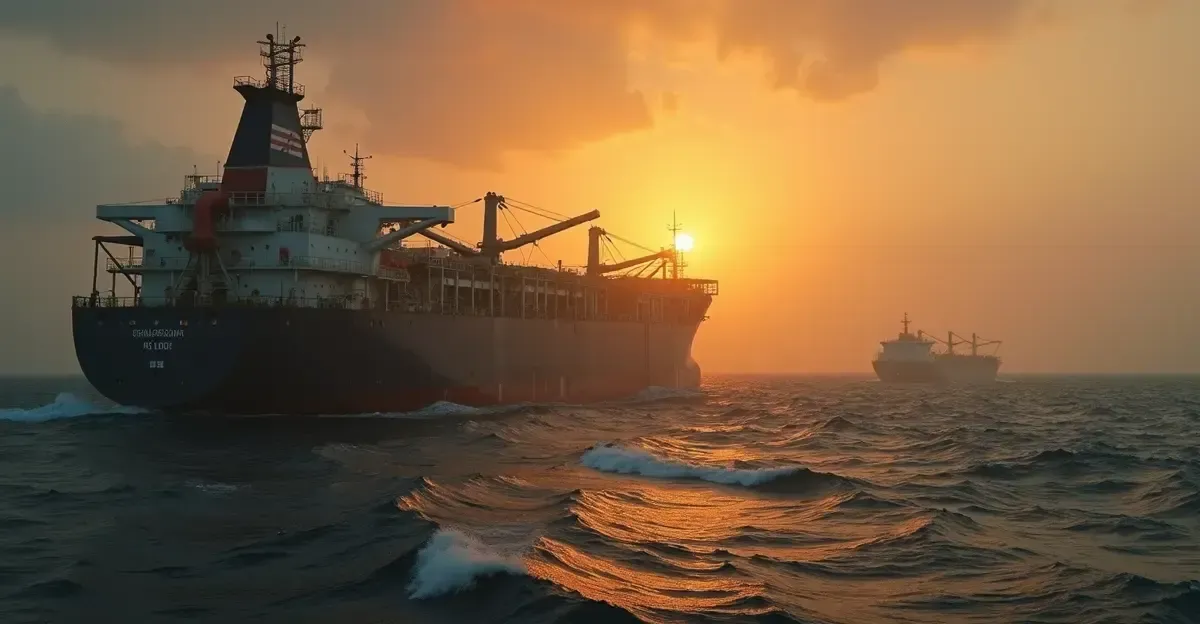
The current market turbulence originates from the February 28, 2026, joint U.S.-Israeli military strikes on Iran, which resulted in the death of Supreme Leader Ali Khamenei. In retaliation, Iran's Islamic Revolutionary Guard Corps has effectively closed the Strait of Hormuz to commercial shipping, creating the largest disruption to global energy supplies since the 1970s oil crises. This 21-mile wide passage between Iran and Oman typically handles about 20 million barrels of oil daily, representing roughly 25% of global seaborne oil trade.
The closure has immediate consequences: Brent crude oil surged 5% to $92.16 per barrel, while U.S. West Texas Intermediate crude jumped 5.2% to $87.76 per barrel at the close of New York trading. 'This represents the most significant energy supply disruption in decades,' noted energy analyst Mark Richardson. 'Investors are rightly concerned about inflationary pressures as higher energy costs ripple through the global economy.'
International Response and Strategic Reserves
In response to the crisis, the International Energy Agency (IEA) announced an unprecedented release of 400 million barrels from strategic petroleum reserves – the largest coordinated stock release in the organization's 52-year history. This emergency action by the IEA's 32 member countries aims to stabilize markets, but initial market reactions suggest the release may not fully offset the supply disruption.
The situation has drawn comparisons to previous global energy crises, though experts note the current geopolitical complexity exceeds historical precedents. 'Even this massive reserve release represents just 20 days of U.S. oil consumption,' explained energy economist Dr. Sarah Chen. 'The fundamental issue remains the physical blockade of a critical shipping lane that cannot be easily circumvented.'
Sable Offshore's Dramatic Surge
Amid the energy crisis, one company experienced extraordinary gains. Sable Offshore saw its stock surge over 15% after Bloomberg reported that the Trump administration is considering using a Cold War-era emergency law to allow the company to resume oil production off the California coast. The potential invocation of the Defense Production Act would bypass California's environmental regulations and enable Sable to restart operations that have been stalled since a 2015 pipeline spill released 142,000 gallons of oil.
The stock's dramatic rise triggered a temporary trading halt, highlighting how specific energy companies can benefit from geopolitical crises. This development represents a significant test of federal versus state authority in energy policy, with California Governor Gavin Newsom calling the potential move 'lawless' and noting that Sable's production would contribute only 0.05% to national crude output.
Healthcare Sector Shows Resilience
While energy and broader markets struggled, the healthcare sector demonstrated notable strength. Telehealth company Hims & Hers Health continued its recent rally, gaining over 10% following news of a partnership with pharmaceutical giant Novo Nordisk to provide affordable weight loss medications. This represents a significant turnaround for the company, which faced potential legal action from Novo Nordisk in 2025 over allegations of selling unauthorized versions of popular weight loss drugs.
The partnership signals how healthcare innovation continues to attract investor interest even during broader market uncertainty. Hims & Hers, which went public in 2020 via SPAC merger with a $1.6 billion valuation, has expanded from its original focus on men's health to become a comprehensive telehealth platform serving both men and women across multiple therapeutic areas.
Market Implications and Investor Outlook
The current market environment presents complex challenges for investors. The simultaneous pressures of geopolitical instability, energy supply disruptions, and potential inflationary consequences create what some analysts describe as a 'perfect storm' for financial markets. The Federal Reserve now faces additional complications in its inflation management strategy, as energy price spikes could force reconsideration of interest rate policies.
Historical analysis suggests that prolonged closure of the Strait of Hormuz could push oil prices toward $100 per barrel, with some analysts predicting peaks as high as $126 per barrel. This would have cascading effects on global economies, particularly import-dependent nations like India, the European Union, and East Asian countries that rely heavily on Middle Eastern oil shipments.
Frequently Asked Questions
Why did Wall Street close with losses on March 12, 2026?
Wall Street closed with mixed results but predominantly negative performance due to escalating tensions in the Middle East that caused oil prices to surge 5%. The Dow fell 0.6%, the S&P 500 declined 0.1%, while the Nasdaq gained 0.1%.
What is the Strait of Hormuz and why is it important?
The Strait of Hormuz is a 21-mile wide passage between Iran and Oman that handles approximately 20 million barrels of oil daily, representing about 20% of global oil supply and 25% of seaborne oil trade. Its closure represents the largest energy supply disruption since the 1970s.
How is the International Energy Agency responding?
The IEA announced the largest-ever coordinated release of strategic petroleum reserves – 400 million barrels from its 32 member countries. This unprecedented action aims to stabilize global oil markets amid the supply disruption.
Why did Sable Offshore stock surge 15%?
Sable Offshore stock surged after reports that the Trump administration might use a Cold War-era emergency law to allow the company to resume California offshore oil production, bypassing state environmental regulations.
What are the broader economic implications?
The energy crisis could push oil toward $100 per barrel, create inflationary pressures globally, complicate Federal Reserve policy, and disproportionately affect oil-importing nations, potentially triggering broader economic consequences.





Follow Discussion