


 Deutsch
 English
 Español
 Français
 Nederlands
 Português


 Share
Share




What is the Strait of Hormuz Crisis?
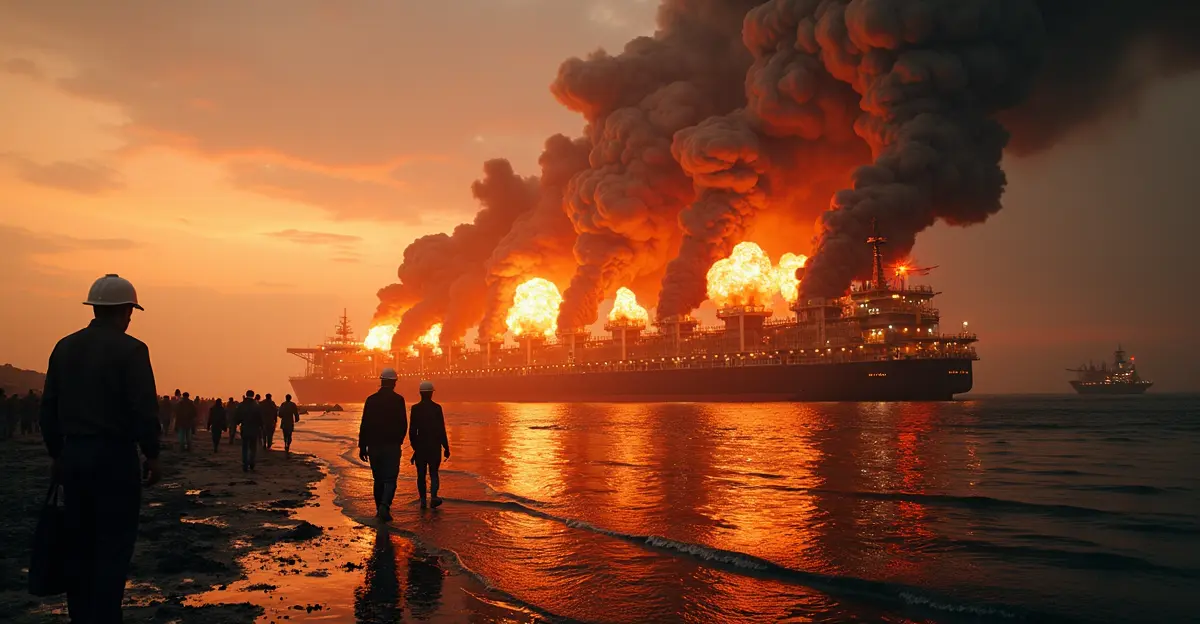
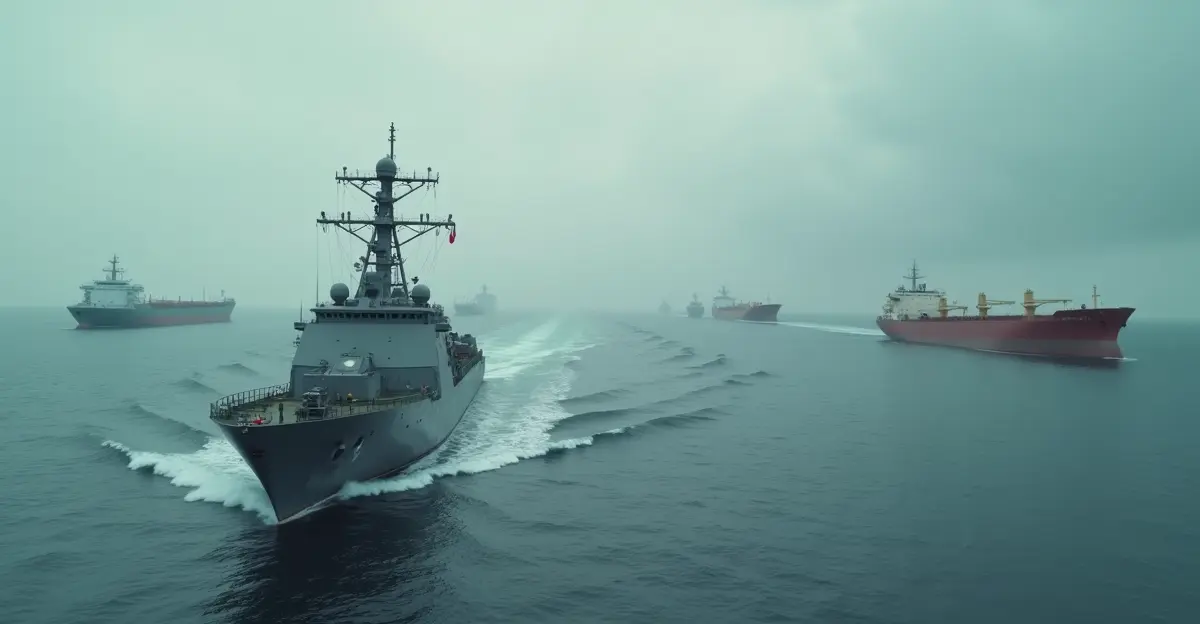
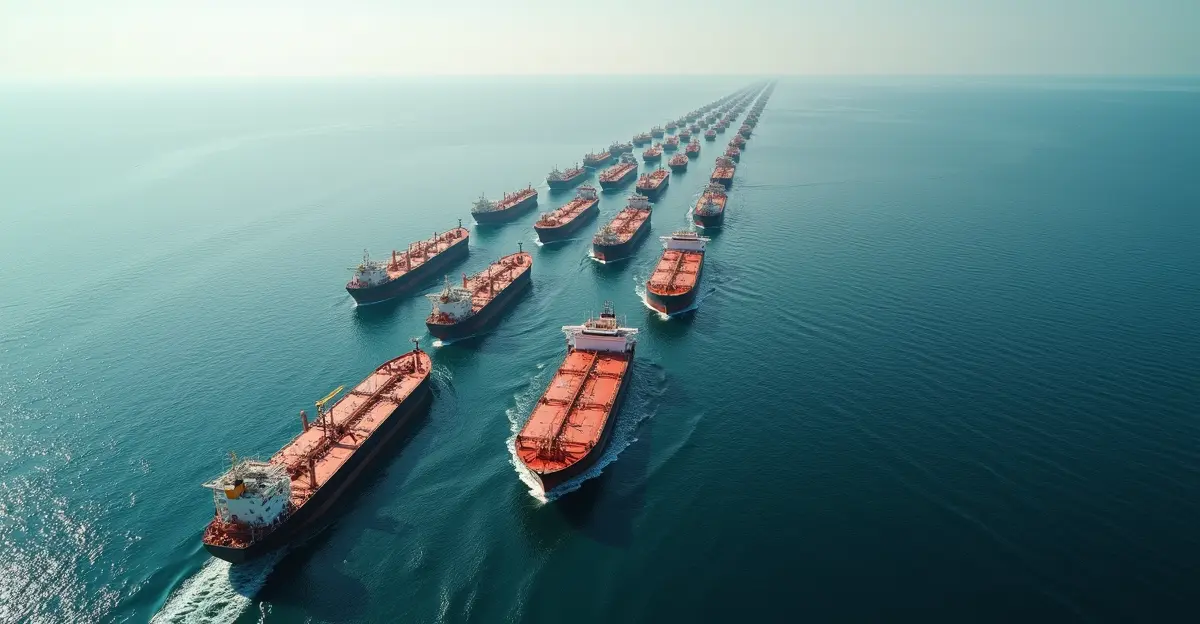
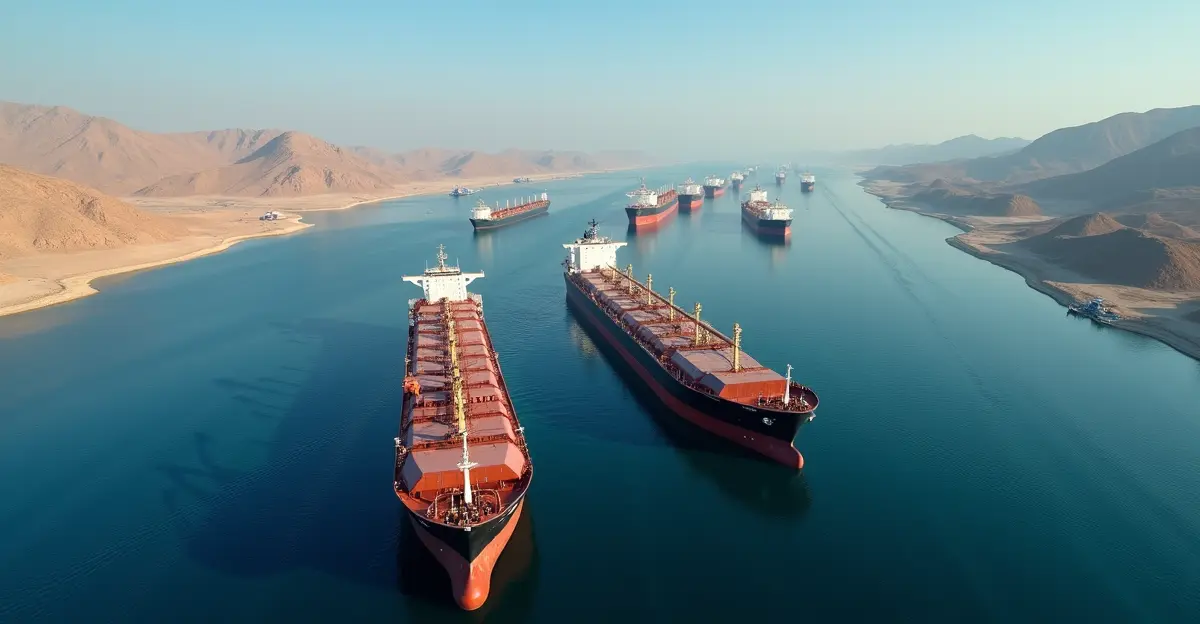
The Strait of Hormuz, a narrow waterway between the Persian Gulf and the Gulf of Oman, has become the epicenter of global energy market tensions in 2026. This critical chokepoint handles approximately 20-30% of global oil shipments and 20% of liquefied natural gas (LNG) trade, making it one of the world's most strategically important maritime passages. Despite renewed tensions and periodic closures in early 2026, financial markets have shown remarkable resilience, with oil and gas prices experiencing only moderate volatility compared to previous energy crises.
Market Reaction Analysis: Why the Calm?
Financial markets are responding with surprising calm to the latest Straat van Hormuz tensions, according to BNR's house economist Han de Jong. 'It seems that players in financial markets assume that negotiations will resume and that ultimately that strait will open again,' says De Jong. This market psychology explains why reactions remain relatively limited despite escalating geopolitical tensions.
Key Factors Behind Market Stability
Several factors contribute to the restrained market response:
- Market Experience: Investors have learned from previous energy crises and are pricing in temporary disruptions rather than permanent supply shocks
- Strategic Reserves: Many countries have built up significant petroleum reserves since the 2022 energy crisis
- Alternative Routes: While limited, some rerouting options exist for energy shipments
- Demand Elasticity: Higher prices naturally reduce consumption, creating a self-correcting mechanism
Oil Price Forecasts: Realistic Scenarios
While some analyses from the Central Planning Bureau suggest scenarios where oil prices could reach $160 per barrel, De Jong offers more conservative projections. 'If you look at the oil price, you can estimate quite well how high it can go,' he explains. The starting point is how much oil comes off the world market due to the closure of the Strait of Hormuz, combined with known price sensitivity of oil demand.
De Jong calculates: 'According to me, I really don't get much higher than $120 per barrel.' This means the much higher price of $160 is only achievable if the conflict escalates further. 'Then additional production capacity must also be lost. Everything is possible, of course, but it seems very unlikely to me.'
Comparison Table: Current Crisis vs. Ukraine War Impact
| Aspect | Ukraine War (2022) | Hormuz Crisis (2026) |
|---|---|---|
| Gas Price Peak | €350 per MWh | €40 per MWh |
| Market Disruption | 35% of EU gas supply | 5% of global LNG trade |
| Primary Impact Region | Europe | Asia (80% of affected oil) |
| Alternative Options | Limited LNG imports | Coal switching in Asia |
Global Economic Implications
The Dallas Federal Reserve research indicates that a one-quarter closure of the Strait of Hormuz would raise West Texas Intermediate oil prices to $98 per barrel and reduce global real GDP growth by 2.9 percentage points annually. However, the current market calm suggests investors believe any closure will be temporary. The global energy transition policies are also playing a role in moderating market reactions, as renewable energy adoption reduces long-term oil dependency.
Asian markets, which receive 80% of Persian Gulf oil exports, face the greatest vulnerability. India maintains only 20-25 days of oil inventory cover, creating potential supply chain vulnerabilities. However, many Asian countries can relatively easily switch from gas to coal for electricity generation, providing a buffer against extreme price spikes.
Expert Insights: Market Psychology Explained
Han de Jong notes that market movements are primarily a sum of recent developments. Exchanges process both relaxation signals, such as the opening of the Strait of Hormuz last Friday, and new tensions from renewed closures reported on Saturday. 'That small plus shows that market parties ultimately see both events together as a slightly positive development.'
The current situation differs significantly from the gas crisis during the Ukraine war, where Europe's 35% dependence on Russian gas created extreme vulnerability. Today's disruptions affect a much smaller portion of the market—just 5%—and the global distribution of LNG means Middle Eastern exports primarily serve Asia, where demand is more price-sensitive.
Future Outlook and Risk Assessment
According to U.S. Energy Information Administration projections, the Strait of Hormuz closure has forced major oil producers including Iraq, Saudi Arabia, Kuwait, UAE, Qatar, and Bahrain to collectively shut in 7.5 million barrels per day of crude oil production in March 2026. Brent crude oil prices averaged $103 per barrel in March, with expectations to peak at $115 in Q2 2026 before gradually declining.
The geopolitical risk assessment frameworks used by institutional investors suggest that while immediate risks are contained, longer-term structural changes are underway. Energy security concerns are accelerating investments in alternative infrastructure and supply chain resilience. Major energy companies like Cheniere Energy and ExxonMobil stand to benefit from these shifts, while Asian importers like Sinopec and Korea Gas face increased vulnerability.
FAQ: Strait of Hormuz Market Impact
Why are markets so calm despite Hormuz tensions?
Markets expect temporary disruptions rather than permanent supply shocks, with investors banking on diplomatic resolutions and the strait reopening.
What's the worst-case oil price scenario?
While some analyses suggest $160 per barrel, most experts including Han de Jong believe $120 is a more realistic ceiling without further escalation.
How does this compare to the Ukraine energy crisis?
The current disruption affects only 5% of global LNG trade versus 35% of EU gas supply during the Ukraine war, making price impacts significantly milder.
Which countries are most vulnerable?
Asian importers like China (37.7%) and India (14.7%) face greatest risk, with India having only 20-25 days of oil inventory cover.
Will this accelerate energy transition?
Yes, the crisis is accelerating investments in renewable energy infrastructure and energy security measures globally.


Follow Discussion