


 Deutsch
 English
 Español
 Français
 Nederlands
 Português


 Share
Share




US Naval Blockade Iran Explained: Strait of Hormuz Crisis & Global Impact
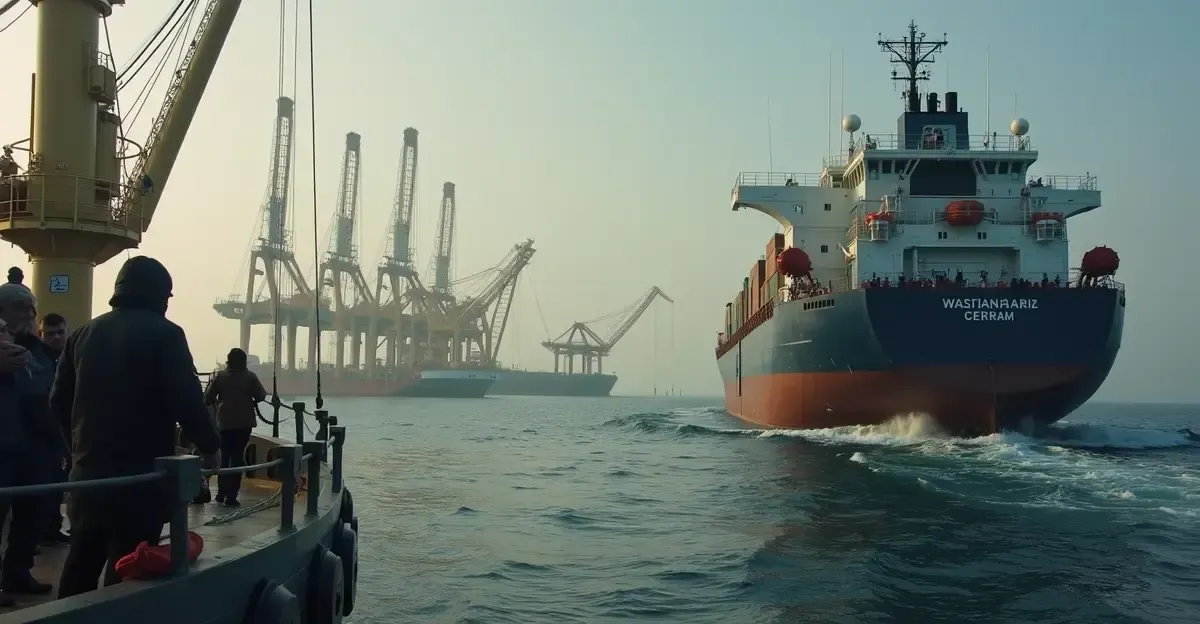
The United States has implemented a naval blockade of Iranian ports and coastal areas, marking a significant escalation in the ongoing conflict between the two nations. The blockade, which went into effect at 16:00 Dutch time (10:00 ET) on April 13, 2026, immediately impacted global shipping in the strategically vital Strait of Hormuz, with at least two oil tankers reversing course shortly after implementation.
What is the US Naval Blockade of Iran?
The US naval blockade represents a comprehensive maritime interdiction operation targeting all vessels entering or exiting Iranian ports. President Donald Trump announced the blockade following failed peace negotiations between the US and Iran in Islamabad, Pakistan. The blockade specifically targets the Strait of Hormuz shipping crisis, a critical global chokepoint through which approximately 20% of the world's oil supply traditionally passes. According to US Central Command (CENTCOM), the blockade aims to prevent Iranian oil shipments while allowing non-Iranian port traffic to continue through the strait.
Immediate Impact on Global Shipping
Within hours of the blockade taking effect, tracking data from MarineTraffic revealed significant disruptions to maritime traffic. Two oil tankers – the 188-meter Rich Starry and the 175-meter Ostria – reversed course near the Strait of Hormuz. Both vessels had departed from the United Arab Emirates and were not originating from Iranian ports, suggesting the blockade's psychological and precautionary impact extends beyond its stated targets.
'At least two tankers reversed course near the Strait of Hormuz shortly after the start of the US blockade, highlighting the immediate impact on vessel movements,' reported MarineTraffic on social media.
Key Developments Since Implementation
- Two Tankers Reverse Course: The Rich Starry (bound for China) and Ostria both turned back despite not originating from Iranian ports
- One Vessel Proceeds: A single oil tanker flying the Comoros flag successfully passed through the strait after departing from Bushehr, Iran
- Iranian Response: Iranian military officials condemned the blockade as 'piracy' and warned that 'no port in the region will be safe'
- US Warning: President Trump threatened to destroy any Iranian naval vessels approaching the blockade zone
Strategic Importance of the Strait of Hormuz
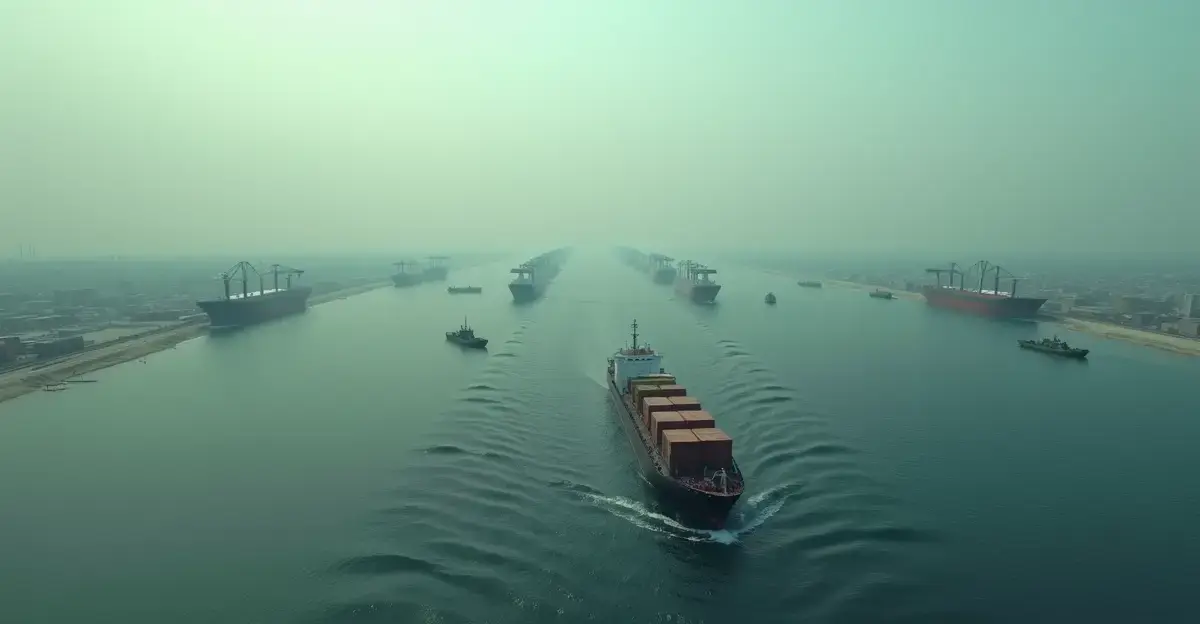
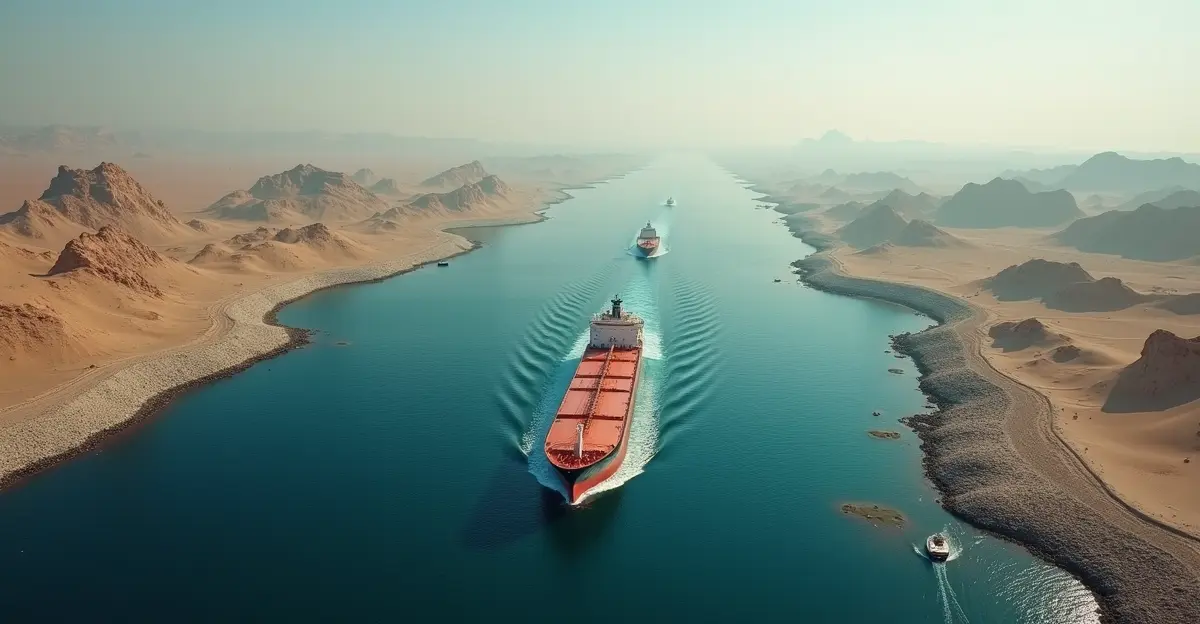
The Strait of Hormuz is one of the world's most critical maritime chokepoints, connecting the Persian Gulf to the Gulf of Oman and open ocean. According to UNCTAD analysis, the waterway handles approximately 20% of global oil trade and 25% of seaborne liquefied natural gas (LNG) annually. The 104-mile-long strait varies in width from 24 to 60 miles, with navigation following a Traffic Separation Scheme to prevent collisions.
The current blockade follows a two-week ceasefire that began in early April, during which Iran had effectively closed the strait since the conflict began in late February. The global energy crisis implications are substantial, with oil prices already surging above $100 per barrel in anticipation of the blockade.
Economic Impact Analysis
Research from the Federal Reserve Bank of Dallas indicates the Strait of Hormuz closure represents a geopolitical oil supply disruption three to five times larger than previous shocks in 1973, 1979, and 1990. Their model predicts:
| Impact Metric | Projected Effect |
|---|---|
| Oil Price Increase | $98-132 per barrel |
| Global GDP Reduction | 2.9 percentage points in Q2 2026 |
| Most Affected Economies | Asian nations (80% of Persian Gulf oil exports) |
| Recovery Timeline | GDP below pre-closure levels through 2027 |
Broader Implications for Global Trade
Beyond oil, the Strait of Hormuz crisis disrupts nine key non-oil commodities critical to global manufacturing and the green energy transition. According to World Economic Forum analysis, the region supplies 20% of global seaborne fertilizers, with 46% of urea exports originating there. This threatens food production in India, Brazil, and China. Other affected commodities include:
- Sulfur: Critical for battery chemistry and fertilizers
- Methanol: Essential for China's plastics and chemical industries
- Graphite: Feedstocks for electric vehicle batteries
- Helium: One-third of global production from Qatar
- Aluminium: 9% of global supply
The blockade amplifies existing shipping disruptions, with approximately 3,200 vessels already stranded due to previous conflict-related closures. Insurance premiums for vessels transiting the region have skyrocketed, creating additional economic pressure on global supply chains.
International Reactions and Diplomatic Context
The blockade announcement has drawn mixed international responses. China, which imports significant quantities of Iranian oil, has expressed opposition to blocking the strait. Meanwhile, Israel continues ground operations in Lebanon against Iran-backed Hezbollah, which has rejected US-mediated talks. Pope Leo XIV has criticized the conflict, prompting Trump to call the pontiff 'weak on crime,' while Iran's President condemned Trump's comments about the Pope.
Mediators continue pushing for renewed US-Iran talks before the ceasefire expires to prevent resumption of attacks. The situation remains fluid, with military analysts warning that Iran is unlikely to capitulate and that the blockade could harm the global economy more than Iran itself.
FAQ: US Naval Blockade of Iran
What is the US naval blockade of Iran?
The US naval blockade is a maritime interdiction operation targeting all vessels entering or exiting Iranian ports, implemented on April 13, 2026, following failed peace negotiations.
Why is the Strait of Hormuz important?
The Strait of Hormuz handles approximately 20% of global oil trade and 25% of seaborne LNG annually, making it one of the world's most critical maritime chokepoints.
How has the blockade affected oil prices?
Oil prices have surged above $100 per barrel, with projections suggesting they could reach $132 per barrel if the blockade persists, representing the largest geopolitical oil shock in decades.
What vessels have been affected?
At least two oil tankers reversed course near the Strait of Hormuz immediately after the blockade began, while approximately 3,200 vessels remain stranded due to previous disruptions.
What are the global economic impacts?
The blockade could reduce global GDP growth by 2.9 percentage points in Q2 2026, with Asian economies most affected and recovery potentially taking through 2027.

Follow Discussion