


 Deutsch
 English
 Español
 Français
 Nederlands
 Português


 Share
Share




What is the Strait of Hormuz Crisis?
The 2026 Strait of Hormuz crisis represents one of the most significant geopolitical flashpoints in recent history, with Iran beginning to deploy sea mines in the strategic waterway that handles approximately 20% of global oil shipments. According to intelligence reports from CNN, Iran has placed dozens of mines in the strait and could potentially deploy hundreds more, creating an immediate threat to global shipping and energy security. The crisis began on February 28, 2026, following joint US-Israeli military strikes on Iran, and has escalated dramatically with President Donald Trump threatening 'consequences at a level never seen before' if the mines are not immediately removed.
Background: Why This Waterway Matters
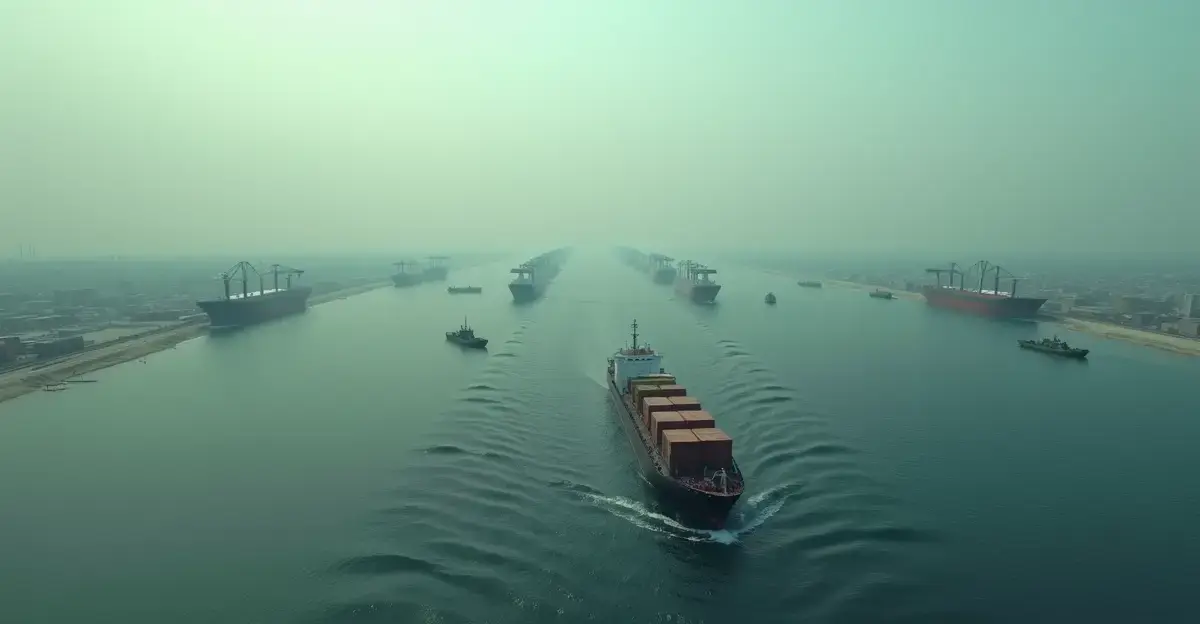
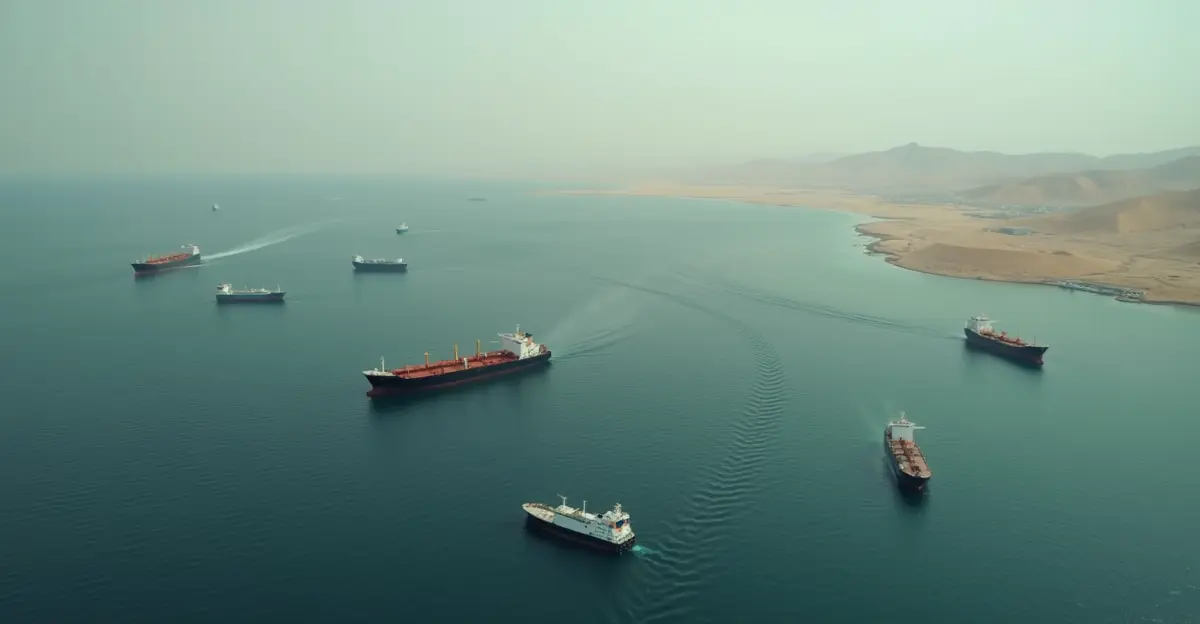
The Strait of Hormuz is a 104-mile-long maritime chokepoint between the Persian Gulf and the Gulf of Oman, serving as the only sea passage for oil exports from major producers including Saudi Arabia, Iraq, Kuwait, UAE, Qatar, Bahrain, and Iran itself. Normally handling 20 million barrels of oil daily (one-fifth of global consumption) and 20% of global LNG shipments, the waterway's strategic importance cannot be overstated. The current crisis has caused shipping traffic to plummet by 90%, with tanker traffic dropping to near zero as shipping companies like Maersk and Hapag-Lloyd suspend Middle East routes. This disruption comes amid broader tensions similar to the 2024 Red Sea shipping crisis that affected global trade routes.
The Mine Threat: Types and Dangers
What Types of Mines is Iran Deploying?
While the exact types of mines remain unclear, naval experts warn they represent extreme danger to commercial shipping. Captain Roy de Ruiter, a maritime strategy expert at the Dutch Defense Academy, explains: 'A mine can cause significant damage to a ship and even sink it. These weapons are already difficult to detect and often drift, making their location uncertain. Fishermen in the North Sea still find mines from World War II.' Iran maintains an estimated 6,000 naval mines that could be deployed in the narrow 33-kilometer waterway, creating long-term hazards even after immediate conflicts subside.
Immediate Military Response
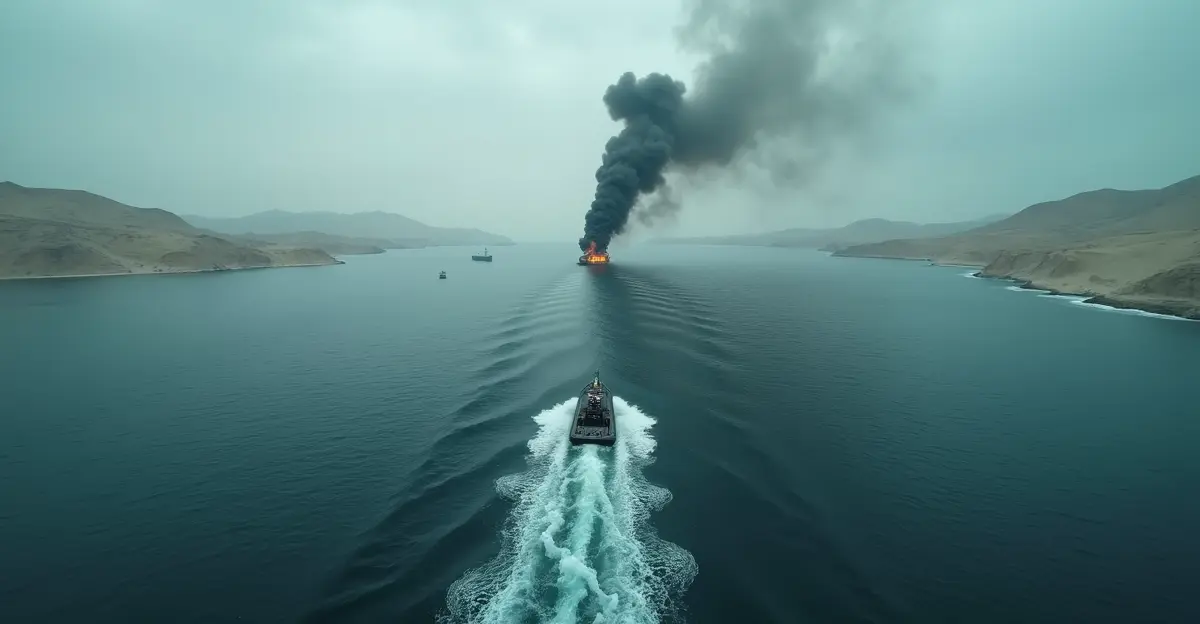
The United States military has already taken decisive action, destroying 16 Iranian mine-laying vessels in nighttime strikes on Tuesday and bombing multiple mine storage facilities. US Defense Secretary Pete Hegseth stated on X: 'We will not allow terrorists to hold the Strait of Hormuz hostage. CENTCOM has neutralized mine-layers.' This military response follows a pattern seen in other Middle East maritime conflicts where naval power projection has been crucial.
Economic Impact and Global Consequences
Oil Prices and Energy Markets
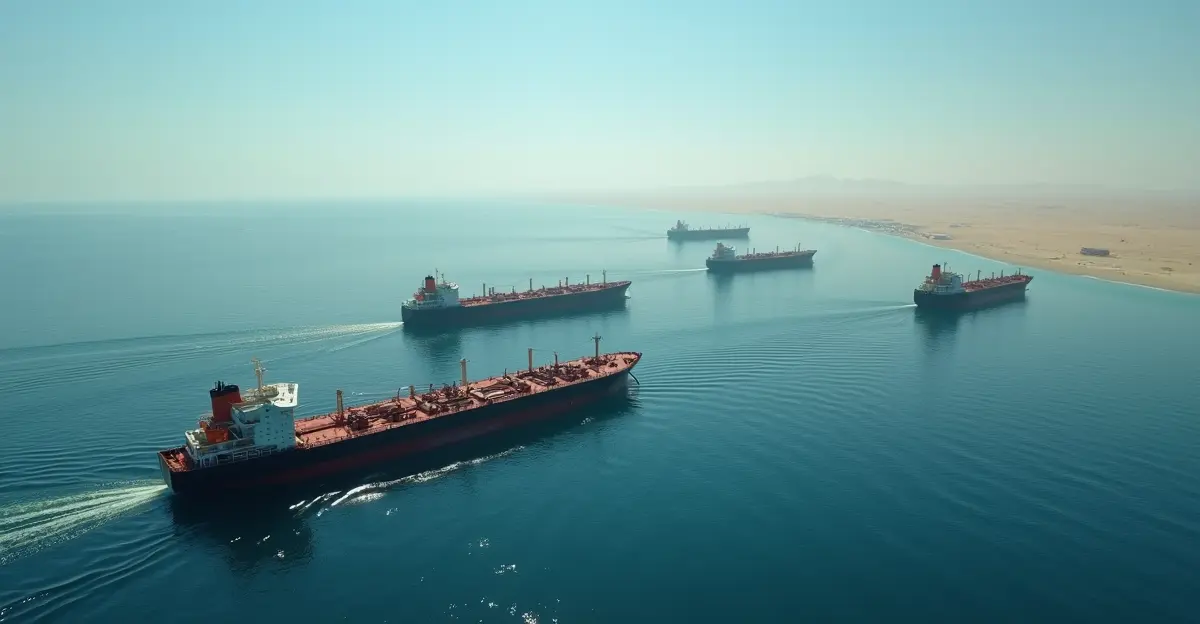
The crisis has sent Brent crude prices soaring above $100 per barrel for the first time in four years, briefly reaching $126 per barrel. The International Energy Agency has responded with its largest-ever oil reserve release - 400 million barrels - to counter price spikes. Saudi Aramco is rerouting tankers and using its pipeline infrastructure to bypass the strait, but capacity limitations mean only 35-40% of normal volumes can be transported through alternative routes.
Shipping and Insurance Crisis
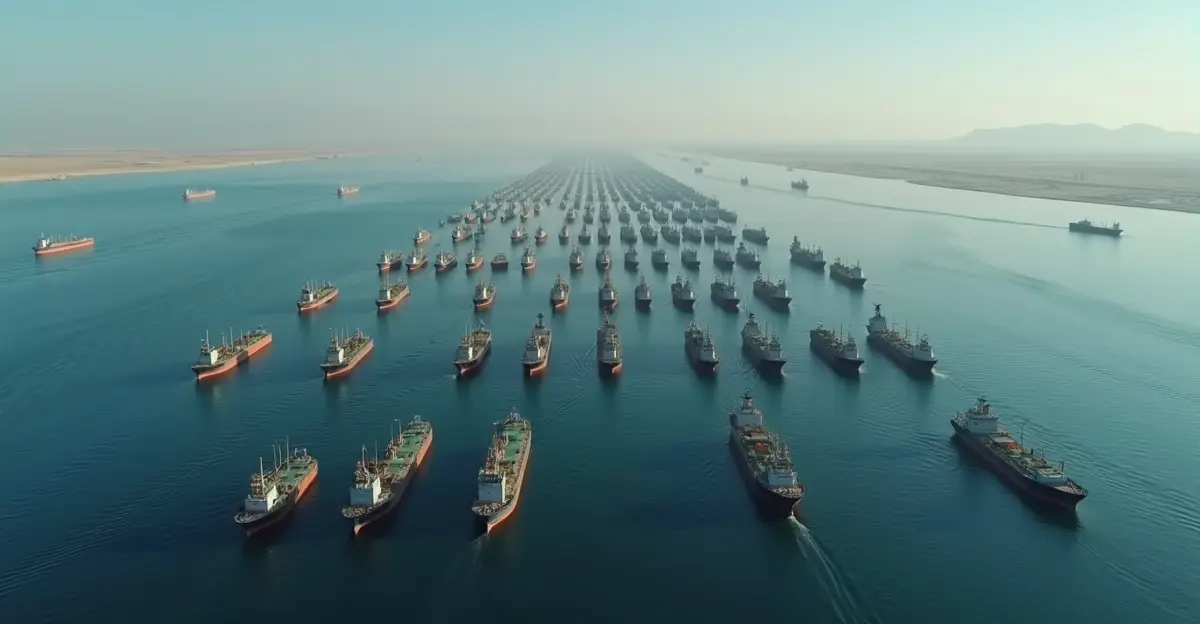
Maritime insurance premiums for war coverage have surged by over 1000% in some cases, jumping from approximately 0.25% of vessel value to 3%. For a $200 million tanker, this means premiums have skyrocketed from $500,000 to $6 million. Insurance companies have withdrawn coverage, and shipping companies face impossible decisions about whether to risk passage through the mined waters. The situation has created concentrated risk with approximately 1,000 vessels worth over $25 billion currently stranded in the Persian Gulf region.
Broader Supply Chain Disruptions
Beyond oil, the strait handles approximately 21% of unwrought aluminum imports and 13% of wrought aluminum imports to the Middle East, impacting automotive, aerospace, and construction manufacturing. One-third of global fertilizer trade transits the strait, threatening food inflation during critical spring planting seasons. Other vulnerable supply chains include petrochemicals, plastics, rubber, electronics, batteries, pharmaceuticals, and sugar. Supply chain experts warn that disruptions could hit consumer prices within 2-5 weeks.
Political Standoff: Trump vs. Iran
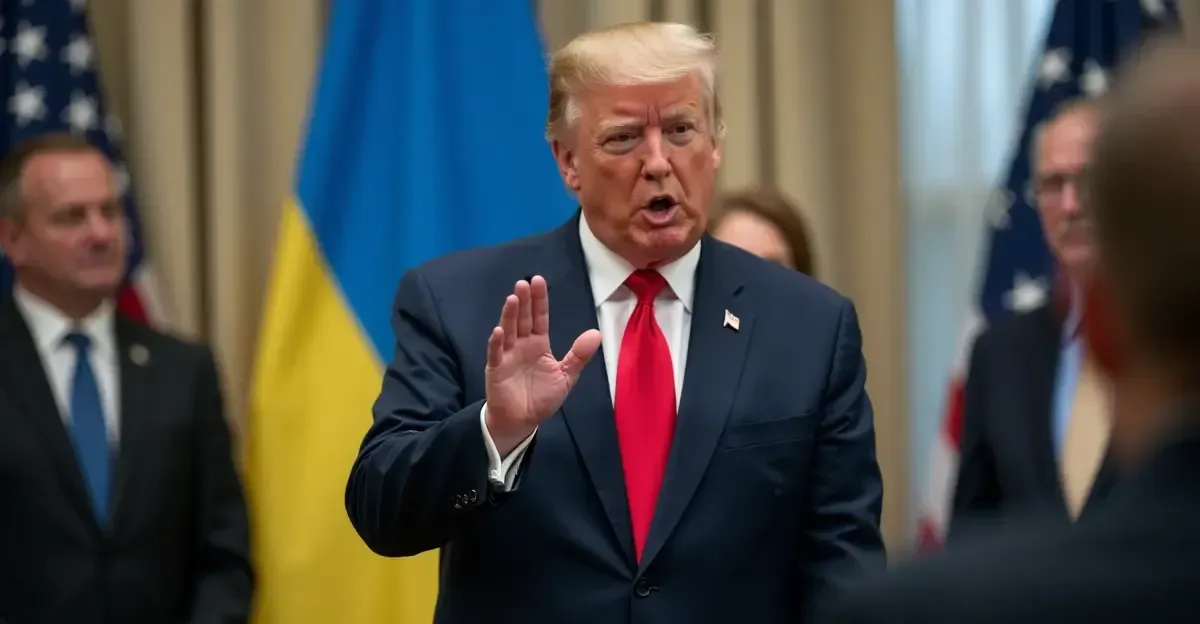
President Donald Trump's response has been characteristically direct and confrontational. In a Truth Social post, he warned: 'Iran will face consequences at a level never seen before if these mines are not immediately removed.' Iranian officials have responded defiantly, with security official Ali Larijani dismissing Trump's warnings as 'empty threats' and warning the U.S. to 'be careful not to get eliminated yourself.' The Iranian Revolutionary Guard has stated it will not allow 'one litre of oil' to leave if attacks continue, effectively declaring the waterway closed to shipping.
Long-Term Implications for Global Trade
The presence of sea mines creates lasting uncertainty for maritime navigation. Even if immediate military action clears some mines, the weapons' tendency to drift and their difficulty of detection means the strait could remain hazardous for years. This situation mirrors historical precedents where naval mine warfare created long-term shipping hazards. The crisis also highlights America's vulnerability in mine warfare capabilities, with the U.S. Navy's aging Avenger-class ships being retired without proven replacements and new systems showing operational availability of just 29%.
FAQ: Strait of Hormuz Crisis Explained
How much oil normally passes through the Strait of Hormuz?
Approximately 20 million barrels of oil daily, representing 20% of global oil consumption and 25% of seaborne oil trade.
What happens if the strait remains closed?
Sustained closure would strain strategic petroleum reserves, require extensive naval escort operations, and could cause global recession with Asian economies (84% of Hormuz oil flows) being particularly vulnerable.
How dangerous are sea mines to shipping?
Extremely dangerous. Mines can sink ships, are difficult to detect, often drift from their original positions, and can remain active for decades, as evidenced by World War II mines still being found today.
What is the US military doing about the mines?
The US has destroyed 16 Iranian mine-laying vessels and bombed multiple mine storage facilities. CENTCOM continues operations to neutralize threats in the region.
How are insurance companies responding?
War risk insurance premiums have surged from 0.25% to 3% of vessel value, with many insurers withdrawing coverage entirely for vessels attempting to transit the strait.
Follow Discussion