


 Deutsch
 English
 Español
 Français
 Nederlands
 Português


 Share
Share




Iranian Forces Intercept Commercial Tanker in Critical Waterway
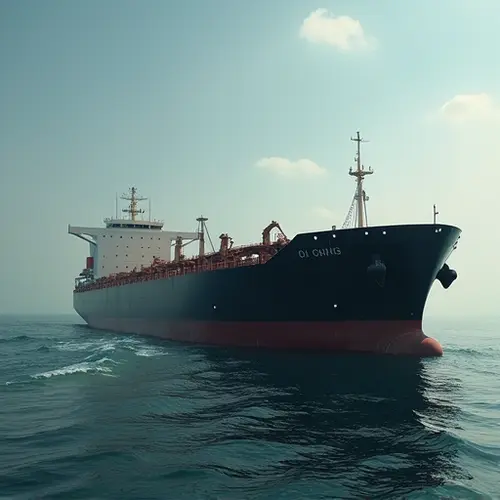
Iran's Revolutionary Guard Corps has seized the Marshall Islands-flagged oil tanker Talara in the strategically vital Strait of Hormuz, marking the first such interdiction in over a year. The incident occurred on Friday morning when Iranian forces intercepted the vessel approximately 20 nautical miles from the coast of the United Arab Emirates and redirected it toward Iranian territorial waters.
Details of the Seizure
The Talara, owned by Cyprus-based Columbia Shipmanagement, was en route from Ajman, UAE to Singapore carrying 30,000 tons of petrochemicals including diesel when it was boarded by Iranian forces. According to maritime security firm Ambrey, three small boats were involved in the operation. The U.S. Navy monitored the incident using an MQ-4C Triton drone, confirming the vessel's forced redirection.
'We have lost contact with the vessel and our primary concern is the safety and welfare of our crew,' stated a spokesperson for Columbia Shipmanagement. The company confirmed it is working to restore communications with the tanker.
Strategic Importance of the Strait
The Strait of Hormuz represents one of the world's most critical maritime chokepoints, with approximately 20% of globally traded oil passing through this narrow waterway connecting the Persian Gulf to the Gulf of Oman. The strait is only 21 nautical miles wide at its narrowest point, making it highly vulnerable to disruptions.
According to the Wikipedia entry on the Strait of Hormuz, the waterway handles 25% of seaborne oil trade and 20% of global liquefied natural gas shipments. This strategic importance has made it a focal point of regional tensions for decades.
Iran's Justification and International Response
The Iranian Revolutionary Guard claimed the seizure was conducted 'in accordance with legal duties' under judicial orders, alleging the vessel was transporting 'unauthorized cargo.' However, no specific details about the alleged illegal activities have been provided by Iranian authorities.
This incident follows a pattern of Iranian maritime actions in the region. In April 2024, Iran seized the Portuguese-flagged container ship MSC Aries, and in 2022, two Greek tankers were similarly intercepted. The United States has previously accused Iran of sabotaging four oil tankers in the Strait of Hormuz in 2019.
'This represents a significant escalation in regional tensions and could have implications for global energy security,' noted a security analyst familiar with the situation. The incident comes amid heightened tensions following Iran's 12-day war with Israel in June 2025.
Global Implications
The seizure has raised concerns about potential disruptions to global oil supplies and shipping routes. The Strait of Hormuz's critical role in global energy transportation means any sustained disruption could impact oil prices worldwide. International shipping companies are monitoring the situation closely, with some considering alternative routes despite increased costs and transit times.
The United Kingdom Maritime Trade Operations (UKMTO) and U.S. Central Command are both tracking developments and have emphasized the importance of maintaining freedom of navigation in international waters. The incident underscores the ongoing geopolitical tensions in the Middle East and the vulnerability of global energy supply chains to regional conflicts.
Follow Discussion