


 Deutsch
 English
 Español
 Français
 Nederlands
 Português


 Share





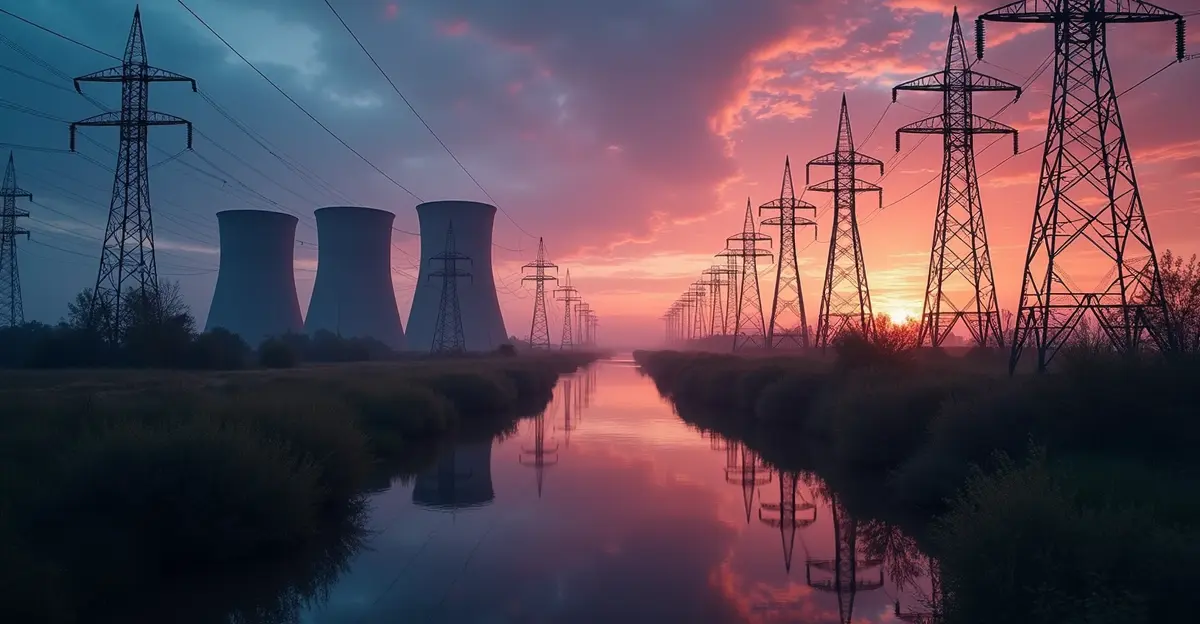
Global AI datacenter power demand surged 17% in 2025 and is on track to nearly double by 2030, according to the International Energy Agency (IEA). The shift marks a historic reversal: for the first time in decades, electricity—not silicon—has become the binding constraint on the digital economy. With grid interconnection queues stretching beyond seven years and transformer lead times hitting 3–5 years, the race to secure power is redrawing the global energy map and creating a new class of strategic winners and losers.
The Bottleneck Shifts from Silicon to Kilowatts
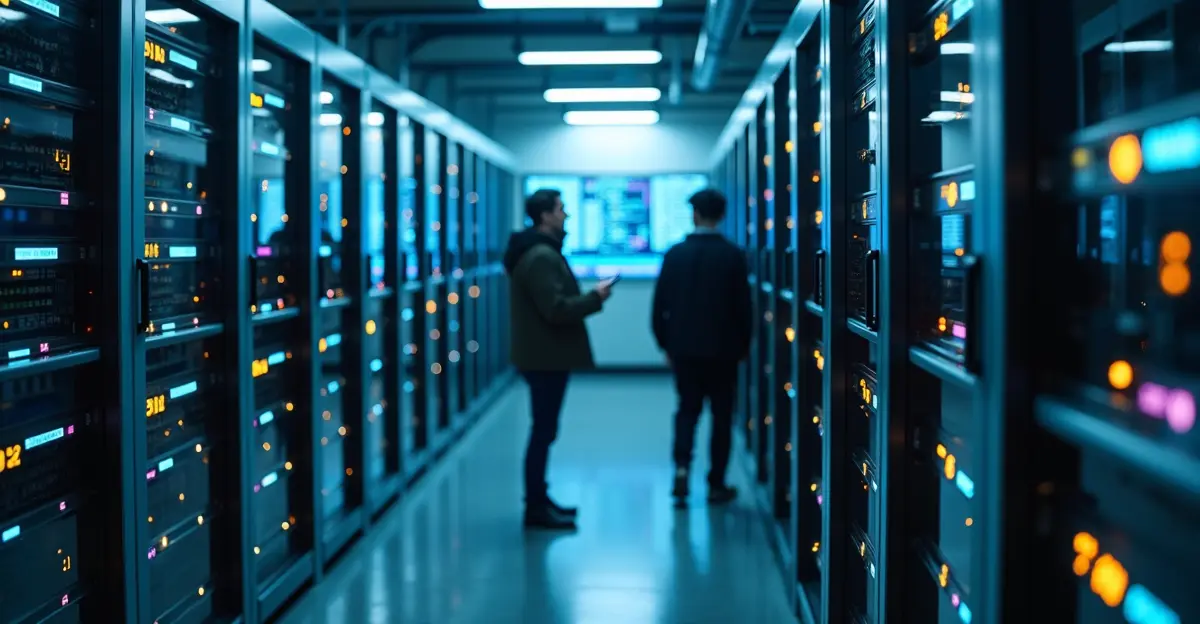
Data centres consumed about 485 TWh of electricity in 2025, roughly 1.5% of global use, and the IEA projects demand will reach nearly 950 TWh by 2030. The United States and China account for nearly 80% of growth, while AI-focused facilities could triple their consumption. Behind the headline numbers lies a physical crisis: median grid interconnection now takes over four years, some utilities tell developers 3–7 years, and large power transformers have lead times of 128 weeks or more. The data center electricity demand crunch has forced hyperscalers to rethink everything.
Nuclear Restarts and Behind-the-Meter Gas
In response, Microsoft, Amazon, Google and Meta have signed contracts for roughly 10 GW of U.S. nuclear capacity, including the $16 billion restart of Three Mile Island Unit 1 for Microsoft and Meta’s portfolio of up to 6.6 GW by 2035. The nuclear power for data centers trend extends to small modular reactors, with conditional offtake agreements rising from 25 GW to 45 GW in 2025. At the same time, about 48 GW—one-third of planned U.S. data center capacity—now includes behind-the-meter gas generation, as developers bypass multi-year grid queues. Google’s 933 MW off-grid gas plant in Texas exemplifies the shift, pairing gas with wind and battery storage.
Redrawing the Map: Texas, the Gulf, and the Global South
Power availability is reshaping geography. Dallas has overtaken Northern Virginia as the world’s top primary data center market, and Texas now has 6.5 GW under construction. The Texas data center boom is driven by abundant land and relatively faster power delivery, though even Texas faces constraints. In the Gulf, Saudi Arabia and the UAE have committed over $50 billion to AI compute, leveraging cheap power and sovereign wealth. The UAE’s Stargate project targets 5 GW, while Saudi Arabia’s NEOM plans a 1.5 GW campus. Yet the Global South, excluding China, hosts under 10% of data center capacity despite half the world’s internet users, making it a net exporter of data. The Global South data infrastructure gap could widen as rich countries secure power first.
Ratepayers, Climate, and the Cost of the AI Energy Race
The rush to secure electricity raises hard questions about who pays. Behind-the-meter gas plants can lock in fossil fuel use for decades, and grid-connected projects may shift transmission costs onto households. The IEA warns that without careful policy, data center growth could increase electricity prices for consumers. However, AI can also cut energy costs in heavy industry by 3–10 percentage points, and efficiency gains are rapid: power use per AI task is falling sharply. The AI energy efficiency challenge is whether savings can outpace the rebound effect of cheaper computation.
Expert Perspectives: “There Is No AI Without Energy”
IEA Executive Director Fatih Birol has been blunt: “There is no AI without energy.” Speaking at the AI Action Summit in Paris, he warned that thousands of data centres planned over five years could be delayed or cancelled without coordination between energy, tech and government. The World Economic Forum’s 2026 Global Risks Report echoes the concern, ranking geoeconomic confrontation as the top short-term global risk, with energy scarcity at its core.
FAQ
Why is power now the bottleneck for AI?
Grid interconnection queues exceed four years and transformer lead times are 3–5 years, while data center demand is doubling. Electricity has become scarcer than chips for new AI projects.
How much electricity will data centers use by 2030?
The IEA projects global data center consumption will nearly double to about 950 TWh by 2030, with AI-focused facilities tripling.
Which regions are winning the AI power race?
Texas has overtaken Northern Virginia, and Gulf states are investing over $50 billion. The Global South lags, hosting under 10% of capacity.
Are nuclear restarts really happening for data centers?
Yes. Microsoft is restarting Three Mile Island Unit 1, and hyperscalers have signed about 10 GW of nuclear contracts, with SMR agreements rising to 45 GW.
What is behind-the-meter generation?
It is on-site power, often natural gas, built by data center developers to avoid waiting for grid connection. About 48 GW of planned U.S. capacity uses this approach.
Follow Discussion