


 Deutsch
 English
 Español
 Français
 Nederlands
 Português


 Share





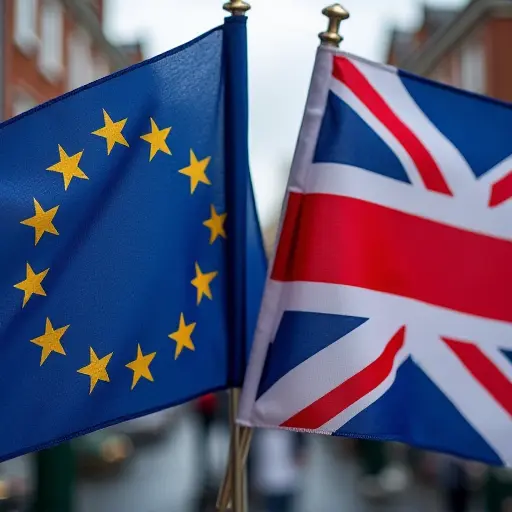
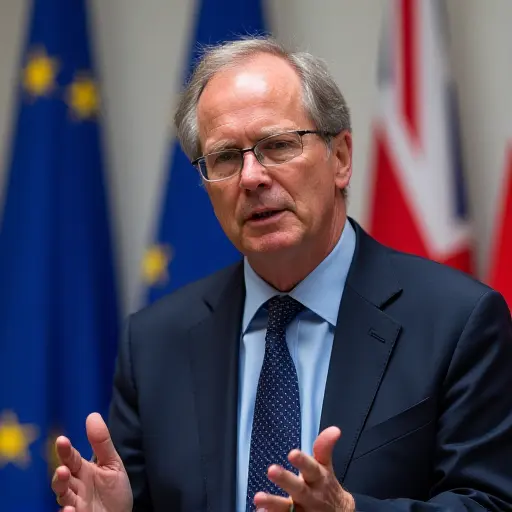
British Prime Minister Andy Burnham has declared that Brexit has left the United Kingdom worse off, with the economy around 6 percent smaller than it would have been had the UK remained in the European Union, according to Goldman Sachs. Speaking at a ceremonial banquet in the City of London on Monday evening (16 November 2026), Burnham called for an honest conversation about the UK-EU relationship, just days before a high-stakes summit in Brussels set for Friday.
Background: A decade after the Brexit referendum
Public opinion in the UK has shifted dramatically since the 2016 referendum. Only about 10 percent of Britons now say Brexit was a success, while 59 percent view a return to the EU as a good idea. Burnham, who became Prime Minister in July 2026 after succeeding Keir Starmer, has leveraged his position as the country's most popular politician, according to YouGov, to reopen the debate. The UK-EU trade relationship remains central to Britain's economic growth prospects.
What did Burnham say?
At the banquet, Burnham called for a national conversation about the internal market, the customs union, and even free movement of people. If we are serious about growth, then we must have this conversation, he said. The painful truth about Brexit, he argued, is that Britain has lost more than it has gained, with low-income households bearing the brunt of unfulfilled promises. He also pointed to a more unstable world, saying closer cooperation with European allies is now unavoidable to counter Russian aggression.
Public opinion and political pushback
While 59 percent support rejoining the EU, that figure drops to about 35 percent when specific conditions are considered, such as losing the UK's previous opt-outs on the pound and other exceptions. A Stay Out campaign has also begun, reviving the old red bus tactic with a fictional, unfounded claim that the UK would pay £750 million per week as an EU member. The Brexit economic impact remains hotly contested, with former prime ministers David Cameron and Boris Johnson both warning Burnham not to reopen the debate. Cameron cautioned against a long and painful process, while Johnson claimed Burnham would roast himself and his party.
EU-UK summit: What deals are expected?
The EU and UK are set to meet in Brussels on Friday, where they are expected to sign agreements on trade, fisheries, emissions trading, and youth mobility. A tentative deal has already been reached to remove checks on food and agriculture products exported from the UK to the EU. Burnham has framed the summit as a springboard to examine the pros and cons of different options for the future relationship with the EU.
Implications for the UK economy
Most economists agree that closer cooperation with the EU, Britain's largest trading partner, would benefit the economy. Goldman Sachs estimates the UK economy is about 6 percent smaller than it would have been inside the EU. Aligning more closely with the single market or customs union could reverse a significant portion of that damage, according to the bank. However, Burnham has committed to Starmer's election promises: no return to the single market, customs union, or free movement before the next election in 2029 or earlier. Those options could, however, become part of the next Labour manifesto. The EU carbon border tax debate is likely to intensify as trade barriers are re-examined.
FAQ
Is the UK worse off after Brexit?
Yes, according to PM Andy Burnham and Goldman Sachs, the UK economy is about 6 percent smaller than it would have been had it stayed in the EU, and many Britons say living costs have risen.
What did Andy Burnham say about rejoining the EU?
Burnham called for an honest conversation about the internal market, customs union, and free movement, saying Britain has lost more than gained from Brexit.
Will the UK rejoin the EU single market or customs union?
Not before the next election (2029 or earlier). Burnham has kept Starmer's pledge to avoid those moves, but they could be on the table in the next manifesto.
What deals are expected at the EU-UK summit in November 2026?
Agreements on trade, fisheries, emissions trading, and youth mobility, plus removal of checks on food and agriculture exports from the UK to the EU.
How has public opinion on Brexit changed?
Only 10 percent now call Brexit a success, and 59 percent support rejoining the EU, though support drops to 35 percent if UK-specific opt-outs are not restored.
Follow Discussion