


 Deutsch
 English
 Español
 Français
 Nederlands
 Português


 Share





Five European Union leaders have called for closer EU-UK clean-energy ties before a keenly anticipated Brussels summit, arguing that deeper cooperation on electricity grids, offshore wind and carbon pricing would benefit both sides. In a letter to European Commission President Ursula von der Leyen and European Council President António Costa, the leaders of Germany, Belgium, the Netherlands, Luxembourg and Denmark urged the bloc to pursue an ambitious energy partnership with Britain. The intervention landed hours after former Brexit negotiator Michel Barnier told the BBC that EU countries would reject any British attempt to follow single-market rules à la carte.
Why the EU-UK summit is a defining moment
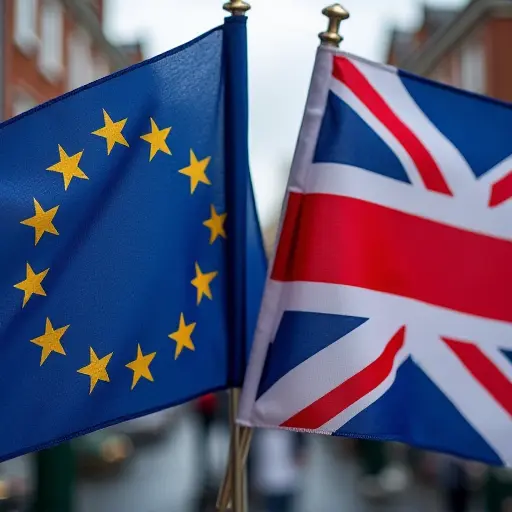
The Brussels meeting is the keenly anticipated moment when leaders will debate how close Britain can get to the EU without reopening Brexit. Since the post-Brexit trade deal took effect, energy has remained one of the most practical areas for cooperation because electricity and gas flows do not respect borders. The five countries' letter frames the summit around shared infrastructure rather than ideological debates over sovereignty. It also echoes concerns about the EU energy security strategy after Russia's invasion of Ukraine forced a rapid diversification away from fossil fuels.
What the five leaders are asking for
According to the letter, the five governments want the European Commission to prioritise:
- Expanded electricity interconnection between the UK and the North Sea region
- Joint offshore wind and green hydrogen projects
- Alignment of carbon pricing to avoid border friction
These proposals sit within the wider European Green Deal framework, which already envisages cross-border energy projects. The leaders argue that a deeper UK-EU energy relationship would lower costs for households and businesses, improve grid resilience and accelerate decarbonisation on both sides.
Barnier warns against cherry-picking
Michel Barnier, who led the EU's negotiating team during the Brexit talks, told the BBC that EU countries would reject any British attempt to follow single-market rules à la carte. His warning is a direct challenge to those in London who want the benefits of single-market access without accepting the full obligations, including free movement, budget contributions and the jurisdiction of the European Court of Justice. Barnier's message reinforces the EU's long-standing position that the single market rules cannot be separated from their political and legal foundations.
What this means for the EU-UK reset
The letter and Barnier's intervention set the terms of the summit debate. For the UK's Labour government, the reset offers a chance to improve trade and security ties without reopening the Brexit question. For the EU, deeper energy cooperation is attractive because it strengthens supply chains and advances climate targets. The table below compares the main integration options under discussion.
| Option | Market access | Rule alignment |
|---|---|---|
| Full single market | High | Full four freedoms |
| Swiss-style sectoral deals | Medium | Selective |
| Trade and Cooperation Agreement plus energy | Limited | Minimal |
The five leaders are effectively pushing for the third option, expanded through targeted energy agreements that avoid reopening the broader UK Labour government reset with the EU.
Expert perspectives
European diplomats say the letter is significant because it comes from both large and small member states, including Germany and the Netherlands, which have historically been cautious about giving Britain preferential treatment. One EU official described the energy proposal as a pragmatic bridge between the UK's red lines and the EU's legal order. Analysts note that North Sea offshore wind projects already require close coordination, making energy the most realistic area for a quick win.
FAQ
What is the EU-UK clean-energy reset?
The EU-UK clean-energy reset is a proposed deepening of cooperation on electricity grids, offshore wind, hydrogen and carbon pricing after Brexit. It aims to deliver practical benefits without reopening the UK's decision to leave the single market.
Why are five EU leaders writing to von der Leyen and Costa?
The leaders of Germany, Belgium, the Netherlands, Luxembourg and Denmark want the European Commission and Council to prioritise energy cooperation with the UK ahead of the Brussels summit.
What does à la carte single-market access mean?
It refers to the idea that Britain might select only the parts of the EU single market it wants, without accepting the full obligations. Michel Barnier says EU countries would reject that approach.
Will the UK rejoin the single market?
No. The UK government has ruled out rejoining the single market or customs union, but it is seeking closer sectoral cooperation, especially on energy and security.
When is the Brussels summit?
The summit is taking place as EU leaders gather in Brussels to debate the future of EU-UK relations, with energy cooperation among the key agenda items.


Follow Discussion