


 Deutsch
 English
 Español
 Français
 Nederlands
 Português


 Share
Share




Starmer Admits 'Very Poor' Results as Reform UK Reshapes British Politics
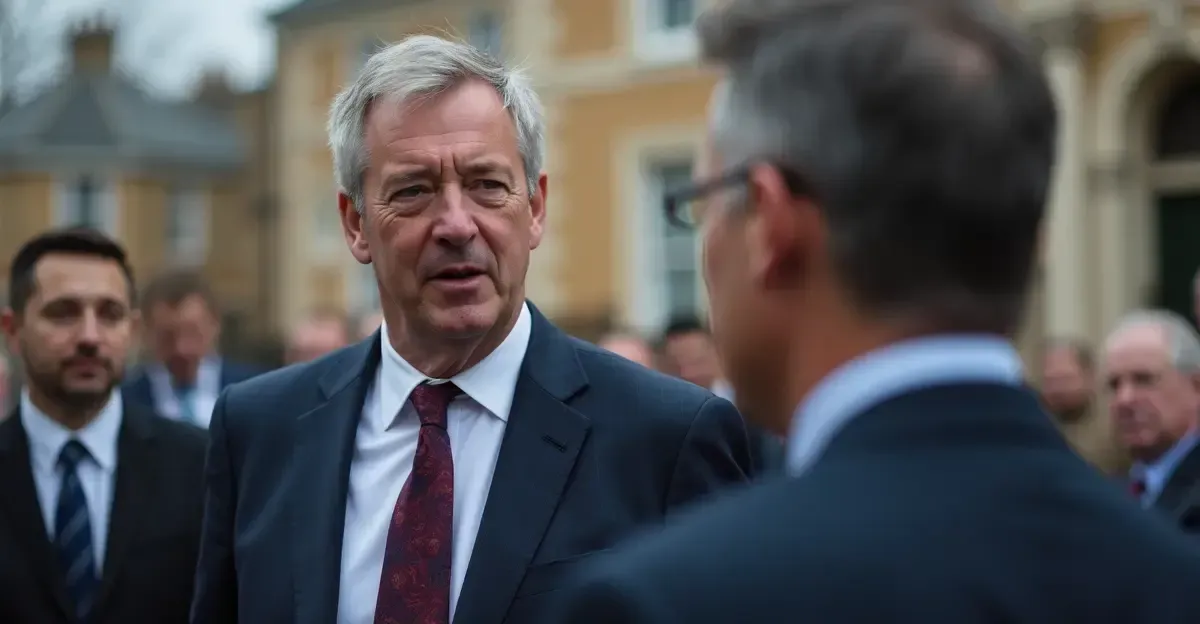
British Prime Minister Keir Starmer has acknowledged the devastating results of the 2026 local elections, calling them 'very poor' as his Labour Party suffered catastrophic losses across England, Wales, and Scotland. With Reform UK surging to over 1,400 council seats and Labour losing more than 1,000 councillors, the political landscape of the United Kingdom has shifted dramatically. Starmer, who took responsibility for the defeat, insisted he would remain in his position, stating: 'It does not diminish my determination to deliver the changes I promised.'
The Scale of Labour's Defeat
Labour lost control of eight local authorities, including traditional northern heartlands such as Tameside (held for 47 years), Redditch, Tamworth, and Exeter. In Hartlepool, Reform UK won every single council seat contested, wiping Labour off the map entirely. The 2025 bank heist in Berlin may have dominated headlines earlier this year, but the 2026 UK local elections are proving equally seismic for British democracy.
National equivalent vote projections place Reform UK on 31%, the Conservatives on 19%, the Greens on 16%, and Labour on just 15% — a result that, if repeated in a general election, would give Reform a 60-seat parliamentary majority. The Liberal Democrats polled at 13%, completing a fragmented multi-party picture unseen in modern British history.
Reform UK's Historic Breakthrough
Nigel Farage, leader of Reform UK, described the results as a 'truly historic shift in British politics.' His party won control of Essex County Council (held by the Conservatives for 25 years), Sunderland City Council (Labour since 1973), and Havering — Reform's first London local authority. Farage declared his party is no longer a 'protest vote' but a 'truly national party.'
Key Reform UK victories include:
- 1,310 council seats won across 110 out of 124 councils declared
- Control of Sunderland, Newcastle-under-Lyme, Suffolk, and Essex councils
- All 12 seats in Hartlepool
- First London council (Havering)
Farage noted that Reform succeeded in districts that had voted Conservative or Labour since the First World War, breaking the two-party duopoly that has defined British politics for decades.
Wales and Scotland: Labour's Nightmare Complete
In Wales, Labour lost its 27-year grip on the Senedd, falling to third place behind Plaid Cymru (43 seats) and Reform UK (34 seats). Labour managed only 9 seats in the Welsh Parliament, and First Minister Eluned Morgan lost her own seat, prompting her resignation. In Scotland, the SNP remained the largest party with 57 seats, while Labour secured just 17, dashing leader Anas Sarwar's hopes of a revival. Reform UK won 15 seats north of the border.
The EU carbon border tax and other international issues have faded from domestic debate as voters focused on the cost-of-living crisis, immigration, and economic stagnation under Labour's watch.
Green Party and Liberal Democrats Gain
The Green Party also celebrated a breakthrough, winning control of Hackney and Hastings councils and electing their first directly elected mayor in London. The Greens added nearly 300 councillors nationally, benefiting from Labour voters disillusioned with Starmer's centrist policies and tougher immigration rhetoric. The Liberal Democrats also made modest gains, particularly in southern England.
Starmer's Leadership Under Siege
At least a dozen Labour MPs have publicly called for Starmer's resignation, with MP Jonathan Brash demanding a timetable for his departure. Downing Street has reportedly brought in extra advisers to manage the fallout. Deputy Prime Minister David Lammy urged loyalty, stating: 'You don't change the pilot during a flight.' However, all potential successors — including Angela Rayner and Andy Burnham — also suffered significant losses in their own constituencies.
Starmer is under fire for the slow pace of economic growth, high living costs, and the controversial appointment of Peter Mandelson as UK ambassador to the United States. His strategy of adopting tougher immigration rhetoric failed to stem Reform's rise while alienating progressive voters who shifted to the Greens.
The cryptocurrency regulation landscape may be evolving globally, but for British voters, the immediate concerns remain jobs, prices, and immigration — issues that Reform UK has successfully capitalized on.
Impact on the Next General Election
With the next general election due by 2029, Reform UK's local election performance suggests a potential realignment of British politics. Farage stated his party is 'two-thirds' of the way to its general election goal and signaled openness to conversations with 'patriotic old Labour' MPs. Pollsters caution that Reform's vote share in contested seats dropped from 41% last year to roughly 35%, suggesting the party 'may have peaked,' but the overall trend remains upward.
The Conservative Party also suffered losses, losing nearly 500 councillors, as its traditional base defected to Reform. The results confirm the collapse of the two-party system that has dominated Britain since 1945.
Frequently Asked Questions
What happened in the 2026 UK local elections?
Reform UK won over 1,400 council seats, Labour lost more than 1,000, and the Conservatives lost nearly 500. Reform took control of multiple councils including Sunderland, Essex, and Suffolk. The Greens and Liberal Democrats also made gains.
Will Keir Starmer resign?
Starmer has refused to resign, stating he takes responsibility but is determined to continue as prime minister. However, multiple Labour MPs have called for his departure, and his leadership is under severe pressure.
What does this mean for the next general election?
National equivalent vote projections suggest Reform UK could win a 60-seat majority if repeated in a general election. The results indicate a fundamental shift away from the Labour-Conservative duopoly toward a multi-party system.
How did Reform UK perform in Wales and Scotland?
In Wales, Reform won 34 Senedd seats, placing second behind Plaid Cymru. In Scotland, Reform won 15 seats in the Scottish Parliament. Labour lost its long-held dominance in Wales.
Why did Labour lose so badly?
Labour's losses are attributed to the cost-of-living crisis, slow economic growth, policy backflips, the Mandelson controversy, and a failure to retain both progressive and traditional working-class voters — who moved to the Greens and Reform UK respectively.


Follow Discussion