


 Deutsch
 English
 Español
 Français
 Nederlands
 Português


 Share
Share




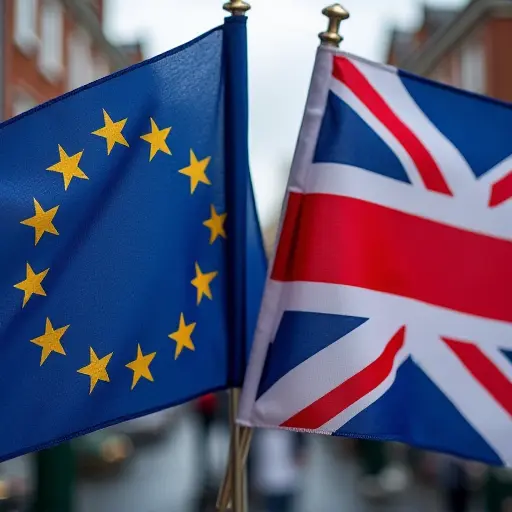
Ten years after the United Kingdom voted to leave the European Union, a comprehensive assessment reveals that many of the key promises made by Brexit campaigners remain unfulfilled. On June 23, 2016, 52% of British voters chose to leave the EU, but a decade later, the nation's economy is underperforming, public sentiment has soured, and the political landscape is fractured. According to a report by AllianzTrade, the UK economy has grown at an average of 1.4% annually since the referendum—significantly below the 2% to 4% that was projected had the UK remained in the bloc.
What Was Promised vs. What Happened?
Brexit supporters argued that leaving the EU would restore British sovereignty, boost economic growth, reduce immigration, and allow the UK to strike lucrative trade deals around the world. While the UK did regain control over its trade policy and immigration rules, the economic dividends have failed to materialize. The UK economic performance after Brexit has been described as 'underwhelming' by economists at AllianzTrade.
Economic Growth and Investment
The UK's GDP is estimated to be 4% to 8% smaller than it would have been inside the EU, according to multiple studies. Business investment has fallen 12-13% below trend, and productivity growth has stagnated at 3-4% lower than comparable economies. The pound sterling never recovered to pre-referendum levels, and real wages have only risen by £43 per week after inflation—far below historical norms. A former Bank of England deputy governor confirmed that long-run economic forecasts were accurate.
Trade and Border Friction
Trade with the EU, which accounted for £856 billion in 2025, has been hampered by new non-tariff barriers. Customs paperwork, border certifications, and sanitary checks have added significant costs. Bosch's UK subsidiary, for example, now handles 10,000 import transactions annually compared to just 40 before Brexit. Many small businesses have stopped trading with the EU entirely. The promised US trade deal never materialized, and new agreements with Australia, New Zealand, India, and Japan remain trivial in comparison.
Immigration: The Opposite of What Was Promised
Leave campaigners promised to 'take back control' of borders and reduce immigration. Instead, net migration skyrocketed to an average of 550,000 per year between 2021 and 2025, driven largely by non-EU arrivals. While net migration has since fallen to 171,000 in 2025, the overall picture contradicts the central promise of reduced immigration. Many Britons now feel the immigration system has not improved.
Regional Disparities Widen
One of the key promises of Brexit was that it would benefit 'left-behind' regions that voted heavily for Leave. However, in nearly 60% of areas that voted to leave, average incomes have fallen relative to the national average. The economic impact on Brexit-voting regions has been particularly severe in parts of northern England and the Midlands, where manufacturing and agriculture have been hit hardest by new trade barriers.
Public Sentiment Turns Against Brexit
Public opinion has shifted dramatically. A May 2026 YouGov poll found that 60% of Britons now view Brexit as a failure, while 52% support rejoining the EU. Only 28% believe leaving was the right decision. The number of people who say Brexit went worse than expected rose from 28% in 2021 to 48% in 2026. Even prominent former Remain supporter Andy Burnham, now the leading candidate to succeed Prime Minister Keir Starmer, has softened his stance, saying he respects the referendum result and that the UK is unlikely to rejoin the EU.
"The Brexit has only made the EU more cohesive," said Europacorrespondent Stefan de Vries. "It's clear that for the UK, the question is how to get closer to Europe as quickly as possible without returning to the EU."
Political Fallout and the Road Ahead
Prime Minister Keir Starmer, who took office in 2024, began talks to rebuild EU relations but recently announced he is stepping down. The political landscape has fragmented, with Nigel Farage's Reform UK leading in opinion polls. The future of UK-EU relations remains uncertain, as no major party advocates for rejoining, yet public support for closer ties continues to grow.
Frequently Asked Questions
Has Brexit been a failure?
According to most economic indicators and public opinion, Brexit has underperformed relative to promises. The UK economy is 4-8% smaller than projected, trade is more difficult, and immigration has risen rather than fallen. A majority of Britons now view it negatively.
What were the main promises of Brexit?
Key promises included: restoring sovereignty, boosting economic growth, reducing immigration, striking new global trade deals, and revitalizing left-behind regions. Most of these have not been fully realized.
Could the UK rejoin the EU?
While public support for rejoining has grown to over 50%, no major political party currently advocates for it. The process would be lengthy and require unanimous EU approval. Most analysts see a closer relationship—such as a Norway-style arrangement—as more likely than full membership.
How has Brexit affected trade?
Non-tariff barriers have significantly increased the cost and complexity of UK-EU trade. EU-UK trade remains the UK's largest trading relationship, but growth has slowed. The hoped-for US trade deal never materialized.
What is the future of UK-EU relations?
Prime Minister Keir Starmer initiated a 'reset' with the EU, focusing on security, trade facilitation, and youth mobility. However, his successor may take a different approach. The EU has signaled openness to closer ties but insists on respecting the integrity of the single market.

Follow Discussion