


 Deutsch
 English
 Español
 Français
 Nederlands
 Português


 Share
Share




Trump Threatens 'Very Hard' Strikes on Iran as US-Iran Conflict Escalates
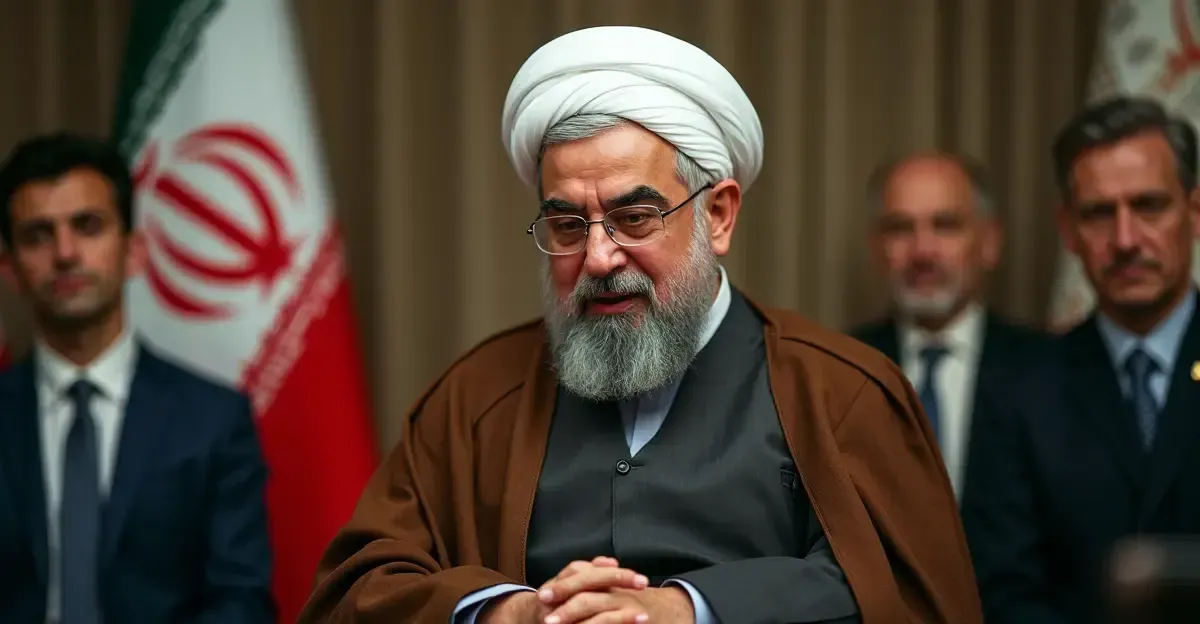
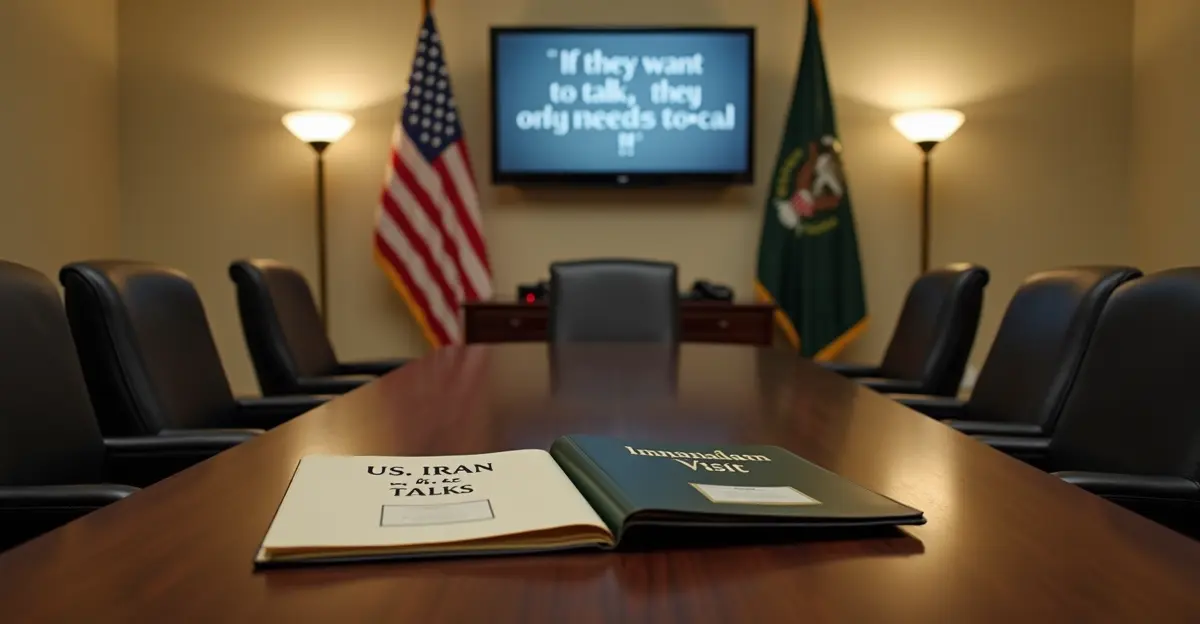
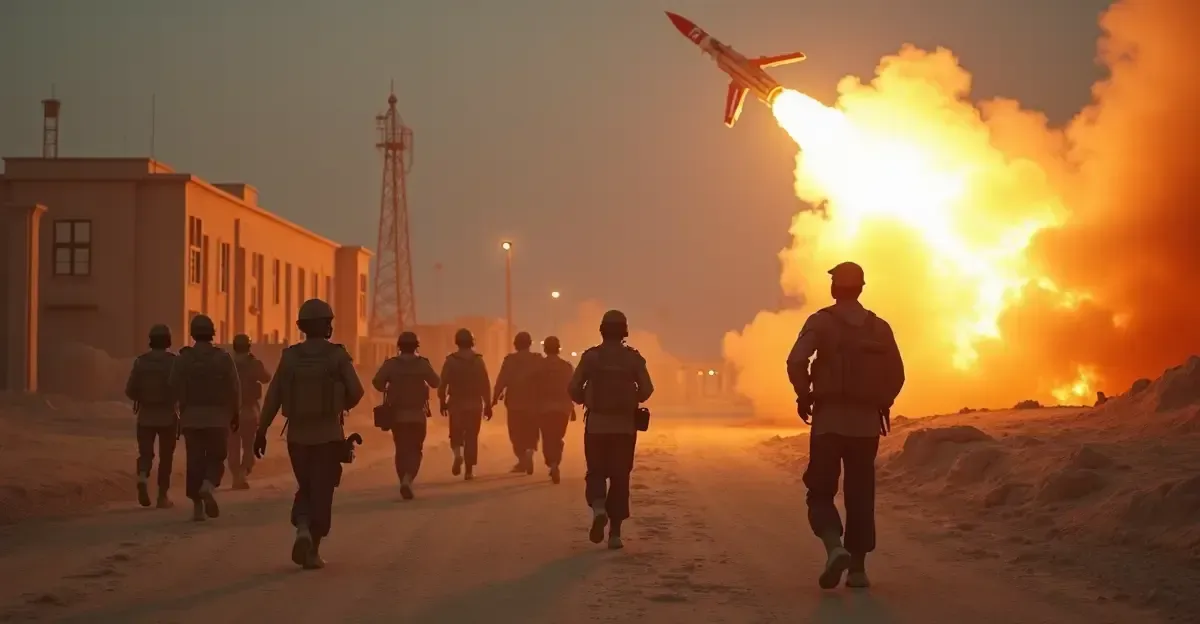
President Donald Trump has warned that the United States will attack Iran 'very hard' if no peace agreement is reached, marking a dangerous escalation in the ongoing 2026 Iran war. Speaking to journalists at the White House on June 10, 2026, Trump stated: 'We are going to attack them, hit them very hard.' The threat comes after a night of US strikes on Iranian targets, triggered by Iran shooting down a US Army AH-64 Apache helicopter over the Strait of Hormuz. The conflict, which began on February 28, 2026, has already cost the US military an estimated $32 billion and claimed the lives of 15 US service members, according to war-tracking sources.
Background: The 2026 US-Iran War
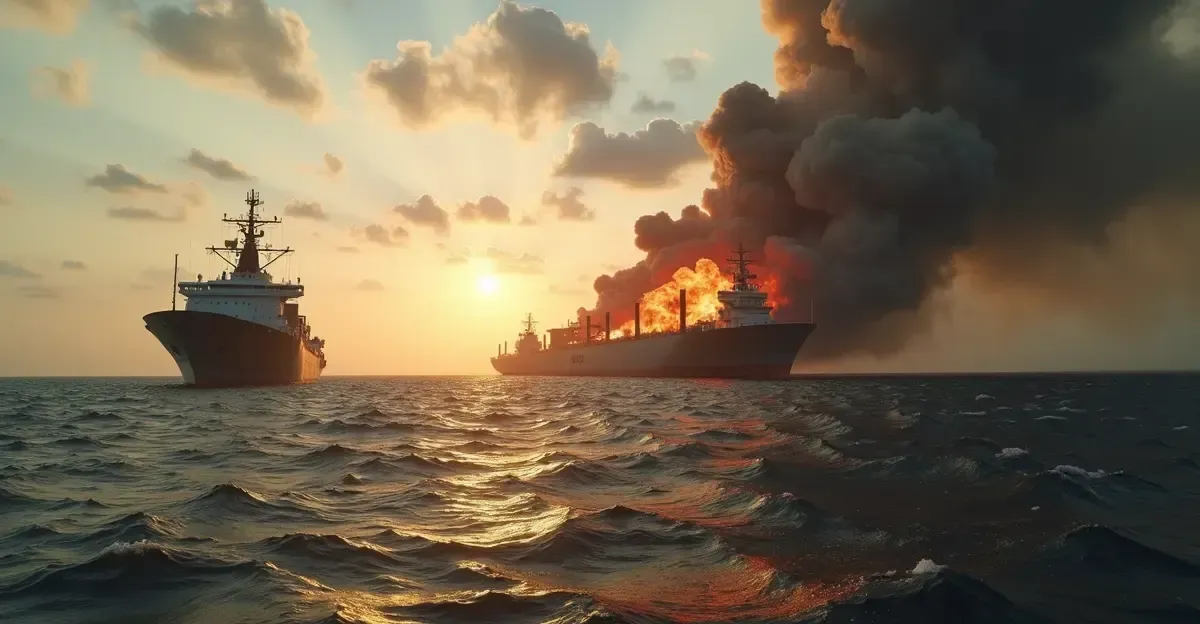
The 2026 Iran war erupted after surprise US-Israeli airstrikes on February 28 targeted Iranian military and government sites, resulting in the assassination of Supreme Leader Ali Khamenei. Iran retaliated by blocking the Strait of Hormuz—through which about 20% of the world's oil passes—triggering a global fuel crisis. The conflict has since expanded to involve multiple fronts, with Iran launching drones and missiles at Israel, US bases in Bahrain, Jordan, Kuwait, and the UAE, and even reaching NATO territory. The 2026 Iran war fuel crisis has sent oil prices surging past $90 per barrel and caused panic buying worldwide.
Trump's Ultimatum: Deal or Devastation
Trump's latest remarks underscore his administration's 'maximum pressure' approach. 'We want a deal that is meaningful, we want a deal that works. If not, Iran will pay a price,' he said. The president has previously threatened to target Iran's energy infrastructure, including power plants and bridges. According to Mideast correspondent Tara Kenkhuis, these threats align with earlier escalations: 'What happened during the previous outbreak is essentially what is happening again.' The US military remains at full war strength in the region, with only a few ships temporarily withdrawn for maintenance.
Iran's Military Resilience
Despite heavy US and Israeli bombardment, Iran has demonstrated a surprising ability to absorb and retaliate against attacks. Kenkhuis notes that Iran's energy grid is highly decentralized, requiring strikes on numerous sites to cause widespread blackouts. Furthermore, Iran's coastal missile batteries near the Strait of Hormuz remain largely intact, and the country possesses a large arsenal of cheap drones that are far less expensive to produce and repair than American equipment. 'Iran can sustain this kind of warfare for a relatively long time,' Kenkhuis explained.
Economic Fallout and Global Repercussions
The war's economic toll has been staggering. The International Energy Agency called the disruption 'the largest supply disruption in the history of the global oil market.' US crude oil prices have risen nearly 2% following the latest escalation, reaching almost $90 per barrel, while the Dow Jones Industrial Average dropped over 600 points on June 10. The conflict has also driven up US inflation to its highest level in three years, partly due to the war in Iran. Asian economies, particularly China, India, Japan, and South Korea, have been hit hardest by the blockade. Meanwhile, European security concerns have deepened, with European nations no longer viewing the US as a reliable ally for their defense.
Diplomatic Efforts Stalled
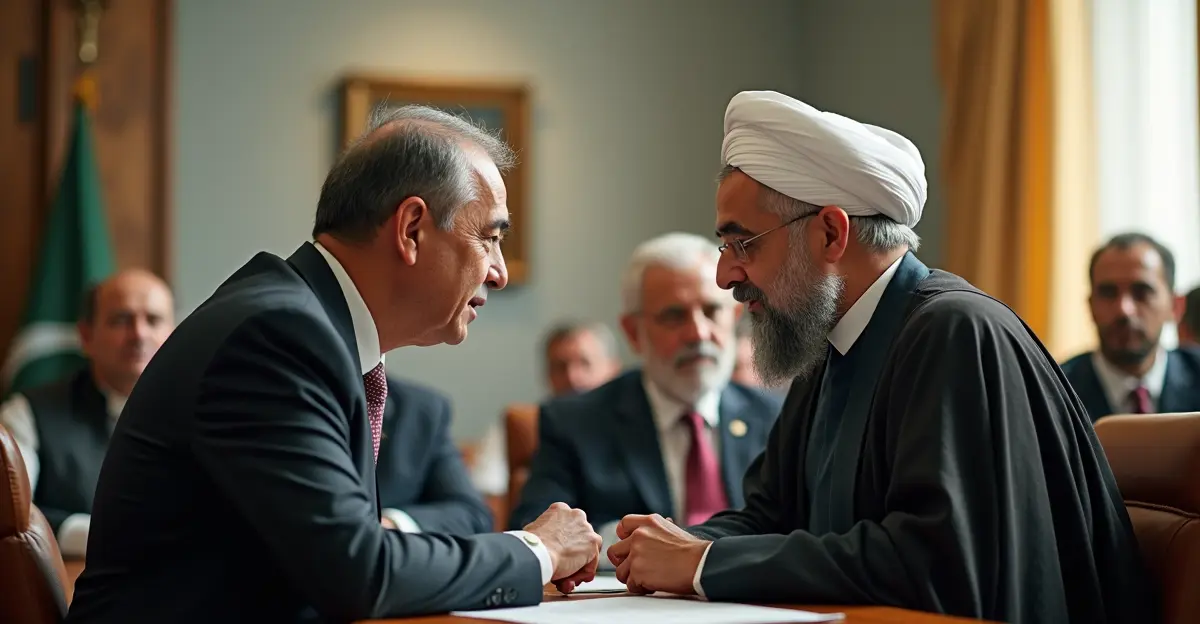
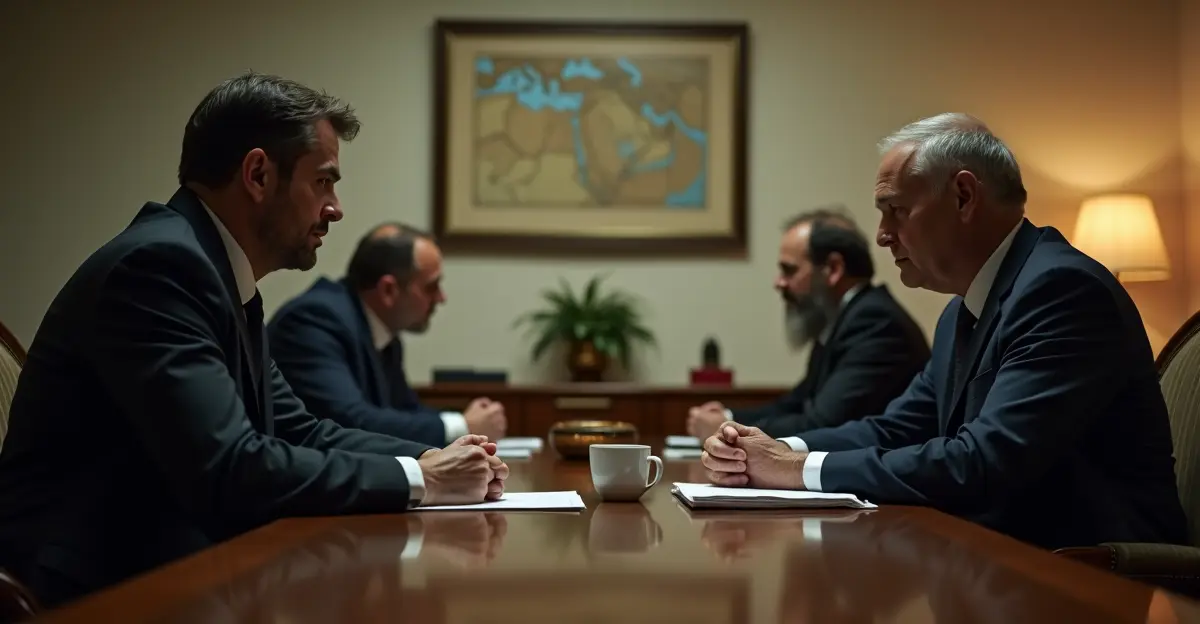
Behind the scenes, negotiations continue, with a Qatari delegation currently in Tehran attempting to mediate. However, the back-and-forth strikes reveal deep mutual distrust. 'These attacks show there is not much confidence between the two parties, and not much faith in the negotiations either,' Kenkhuis said. Pakistan has also been acting as a key mediator, but peace talks remain deadlocked. Iran has demanded recognition of its sovereignty over the Strait of Hormuz, sanctions relief, and a binding UN Security Council resolution—conditions the US has so far rejected.
What Happens Next?
With both sides dug in, the risk of a broader regional war remains high. Iran's parliamentary national security commission has warned the conflict 'won't be limited to the region.' The US has already spent an estimated $25-32 billion on the war, and the Pentagon has requested an additional $200 billion. As Trump threatens more 'very hard' strikes, the world watches—and waits—to see if diplomacy can prevail before the conflict spirals further out of control.
Frequently Asked Questions
Why did the US attack Iran in 2026?
The US and Israel launched surprise airstrikes on February 28, 2026, targeting Iran's nuclear facilities and leadership. The Trump administration cited Iran's nuclear program and alleged 'imminent threat,' though intelligence assessments contradicted those claims.
How many US soldiers have died in the Iran war?
As of June 2026, at least 15 US service members have been killed, with over 500 injured and 42 military aircraft damaged or destroyed.
What is the Strait of Hormuz and why is it important?
The Strait of Hormuz is a narrow waterway between Iran and Oman through which about 20% of the world's oil passes. Iran's blockade has caused a global fuel crisis and sent oil prices soaring.
Is there a ceasefire in the Iran war?
A temporary two-week ceasefire was brokered by Pakistan in April 2026, but it collapsed. Negotiations mediated by Qatar continue, but no lasting peace deal has been reached.
What is the economic impact of the 2026 Iran war?
The war has caused the largest oil supply disruption in history, with prices exceeding $90/barrel. US inflation hit a three-year high, and global markets have experienced severe volatility. The total cost to the US military alone is estimated at $32 billion and rising.
Follow Discussion