

 Deutsch
 English
 Español
 Français
 Nederlands
 Português






US-Iran Peace Talks in Jeopardy After Trump Cancels Islamabad Visit
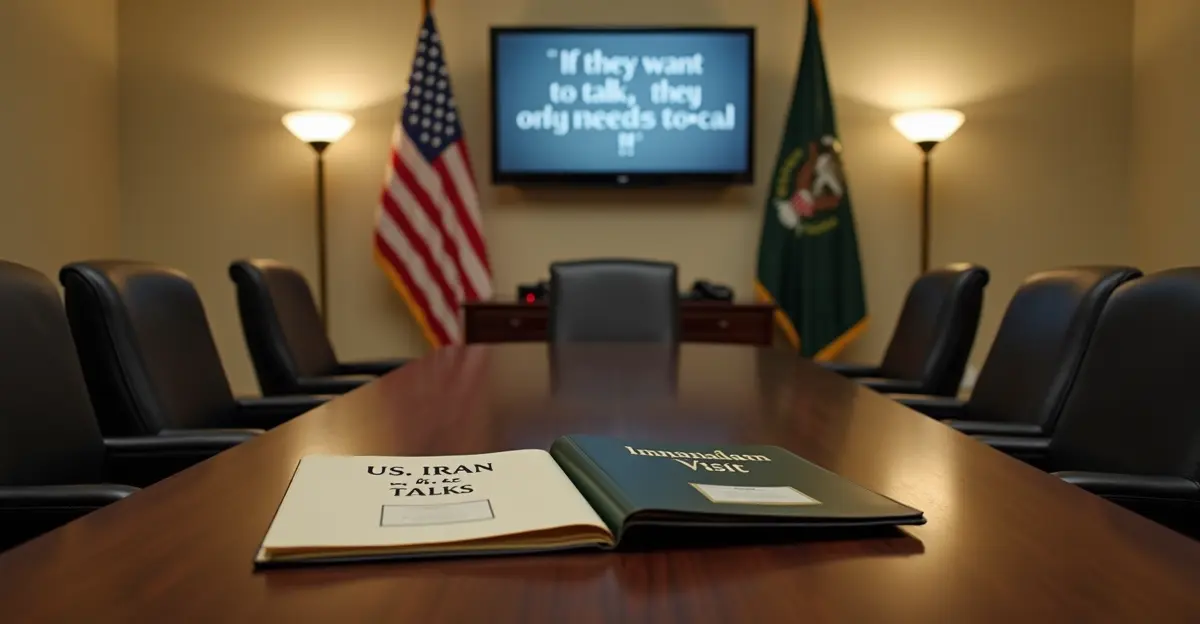
The prospects for a negotiated end to the US-Iran war suffered a major setback on April 25, 2026, when President Donald Trump abruptly canceled a planned trip by senior envoys Jared Kushner and Steve Witkoff to Islamabad, Pakistan. The cancellation came just hours after an Iranian delegation had presented a list of demands to Pakistani mediators, leaving the diplomatic track in tatters. According to reports from Politico and Fox News, Trump declared on Truth Social: 'If they want to talk, they only need to call!!!' The move effectively scuttled what would have been the second round of high-level indirect negotiations between Washington and Tehran.
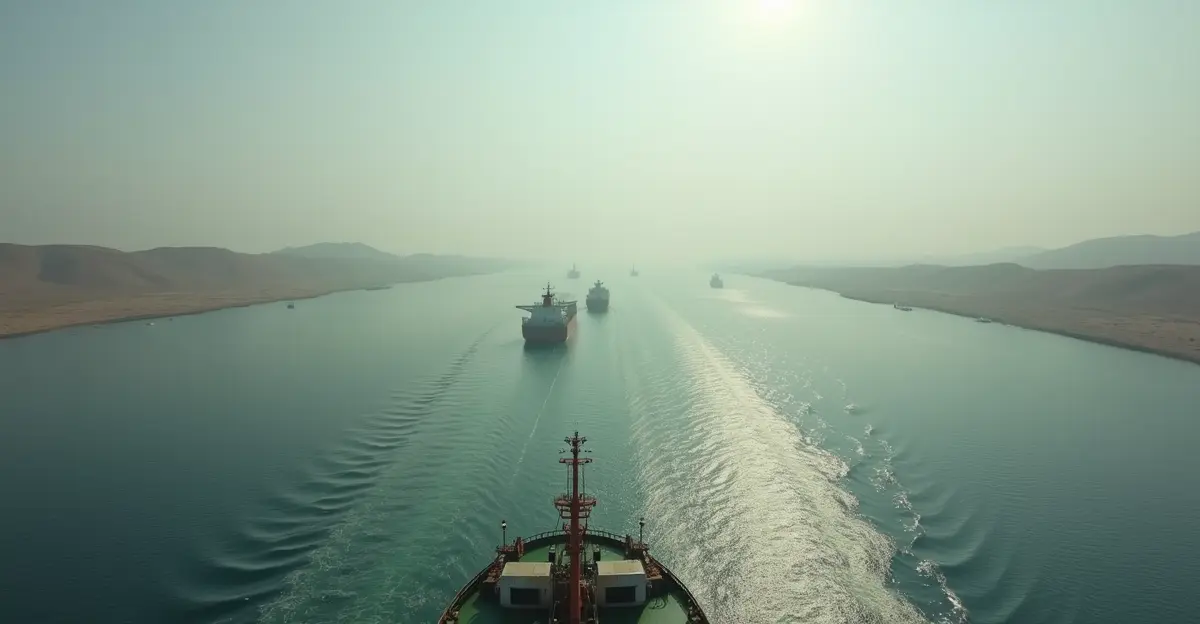
The sudden reversal underscores how deeply entrenched the conflict has become. The 2026 Iran war, which began on February 28 with US-Israeli airstrikes that killed Supreme Leader Ali Khamenei, has cost thousands of lives and disrupted global energy markets. Iran retaliated by closing the Strait of Hormuz, a chokepoint for 20% of the world's oil supply, and launching hundreds of missiles at US bases and Israel. A two-week ceasefire brokered by Pakistan took effect on April 8, but the underlying tensions remain unresolved.
What Led to the Collapse of US-Iran Negotiations?
Trump's Abrupt Decision
White House press secretary Karoline Leavitt confirmed that Trump personally ordered the cancellation, citing the 'tremendous infighting' within Iran's leadership. Trump claimed that within ten minutes of canceling the trip, Tehran submitted a 'much better' proposal, though no details were provided. The president also stated that the US holds 'all the cards' and that Iran is in a weak position due to the ongoing US naval blockade of Iranian ports, which is costing Tehran an estimated $435 million daily.
Iran's Position and Demands
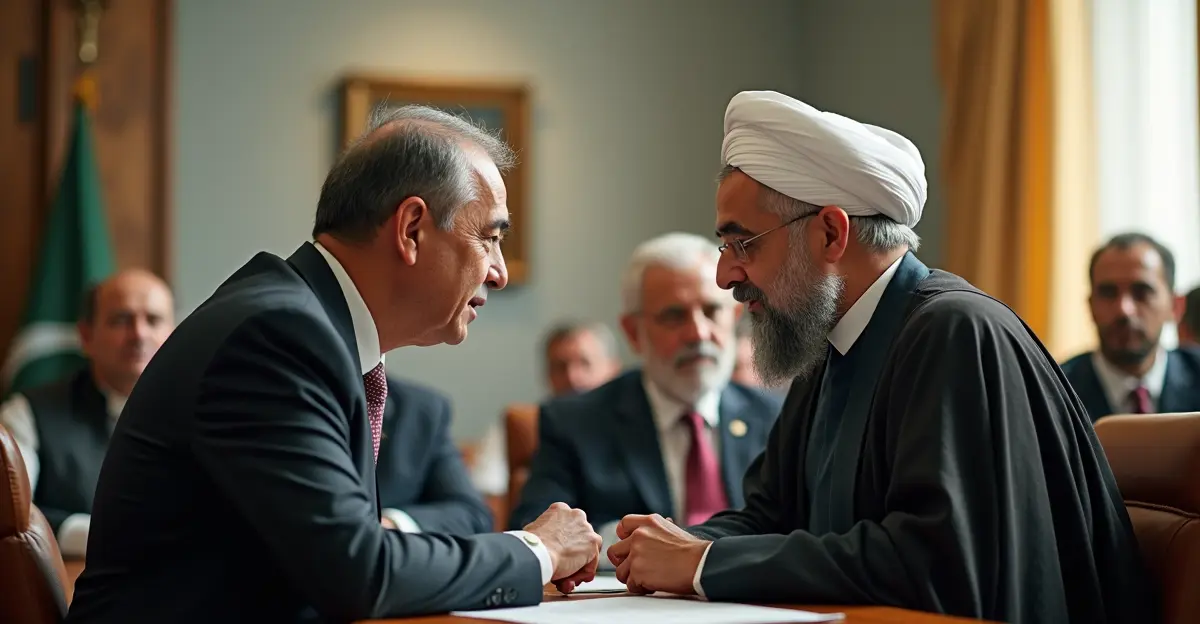
Iranian Foreign Minister Abbas Araghchi, who led the delegation to Islamabad, described the visit as 'very fruitful' and said Iran had presented a 'workable framework' to end the war. According to earlier reports from the April 11-12 talks, Iran's demands include control over the Strait of Hormuz, reparations for war damages, and a regional ceasefire covering Lebanon. Araghchi wrote on X that it remains to be seen whether the US 'takes diplomacy seriously.' He has since traveled to Oman to strengthen ties and is expected to return to Pakistan.
Pakistan's Mediation Efforts
Prime Minister Shehbaz Sharif has positioned Pakistan as an 'honest and sincere mediator,' leveraging its unique relationship with both Washington and Tehran. Pakistan shares a 900-kilometer border with Iran, hosts the world's largest Shia population outside Iran (21.5 million), and imports 85% of its crude oil via the Strait of Hormuz. The blockade has caused severe energy shortages in Pakistan. Sharif spoke with Iranian President Pezeshkian and described the conversation as 'constructive,' emphasizing Pakistan's commitment to multilateral diplomacy.
Why the Conflict Remains Stalemated
Military and Economic Dimensions
The US Navy continues to enforce a blockade of Iranian ports, with over 10,000 troops and a dozen ships deployed. CENTCOM commander Brad Cooper confirmed that US forces have 'completely halted economic trade going in and out of Iran by sea.' In response, Iran's Revolutionary Guard fully closed the Strait of Hormuz on April 18, firing on ships attempting to transit. The US is now hunting for explosive mines to reopen the waterway. The war has driven oil prices above $100 per barrel, and the IMF cut its 2026 global growth forecast to 3.1%.
The human cost is staggering. According to war casualty trackers, at least 3,468 Iranians have been killed, along with 2,300+ in Lebanon, 23 Israelis, and 13 US service members. Tens of thousands more have been wounded. The conflict has also displaced millions and caused an estimated $300 billion to $1 trillion in damage to Iran's economy alone.
Domestic Political Pressures on Trump
Rudy Bouma, NOS correspondent in the United States, notes that Trump's confident rhetoric belies a precarious political position. 'Trump says he has all the time in the world, but next week the 60-day deadline expires during which a president can conduct war operations without congressional approval,' Bouma explains. 'Loyal MAGA allies are abandoning him, and his approval rating has plummeted to 40.5%, with 57.6% disapproving. With the 2026 midterm elections approaching, a Republican loss would leave Trump lame-duck.'
The US presidential war powers deadline adds further urgency. Under the War Powers Resolution, Trump must seek congressional authorization for continued hostilities after 60 days. Critics, including former Secretary of State Hillary Clinton, have argued that the war was launched without congressional approval, violating the Constitution.
What's Next for US-Iran Relations?
The path forward remains unclear. Trump has threatened to destroy Iran's infrastructure and 'civilization' if no deal is reached, while Iran insists on its right to control the Strait of Hormuz and demands an end to the blockade. Pakistan continues to offer its good offices, but the cancellation of the envoy visit has dealt a severe blow to the mediation track.
Analysts suggest that both sides are boxed in by domestic pressures and maximalist demands. The Strait of Hormuz blockade impact on global oil prices continues to strain economies worldwide, and the risk of further escalation—including a potential US-Iran direct military confrontation—remains high. For now, the conflict sits in a dangerous limbo, with neither side willing to blink.
Frequently Asked Questions
Why did Trump cancel the envoy trip to Pakistan?
Trump stated that Iran 'offered a lot, but not enough' and cited 'tremendous infighting' within Iran's leadership. He also claimed the US holds all strategic advantages and that Iran can call if they want to negotiate.
What are Iran's key demands for ending the war?
Iran demands control over the Strait of Hormuz, reparations for war damage, a regional ceasefire covering Lebanon, and an end to the US naval blockade of Iranian ports.
How has the war affected global oil markets?
Iran's closure of the Strait of Hormuz has disrupted 20% of global oil supply, pushing prices above $100/barrel. The IMF cut its 2026 global growth forecast to 3.1% due to the crisis.
What role is Pakistan playing in the conflict?
Pakistan is serving as a mediator between the US and Iran, leveraging its close ties to both nations. Prime Minister Shehbaz Sharif has spoken with both Trump and Iranian President Pezeshkian to facilitate dialogue.
What is the 60-day deadline Trump faces?
Under the US War Powers Resolution, the president must obtain congressional authorization for military operations after 60 days. That deadline expires in early May 2026, adding pressure to reach a diplomatic resolution.
Sources
- NOS: Vredesonderhandelingen tussen VS en Iran verder uit zicht
- Politico: Trump abruptly cancels Kushner, Witkoff Pakistan trip
- Fox News: Trump cancels envoys to Pakistan after Iran 'offered a lot, but not enough'
- AP News: Trump cancels envoys to Pakistan for Iran talks
- Wikipedia: 2026 Iran war
- CNBC: US fully implements naval blockade of Iran
- USA Today: Trump approval hits new low of 40.5%



Follow Discussion