


 Deutsch
 English
 Español
 Français
 Nederlands
 Português


 Share
Share




US-Iran Ceasefire Explained: 2-Week Truce, Hormuz Reopening & What's Next
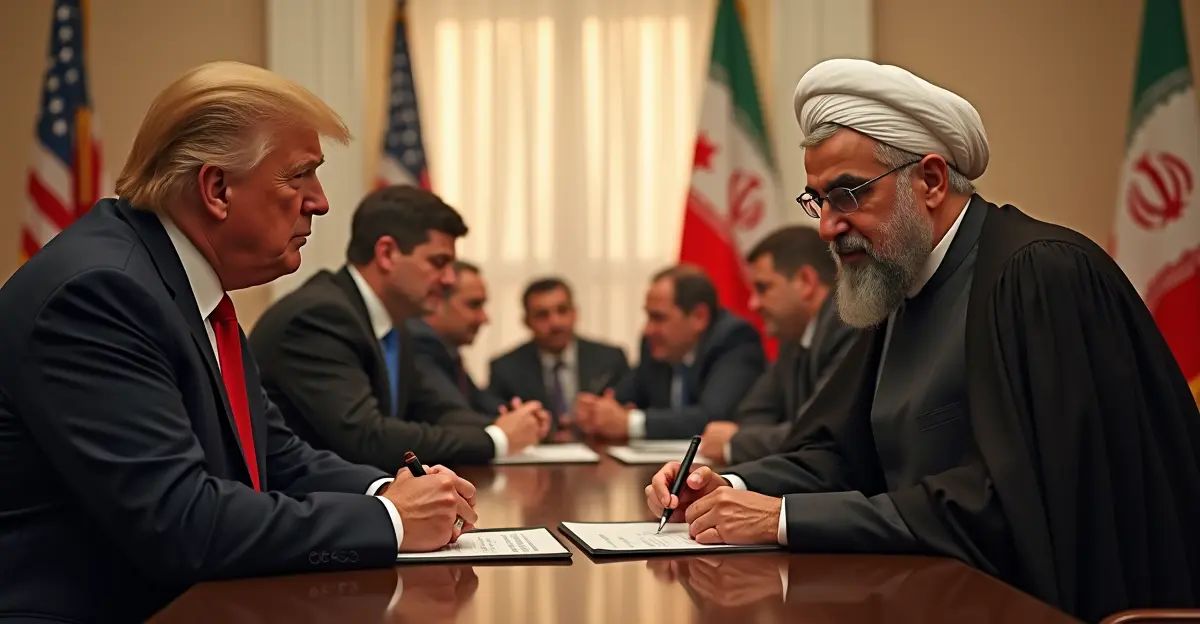
In a dramatic diplomatic breakthrough, the United States and Iran have agreed to a two-week ceasefire announced by President Donald Trump, marking the first significant de-escalation in the Middle East conflict that began in February 2026. The agreement, mediated by Pakistan, includes the immediate reopening of the strategically vital Strait of Hormuz and suspends military hostilities between the two nations while negotiations continue toward a permanent peace agreement.
What is the US-Iran Ceasefire Agreement?
The ceasefire represents a fragile but crucial pause in hostilities that began with US-Israeli strikes in late February 2026. According to the agreement announced on April 8, 2026, both sides will suspend military operations for two weeks while diplomatic talks proceed in Islamabad, Pakistan. The deal came just 90 minutes before President Trump's deadline to destroy Iran's civilian and military infrastructure, which legal experts warned would constitute war crimes.
The agreement includes three key components: cessation of US and Israeli attacks on Iran, Iran's commitment to stop regional attacks, and the immediate reopening of the Strait of Hormuz for safe maritime passage. This critical waterway had been effectively closed for over five weeks, creating what experts call "one of the most serious energy supply disruptions ever experienced globally."
The 10-Point Iranian Peace Plan: Key Demands and Contradictions
According to Iranian state media, the ceasefire was reached based on a 10-point peace plan proposed by Tehran. While President Trump described the plan as "a workable basis for further negotiations," significant contradictions exist between Iranian and American interpretations of the agreement.
Iran's 10-Point Plan Includes:
- US guarantee of no future attacks on Iran
- Iran maintains control over the Strait of Hormuz
- Continued uranium enrichment rights for Iran
- Complete lifting of all sanctions against Iran
- Removal of sanctions against countries cooperating with Iran
- Termination of UN Security Council resolutions against Iran
- End to International Atomic Energy Agency (IAEA) resolutions
- Compensation for war damages suffered by Iran
- Withdrawal of US military forces from the region
- Complete end to the war, including Israeli-Hezbollah conflict
President Trump has specifically contradicted point three regarding uranium enrichment, stating on social media that "there is no future for uranium enrichment" under the agreement. Similarly, complete US military withdrawal from the region appears unlikely given American strategic interests in the Middle East.
Strait of Hormuz Reopening: Global Economic Implications
The reopening of the Strait of Hormuz represents the most immediate economic relief from the ceasefire agreement. This narrow shipping lane between Iran and Oman handles approximately 20% of global oil supplies and 25% of seaborne liquefied natural gas (LNG) trade annually.
During the five-week closure, ship transits dropped 95% from 130 to just 6 per day, creating what the Federal Reserve Bank of Dallas described as "a major geopolitical oil supply disruption three to five times larger than previous shocks in 1973, 1979, and 1990." Oil prices had spiked to $119 per barrel, the highest since 2022, while natural gas and LNG prices surged dramatically.
The economic impact has been severe: global merchandise trade growth is projected to decelerate from 4.7% in 2025 to 1.5-2.5% in 2026, with developing countries facing the most severe consequences including currency weakening, higher borrowing costs, and increased import expenses for fuel and food. The global energy crisis created by the closure affected every major economy.
Pakistan's Crucial Mediation Role
Pakistan emerged as the unexpected but effective mediator in the conflict, with Prime Minister Shehbaz Sharif and military chief Asim Munir playing crucial roles in backchannel negotiations. Pakistan's unique diplomatic positioning – sharing a border with Iran while maintaining improved relations with the US under the Trump administration – made it an ideal intermediary.
Foreign Minister Ishaq Dar engaged both sides immediately after the initial attacks, while Pakistan's early condemnation of US-Israeli strikes helped win Iranian trust. The country's practical interests also aligned with mediation, as Pakistan depends on Middle Eastern oil and remittances from Pakistani workers in the region, making regional stability crucial to its economy.
What Happens Next: Islamabad Negotiations and Regional Implications
The next two weeks will see intensive diplomatic efforts in Islamabad, where Iranian parliamentary speaker Qalibaf and US Vice President JD Vance are scheduled to lead their respective delegations. According to Pakistani officials, Iranian President Pezeshkian may also participate in the talks.
Several critical issues remain unresolved:
Key Unresolved Issues:
- Lebanon Conflict: Contradictory statements about whether the ceasefire includes Lebanon, with Israel stating operations against Hezbollah continue while Pakistan claims they're included
- Uranium Enrichment: Direct contradiction between Iranian claims of continued enrichment rights and Trump's denial
- Sanctions Relief: Iran demands complete sanctions removal while the US has made no specific commitments
- Regional Military Presence: Iran's demand for US military withdrawal conflicts with American strategic interests
Vice President Vance has described the ceasefire as "a fragile truce" and called on Iran to negotiate "in good faith." The success of the Islamabad talks will determine whether this temporary pause can evolve into a lasting peace agreement or whether hostilities will resume after April 22, 2026.
Global Reactions and Regional Impact
International response to the ceasefire has been largely positive but cautious. UN Secretary-General António Guterres urged both sides to comply with the agreement "to pave the way for lasting peace." China welcomed the ceasefire while highlighting its own diplomatic efforts, and Russia called it "a defeat for aggressive approaches."
European Union nations, France, Japan, India, and Australia have all welcomed the de-escalation while emphasizing the need for sustainable peace and respect for international law. Many countries stressed the importance of protecting civilian lives, ensuring energy security, and preventing further regional instability.
Israel's Prime Minister Benjamin Netanyahu supported the move but noted it doesn't include Lebanon, where Israeli military operations continue against Hezbollah. The conflict in Lebanon has already resulted in approximately 1,500 deaths and over one million refugees, creating what humanitarian organizations describe as a "major humanitarian disaster."
FAQ: US-Iran Ceasefire Questions Answered
How long does the ceasefire last?
The ceasefire lasts for two weeks, from April 8 to April 22, 2026, during which time negotiations will continue in Islamabad.
Does the ceasefire include Lebanon?
There are contradictory statements. Pakistan claims it does, while Israel says its operations against Hezbollah in Lebanon continue.
What happens to the Strait of Hormuz?
The strait has reopened immediately for safe maritime passage, ending a five-week closure that disrupted global energy markets.
Can Iran continue uranium enrichment?
Iran claims yes as part of its 10-point plan, but President Trump has specifically denied this, creating a major point of contention.
What role did Pakistan play?
Pakistan mediated the agreement through backchannel diplomacy, with Prime Minister Sharif personally appealing to President Trump just before his destruction deadline.
Will sanctions against Iran be lifted?
Iran demands complete sanctions removal, but the US has made no specific commitments beyond agreeing to negotiate.
Sources and Further Reading
This analysis is based on reporting from Al Jazeera, NPR, Reuters, and Federal Reserve Bank of Dallas research. Additional context from Al Jazeera's analysis of Pakistan's mediation role and Iranian state media reports.
"This ceasefire represents a fragile but necessary pause in a conflict that has already caused tremendous human suffering and economic disruption worldwide," said UN spokesperson Stéphane Dujarric in a statement welcoming the agreement.




Follow Discussion