


 Deutsch
 English
 Español
 Français
 Nederlands
 Português


 Share
Share




Trump Threatens Iran Bridges & Energy Plants: Complete 2026 Crisis Guide
In a dramatic escalation of tensions, U.S. President Donald Trump has threatened to destroy all bridges and energy plants in Iran if a deal isn't reached by a Tuesday deadline at 02:00 Dutch time (Monday night to Tuesday morning). The American president made these threats during a press conference where he emphasized that the U.S. could destroy Iran's infrastructure within four hours 'if we wanted to.' This latest development comes amid ongoing conflict between the U.S., Israel, and Iran that has already seen major military strikes and economic disruption across the Middle East.
What is the Current Iran Crisis?
The current Iran crisis represents the most significant escalation in U.S.-Iran relations since the 2026 Strait of Hormuz conflict began. Following joint U.S.-Israeli strikes on February 28, 2026, which killed Iran's Supreme Leader Ali Khamenei, tensions have remained at boiling point. The conflict has already disrupted approximately 20% of global oil supplies through the Strait of Hormuz, with Brent crude prices soaring to $126 per barrel at their peak. Trump's latest threats specifically target Iran's civilian infrastructure, marking a dangerous new phase in the conflict that could have devastating humanitarian consequences.
Trump's Press Conference: Key Threats and Statements
During his hour-long press conference, President Trump made several critical statements that have raised alarm internationally:
Infrastructure Destruction Threats
Trump explicitly stated that 'all bridges and energy plants in the country will be destroyed' if Iran doesn't meet the Tuesday deadline. He emphasized U.S. military capability, noting: 'The U.S. could destroy Iran's infrastructure within four hours if we wanted to.' This represents a significant escalation from previous military targets to include civilian infrastructure.
Strait of Hormuz Priority
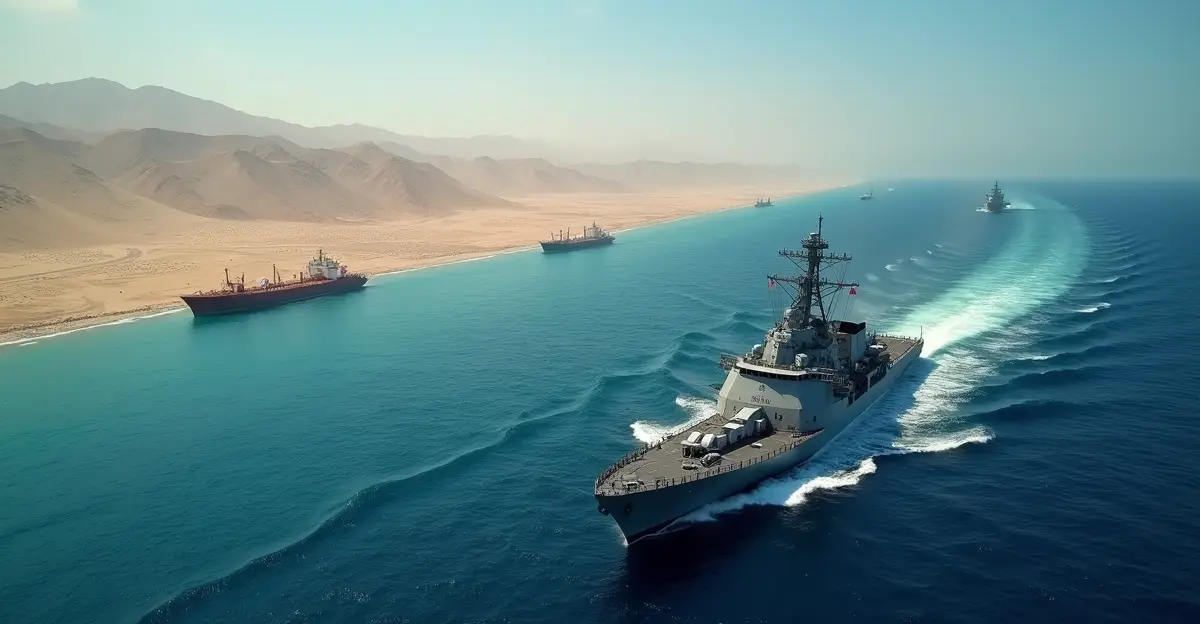
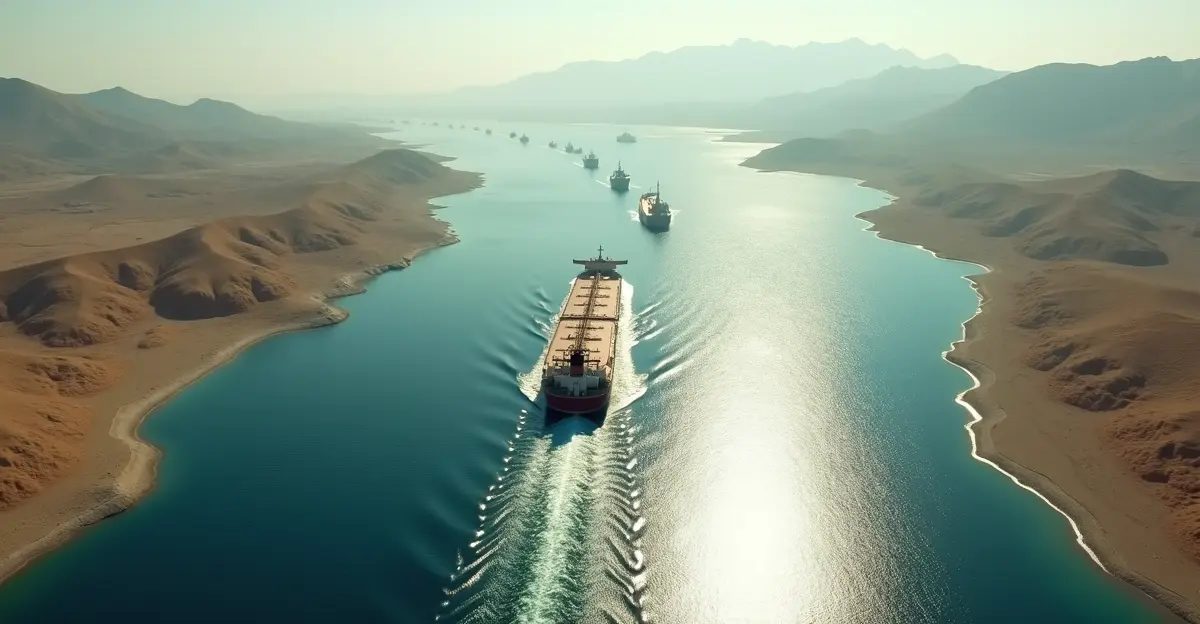
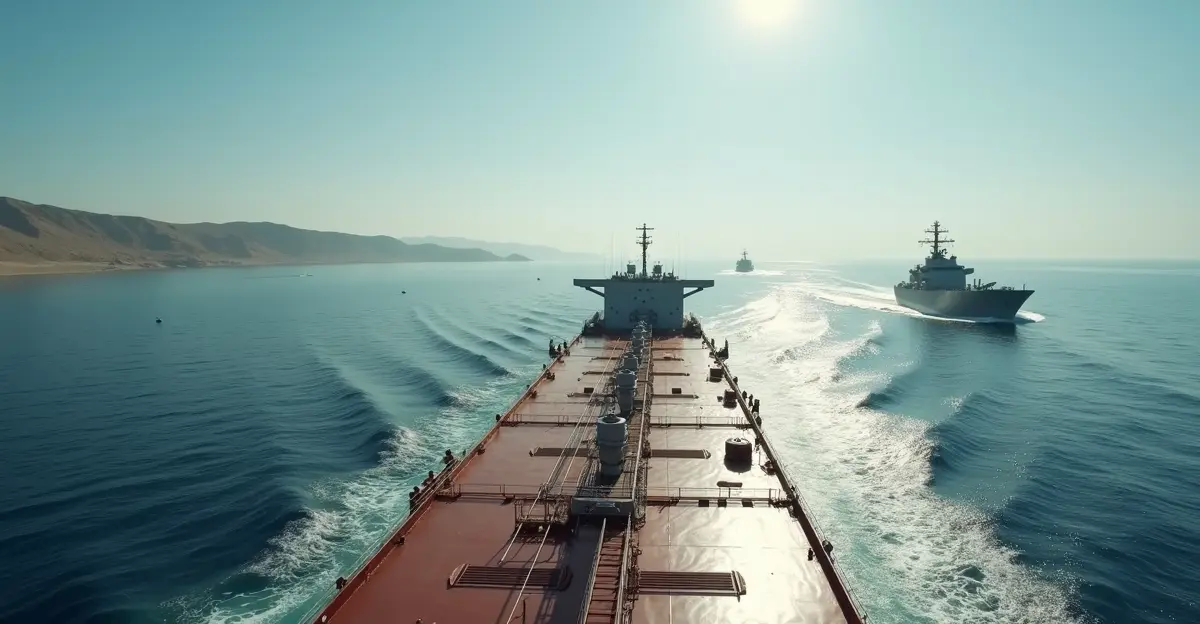
The American president identified reopening the Strait of Hormuz as a 'very large' priority, stating that free passage through the strategic waterway must be part of any agreement with Iran. The Strait handles approximately 20 million barrels of oil daily, representing about 20% of global seaborne oil trade. The 2026 Strait of Hormuz crisis has already caused the largest disruption to global energy supplies since the 1970s.
Narrative Shift on Pilot Rescue
According to correspondent Jan Postma, a significant portion of the press conference focused on reframing the narrative around recent military operations. 'The Trump administration is turning the negative story of two downed planes into a positive story about the successful, heroic rescue of the pilots,' Postma noted, highlighting the administration's media strategy.
Iran's Response and Regional Impact
Middle East correspondent Tara Kenkhuis reported that Trump's deadline 'makes little impression on the Iranian regime.' She explained that deadlines have been moved so frequently that they've lost credibility, stating: 'I don't think that deadline makes much impression on Iran.'
Recent Israeli Bombardment
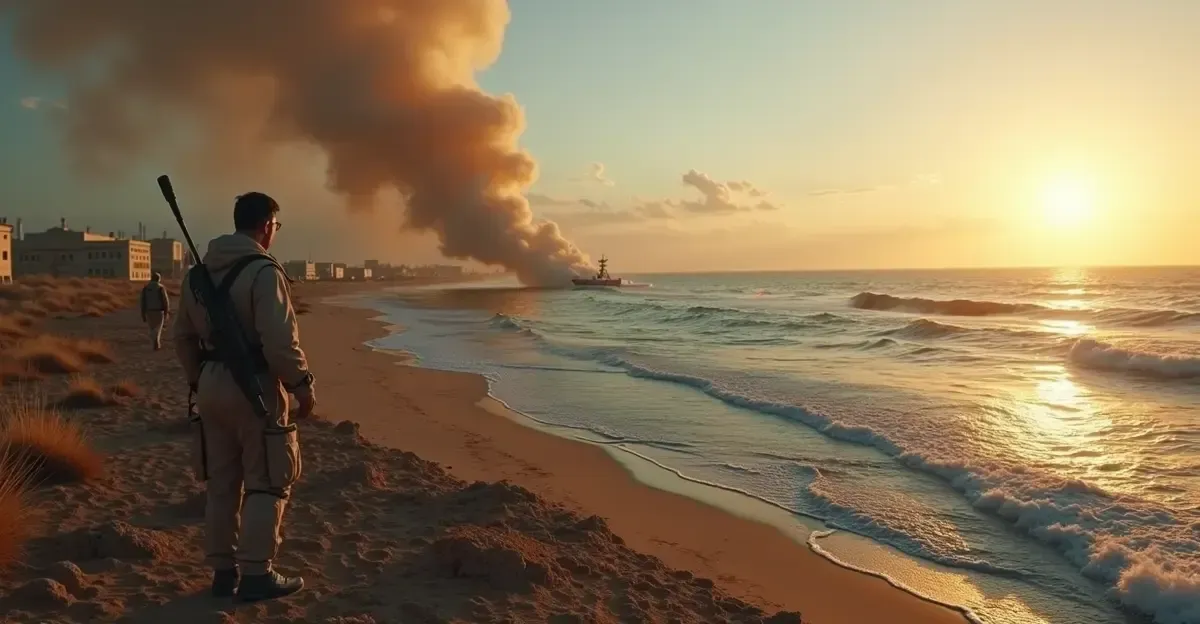
On Monday, Israel bombed Iran's largest petrochemical complex, though initial reports suggest damage was limited. Kenkhuis believes this attack wasn't directly related to Iran's rejection of the U.S. ceasefire proposal but rather part of ongoing military operations. 'Israel and the U.S. have always said they will continue bombing until there is a ceasefire,' she explained. Iran has reacted 'furious' to the attack, viewing it as confirmation that American and Israeli diplomatic efforts aren't serious.
Ceasefire Proposal Rejection
Iran rejected a U.S. ceasefire proposal on Monday, with Kenkhuis explaining that from Iran's perspective, 'a temporary ceasefire would mainly be a pause for the U.S. and Israel.' The Iranian regime remains standing and 'still capable of striking back,' maintaining its position despite mounting pressure.
Global Economic Implications
The threats against Iran's infrastructure come at a time when global markets are already reeling from the Middle East energy crisis. Key impacts include:
- Oil Prices: Brent crude surpassed $100 per barrel on March 8, 2026, for the first time in four years, peaking at $126
- Shipping Disruption: Tanker traffic through the Strait of Hormuz dropped by approximately 70%, with over 150 ships anchored outside the strait
- Commodity Markets: Aluminum, fertilizer, and helium prices have all increased due to supply chain disruptions
- Asian Markets: Approximately 84% of crude oil shipments through the strait are destined for Asian markets, with China receiving one-third of its oil via this route
What Happens Next: Timeline and Scenarios
The Tuesday deadline at 02:00 Dutch time represents a critical juncture in the conflict. Several scenarios could unfold:
Scenario 1: Deal Reached
If Iran accepts U.S. terms, the immediate crisis could de-escalate, though long-term tensions would likely persist given the fundamental disagreements between the nations.
Scenario 2: Infrastructure Attacks
If Trump follows through on his threats, attacks on bridges and energy plants would cripple Iran's economy and civilian life, potentially causing massive humanitarian consequences.
Scenario 3: Continued Stalemate
The most likely scenario according to analysts is continued brinkmanship, with deadlines extended and threats repeated without immediate military action.
International Law and Humanitarian Concerns
Targeting civilian infrastructure like bridges and energy plants raises serious questions under international humanitarian law. The Geneva Conventions prohibit attacks on objects indispensable to civilian survival, though military necessity arguments could be invoked. The international law experts are closely monitoring these developments, with many expressing concern about potential violations.
FAQ: Frequently Asked Questions
What exactly did Trump threaten?
President Trump threatened to destroy all bridges and energy plants in Iran if a deal isn't reached by Tuesday at 02:00 Dutch time. He stated the U.S. could accomplish this destruction within four hours.
Why is the Strait of Hormuz so important?
The Strait of Hormuz handles approximately 20 million barrels of oil daily, representing about 20% of global seaborne oil trade. It's only 21 miles wide at its narrowest point, making it a strategic chokepoint for global energy supplies.
How has Iran responded to the threats?
According to Middle East correspondent Tara Kenkhuis, the Iranian regime appears largely unimpressed by the deadline, viewing it as another in a series of frequently moved deadlines that lack credibility.
What was Israel's recent attack on Iran?
On Monday, Israel bombed Iran's largest petrochemical complex. Initial reports suggest limited damage, and analysts believe this was part of ongoing military operations rather than a direct response to diplomatic developments.
How are global markets affected?
Oil prices have surged to $126 per barrel, shipping through the Strait of Hormuz has dropped by 70%, and commodity markets including aluminum and fertilizer have experienced price increases due to supply chain disruptions.

Follow Discussion