


 Deutsch
 English
 Español
 Français
 Nederlands
 Português


 Share
Share




Trump Delays Iran Energy Attack: Strait of Hormuz Crisis Explained
President Donald Trump has postponed threatened U.S. military strikes against Iranian energy infrastructure for five days, claiming "very good and productive conversations" with Tehran aimed at ending the Middle East conflict. The announcement came just hours before Trump's deadline for Iran to reopen the strategically vital Strait of Hormuz, through which approximately 20% of global oil shipments pass. However, Iran's Foreign Ministry has categorically denied any direct or indirect talks with Washington, accusing Trump of attempting to manipulate energy markets as oil prices dropped 10% following his announcement.
What is the Strait of Hormuz Crisis?
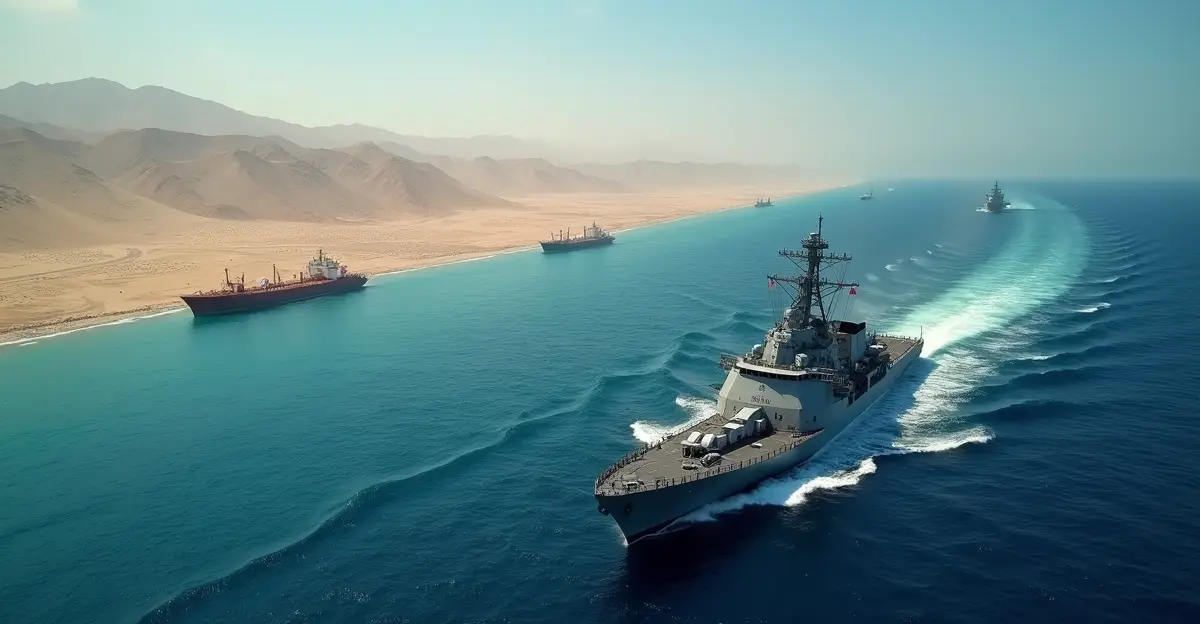
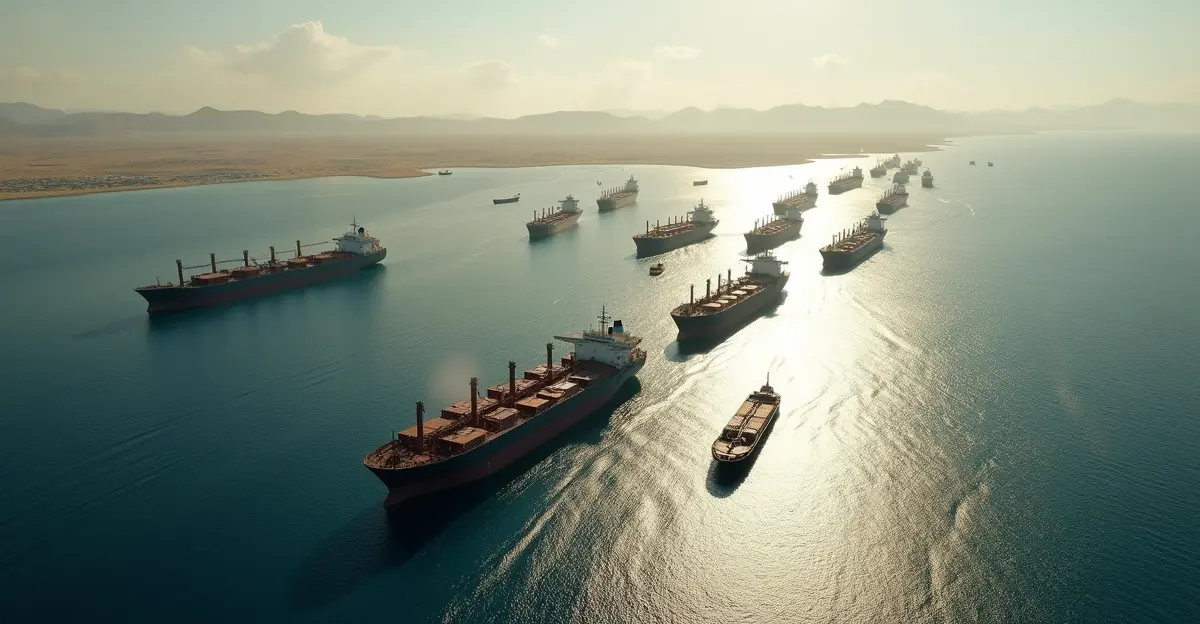
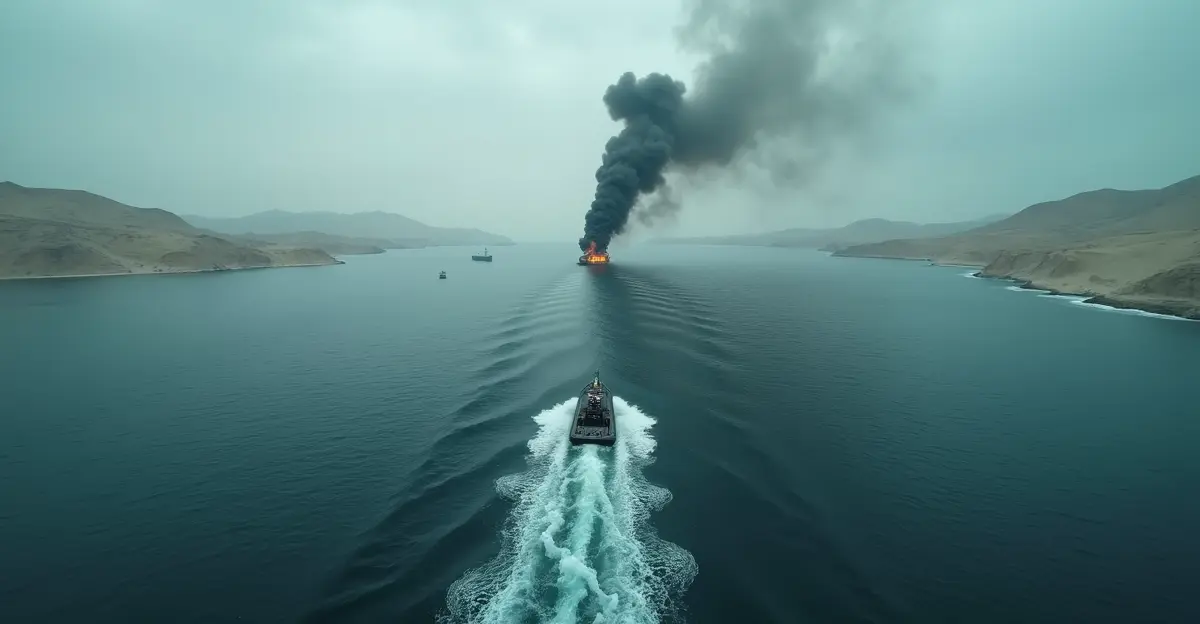
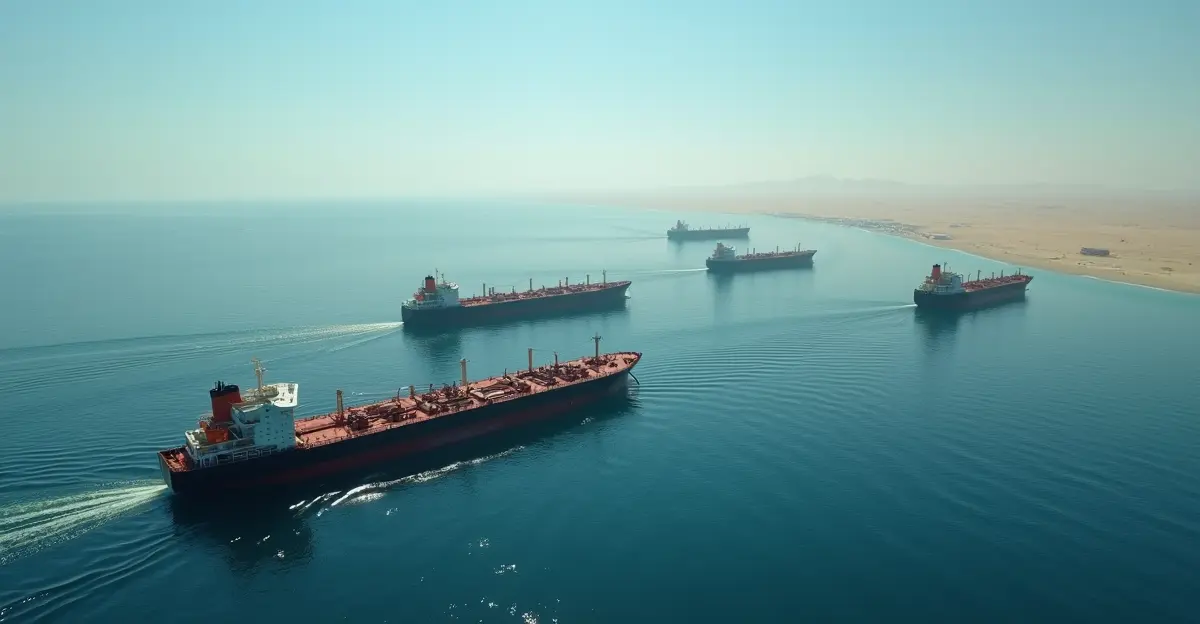
The Strait of Hormuz is a narrow waterway between the Persian Gulf and the Gulf of Oman that serves as the world's most important oil transit chokepoint. During 2023-2025, approximately 25% of seaborne oil trade and 20% of global liquefied natural gas passed through this strategic passage. The current crisis began when Iran partially closed the strait in response to U.S. and Israeli military actions, creating the largest oil supply disruption in global market history. According to Federal Reserve Bank of Dallas research, this closure has removed approximately 20% of global oil supplies from the market, representing a geopolitical shock three to five times larger than previous crises in 1973, 1979, and 1990.
Trump's Ultimatum and Five-Day Extension
President Trump had issued Iran an ultimatum this weekend: reopen the Strait of Hormuz by Tuesday morning or face U.S. attacks on Iranian energy infrastructure, beginning with their largest power plants. In a Truth Social post written entirely in capital letters, Trump announced: "Given the tenor and tone of these deep, detailed and constructive conversations, which will continue next week, I have ordered the Department of War to refrain from military attacks on Iranian energy plants and infrastructure for five days."
The Iranian Revolutionary Guard had previously warned that any U.S. attacks would trigger retaliation against electricity plants across the Middle East that supply American bases, as well as "economic, industrial and energy infrastructure where Americans have an interest." This escalation threat had pushed Brent crude prices to $92 per barrel, representing a $20 increase since the conflict began.
Market Impact and Energy Price Volatility
Fuel traders closely monitor statements from all combatants to predict whether price increases will continue. Hopeful words lead to price reductions, while threatening escalation drives prices higher. Following Trump's announcement, oil prices immediately dropped approximately 10%, with gas prices following suit. Since the war began, the price of a barrel of oil has increased by about half.
The International Energy Agency's March 2026 Oil Market Report reveals that global oil supply is projected to plunge by 8 million barrels per day in March, with Gulf countries cutting production by at least 10 million barrels daily. The disruption has forced shutdowns of over 3 million barrels per day of refining capacity and threatens diesel and jet fuel markets worldwide.
Iran's Denial and Regional Implications
Iran's Foreign Ministry spokesperson stated unequivocally: "There have been no talks, direct or indirect." The official claimed Trump's remarks were intended to lower energy prices "to buy time for his war plans." This marks the second time during the conflict that Trump has claimed Iranian outreach only to have Tehran resolutely deny it.
According to a senior Iranian Foreign Ministry official speaking exclusively to CBS News, Iran has received "points from the U.S. through mediators" which are being reviewed. Regional players including Pakistan, Turkey, and Egypt are reportedly involved in backchannel efforts to de-escalate tensions, with Pakistan positioning Islamabad as a potential venue for talks.
Global Economic Consequences Beyond Oil
The Middle East conflict economic impact extends far beyond energy markets. Approximately 21% of unwrought aluminum imports and 13% of wrought aluminum imports come from the Middle East, with disruptions already causing price increases that could impact automotive, aerospace, and construction manufacturing. Fertilizer represents a major downstream risk, with one-third of global fertilizer trade transiting the strait, threatening food inflation during spring planting season.
World Economic Forum analysis reveals that Asian economies bear disproportionate costs, with Japan relying on the Middle East for 90% of its crude oil and South Korea activating a $68 billion market stabilization program. The conflict is reshaping global supply chains, increasing inflation pressures worldwide, and threatening food security in vulnerable nations.
Strategic Importance of the Strait of Hormuz
The Strait of Hormuz is approximately 104 miles long, with width varying from about 60 miles to 24 miles. It provides the only sea passage from the Persian Gulf to the open ocean and is the only maritime route for several Gulf regions including Qatar, Kuwait and Bahrain. Disruption to the strait can cause severe supply shortages, as evidenced by current market conditions.
According to UNCTAD analysis, the strait's closure affects not only 20 million barrels of daily oil shipments but also critical helium supplies for semiconductor manufacturing. This has created helium shortages from Qatar's production shutdown that could impact microchip manufacturing and medical equipment globally.
FAQ: Trump's Iran Energy Attack Delay
Why did Trump delay attacks on Iranian energy infrastructure?
Trump claims the U.S. and Iran have had "very good and productive conversations" about ending hostilities, though Iran denies any talks occurred.
How long is the delay?
The delay lasts five days, pushing back Trump's ultimatum deadline for Iran to reopen the Strait of Hormuz.
What happens if Iran doesn't reopen the strait?
Trump has threatened to attack Iranian energy infrastructure, beginning with their largest power plants.
How have oil prices reacted?
Oil prices dropped approximately 10% immediately after Trump's announcement but remain about 50% higher than before the conflict began.
What is Iran's response?
Iran denies any talks with the U.S. and claims Trump is trying to manipulate energy markets to buy time for war plans.
What are the global economic impacts?
The global energy market disruption could reduce global real GDP growth by 2.9 percentage points in Q2 2026 according to Federal Reserve research, with oil potentially reaching $132 per barrel if closures persist.


Follow Discussion