


 Deutsch
 English
 Español
 Français
 Nederlands
 Português


 Share
Share




Iran's Supreme Leader Suspends Agreement with United States
Iran's Supreme Leader Mojtaba Khamenei has officially suspended the Islamabad Memorandum of Understanding (MoU) with the United States, declaring that President Donald Trump's signature is "worth nothing." The announcement, broadcast on Iranian state television on July 18, 2026, marks a dramatic collapse of the June 17 ceasefire agreement that was intended to end the devastating 2026 Iran war. The Iran-US conflict escalation has now entered a dangerous new phase as both sides resume hostilities.
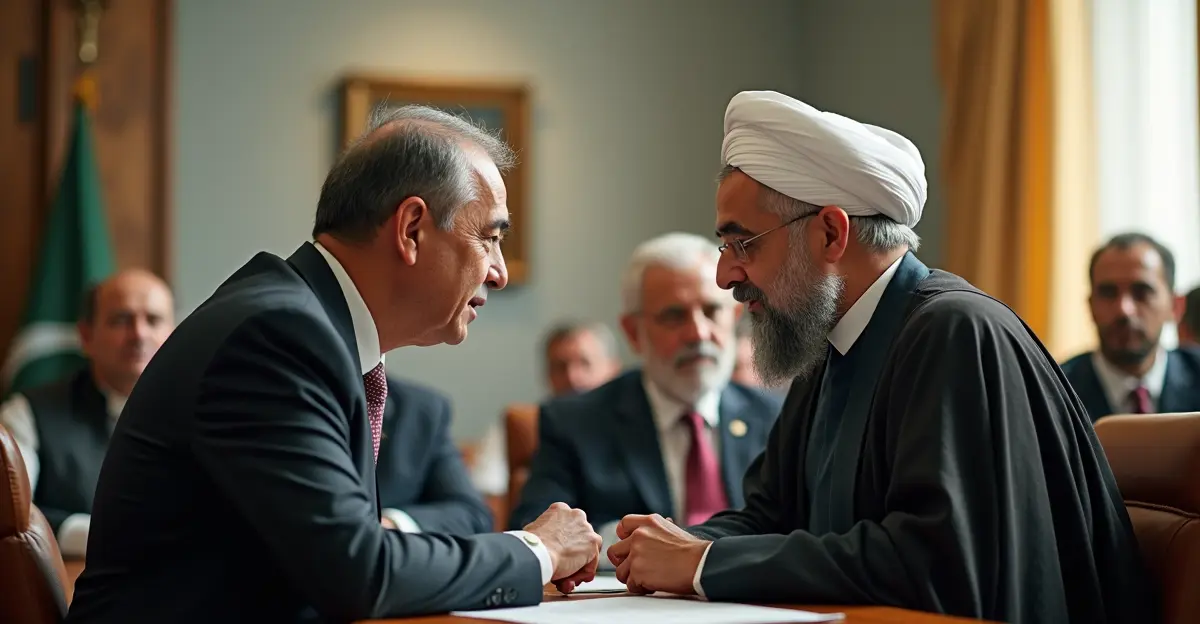
The Islamabad Memorandum, signed by President Trump and Iranian President Masoud Pezeshkian at the Palace of Versailles in France, had established a framework to reopen the strategically vital Strait of Hormuz, lift the US naval blockade on Iranian ports, and begin a 60-day negotiation period on sanctions relief and Iran's nuclear program. However, the agreement began unraveling within weeks as mutual accusations of violations mounted.
Background: The Collapse of the Ceasefire
The 2026 Iran war began on February 28, when US and Israeli airstrikes killed several Iranian officials, including Supreme Leader Ali Khamenei. His son, Mojtaba Khamenei, was elected as the new Supreme Leader by the Assembly of Experts on March 9, 2026. The conflict has since resulted in thousands of casualties and massive economic disruption, including the largest supply disruption of the global oil market in history.
After months of intense fighting and failed negotiations, the Islamabad Memorandum was signed on June 17, 2026, raising hopes for a peaceful resolution. The agreement included 14 points covering the reopening of the Strait of Hormuz, mutual de-escalation, and a framework for future talks on Iran's nuclear program and sanctions relief. However, tensions reignited in early July when Iran struck commercial vessels in the Strait of Hormuz, prompting the US to reinstate its naval blockade on July 14.
Khamenei's Statement: 'Trump's Signature Worth Nothing'
In a televised address on July 18, Supreme Leader Khamenei's office released a statement declaring the suspension of the agreement. The statement specifically criticized President Trump, asserting that his commitment to the deal had proven unreliable. "The signature of the American president has proven to be worth nothing," the statement read, according to Iranian state media. Khamenei accused the United States of violating all its obligations under the memorandum, including failing to lift the naval blockade and continuing airstrikes on Iranian territory.
Iran's Deputy Foreign Minister Kazem Gharibabadi confirmed the suspension, stating: "The US has violated and suspended all its commitments under the Islamabad Memorandum. We have also suspended our commitments." Gharibabadi added that Tehran was now focused on "defending the country" against what it called ongoing US aggression.
Military Escalation: Airstrikes and Retaliation
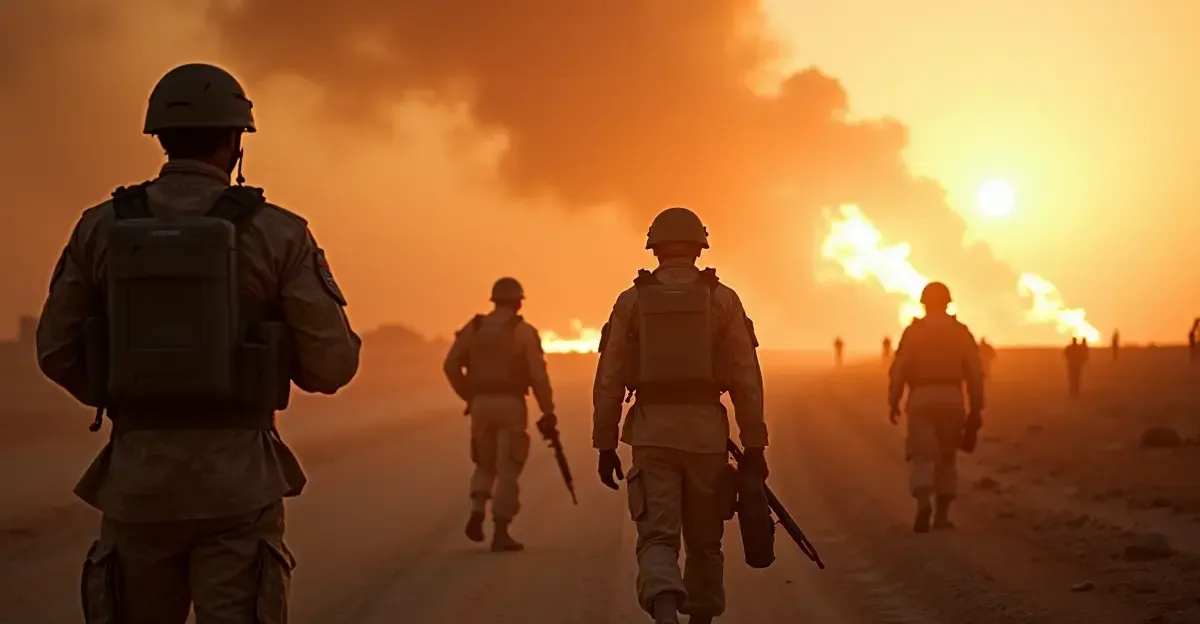
The diplomatic breakdown has been accompanied by intensified military action. The United States has conducted seven consecutive nights of airstrikes targeting Iranian military infrastructure, particularly around the Strait of Hormuz. US Central Command (CENTCOM) has struck over 80 Iranian military installations, including long-range anti-ship missile sites, coastal radar networks, air defense systems, and IRGC fast attack craft. Key strikes have hit IRGC hubs in Bandar Abbas, Qeshm Island, and Sirik.
Iran has retaliated by launching drones and missiles at US-allied Gulf states, including Kuwait, where two power and desalination plants were hit, leaving thousands without water. The Iranian health ministry reports at least 50 killed and over 500 wounded since July 6. The Strait of Hormuz blockade impact continues to ripple through global energy markets, with oil prices surging over 5% following Trump's declaration that the agreement was "over."
International Reaction and Implications
The collapse of the Islamabad Memorandum has drawn concern from the international community. Pakistan, which mediated the original agreement, has urged both sides to honor their commitments and avoid further escalation. The United Nations has called for an immediate ceasefire, while the European Union has offered to facilitate renewed negotiations.
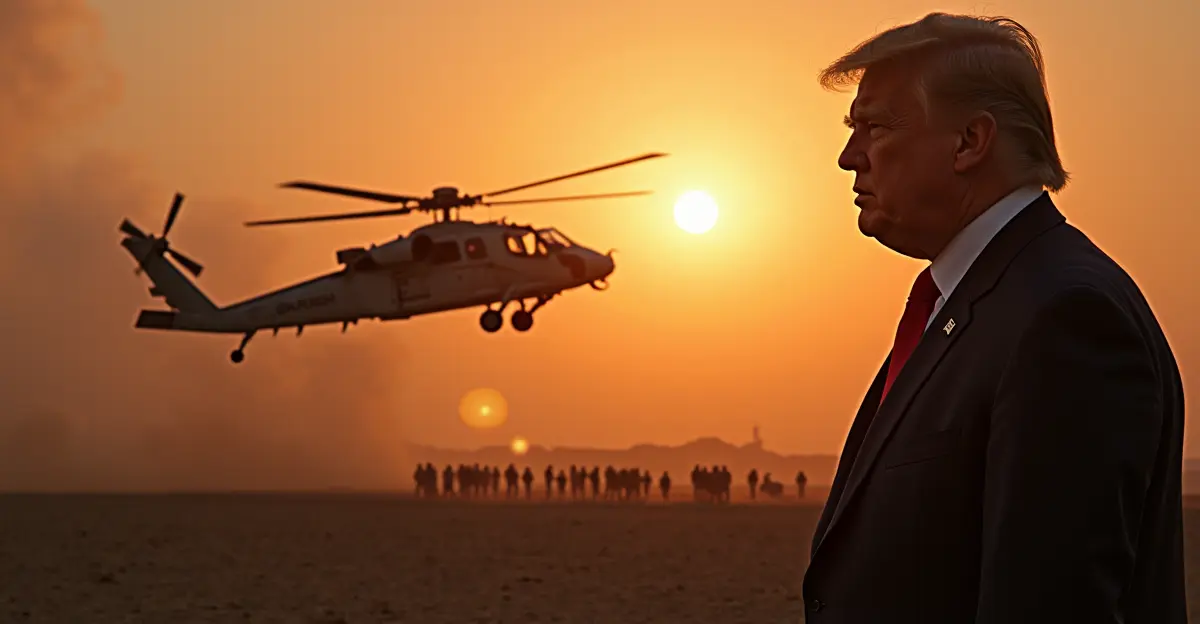
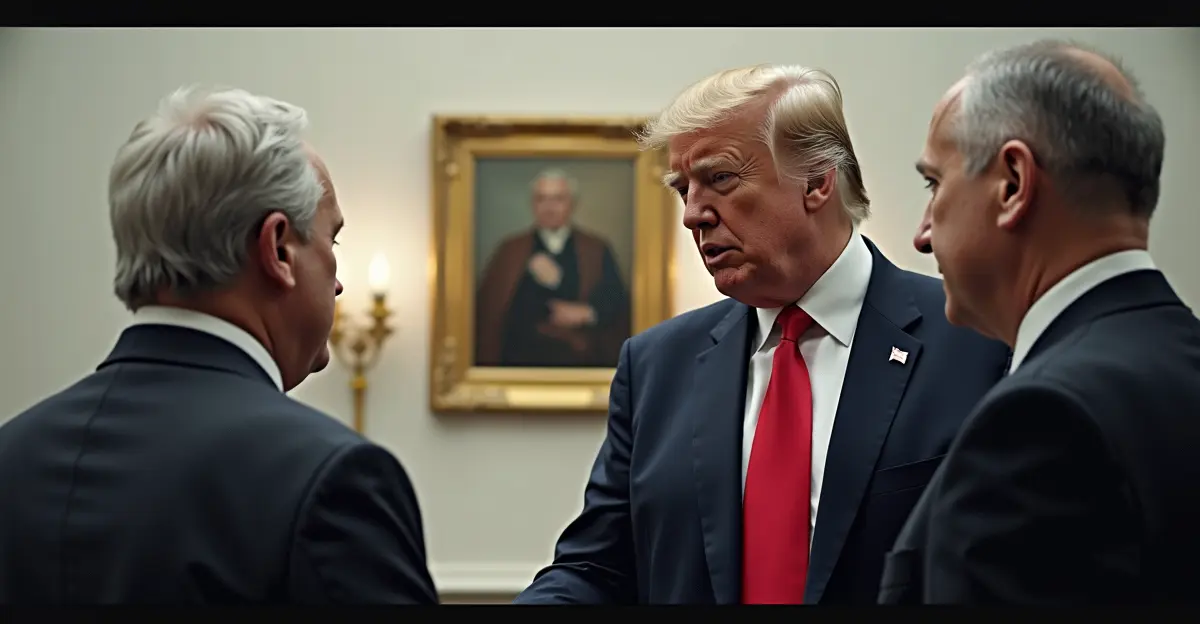
President Trump, speaking at a NATO summit, declared the memorandum "over" and reimposed a full naval blockade on Iranian ports, revoking sanctions waivers on Iranian oil exports. The US has also expanded its airstrike campaign, targeting what it describes as Iran's anti-access/area-denial (A2/AD) architecture in the Strait of Hormuz region.
What's Next for Iran-US Relations?
The suspension of the Islamabad Memorandum effectively returns the situation to a state of open conflict. The 2026 Iran war global oil crisis continues to worsen, with disruptions to natural gas, fertilizer, aviation, and tourism industries. The cost of the war to US taxpayers has already exceeded $113 billion as of June 2026.
Analysts warn that the collapse of diplomatic channels could lead to an even more destructive phase of the conflict. Iran has warned of a "full-scale offensive" if US strikes continue, while the US has indicated it will continue its campaign to degrade Iran's military capabilities. The window for a negotiated settlement appears to be narrowing rapidly.
Frequently Asked Questions
What was the Islamabad Memorandum?
The Islamabad Memorandum of Understanding was a 14-point agreement signed on June 17, 2026, between the United States and Iran. It aimed to end the 2026 Iran war by reopening the Strait of Hormuz, lifting the US naval blockade, and establishing a 60-day framework for negotiations on sanctions relief and Iran's nuclear program.
Why did Iran suspend the agreement?
Iran accused the United States of violating all its obligations under the memorandum, including failing to lift the naval blockade and continuing airstrikes on Iranian territory. Supreme Leader Mojtaba Khamenei stated that President Trump's signature was "worth nothing."
What did President Trump say about the deal?
President Trump declared the Islamabad Memorandum "over" at a NATO summit, reimposing a naval blockade on Iranian ports and revoking sanctions waivers on Iranian oil exports. He has blamed Iran for the collapse of the ceasefire.
How has the conflict affected global oil markets?
The war has caused the largest supply disruption of the global oil market in history. Oil prices surged over 5% following Trump's declaration that the agreement was over, and the Strait of Hormuz blockade continues to threaten global energy supplies.
What role has Pakistan played in the negotiations?
Pakistan mediated the Islamabad Memorandum and has urged both sides to honor the agreement. The original talks included Pakistani officials alongside mediators from Saudi Arabia and Turkey.


Follow Discussion