


 Deutsch
 English
 Español
 Français
 Nederlands
 Português


 Share
Share




US-Iran Negotiations at a Standstill: Who Blinks First?
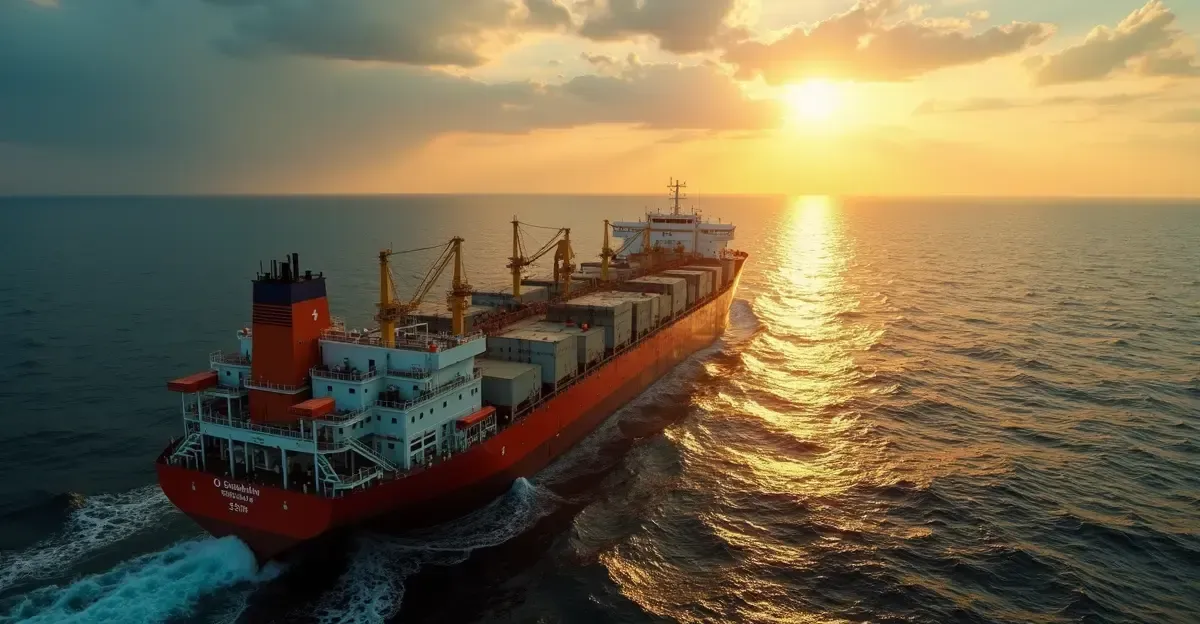
The ongoing negotiations between the United States and Iran have reached a critical impasse, with experts describing the standoff as a classic 'game of chicken.' Despite a fragile ceasefire that began on April 8, 2026, and has been extended indefinitely, both sides remain entrenched in their maximalist positions. Tehran has submitted a new counterproposal to end the conflict, but Washington is unlikely to accept it without significant concessions on Iran's nuclear program. The stalemate has pushed global oil prices to a four-year high above $126 per barrel, as the Strait of Hormuz blockade continues to disrupt approximately 20% of the world's oil trade.
Background: From Nuclear Deal to Open Conflict
The current crisis marks the latest chapter in a decades-long rivalry between the two nations. After the Trump administration unilaterally withdrew from the Joint Comprehensive Plan of Action (JCPOA) in 2018 and reimposed sanctions, Iran gradually exceeded pre-deal enrichment levels. Diplomatic efforts by the Biden administration failed to revive the agreement, and the second Trump administration returned to a 'maximum pressure' strategy. In March 2026, the US and Israel launched coordinated strikes against Iranian nuclear and military facilities, plunging the region into a full-scale conflict that has now lasted over 60 days.
The war has devastated Iran's economy. The rial has crashed to a record low of 1.8 million per US dollar, inflation has hit 53%, and the IMF projects a 6.1% economic contraction for 2026. Oil exports have plummeted by 45%, and the US naval blockade has cut off over 90% of Iran's international trade. Yet, despite these pressures, Iranian economic resilience continues to surprise analysts.
Why Tehran Believes It Can Outlast Washington
Domestic Pain vs. Political Pressure
According to Iran experts Peyman Jafari of Princeton University and Ali Vaez of the International Crisis Group, the Iranian regime is better positioned to endure the current standoff than the Trump administration. 'Both parties are suffering pain,' says Jafari. 'But Trump is desperately looking for a way out. The war is deeply unpopular among Americans, with over 60% of voters believing the attack on Iran was a mistake, according to a Washington Post-ABC News poll. With midterm elections approaching in November, Republican lawmakers are growing nervous.'
The economic pain is being felt acutely in the United States as well. US gasoline prices have surged past $4.30 per gallon, and Brent crude oil has crossed $120 per barrel. European nations, which have been drawing down strategic reserves, are expected to face major shortages by mid-May, particularly in aviation fuel. 'As we are already seeing with kerosene, the shortages are real,' notes Jafari.
Iran's Strategic Advantages
Vaez argues that Trump's claim that Iran's economy cannot sustain the blockade is 'wildly exaggerated.' Iran can easily reduce oil production without damaging its long-term capacity, and the vast majority of its oil is consumed domestically rather than exported. Moreover, the regime has a long history of shifting economic pain onto the general population rather than making political concessions.
'There is hardly any room left for moderate opinions in a country that was attacked twice by the US while it was negotiating with the US,' Vaez explains. 'There are no moderate leaders left.' The hardline leadership in Tehran views the conflict through an existential lens, making compromise politically dangerous. Supreme Leader Mojtaba Khamenei has vowed to defend Iran's nuclear and missile technologies as 'national capital.'
The Nuclear Sticking Point
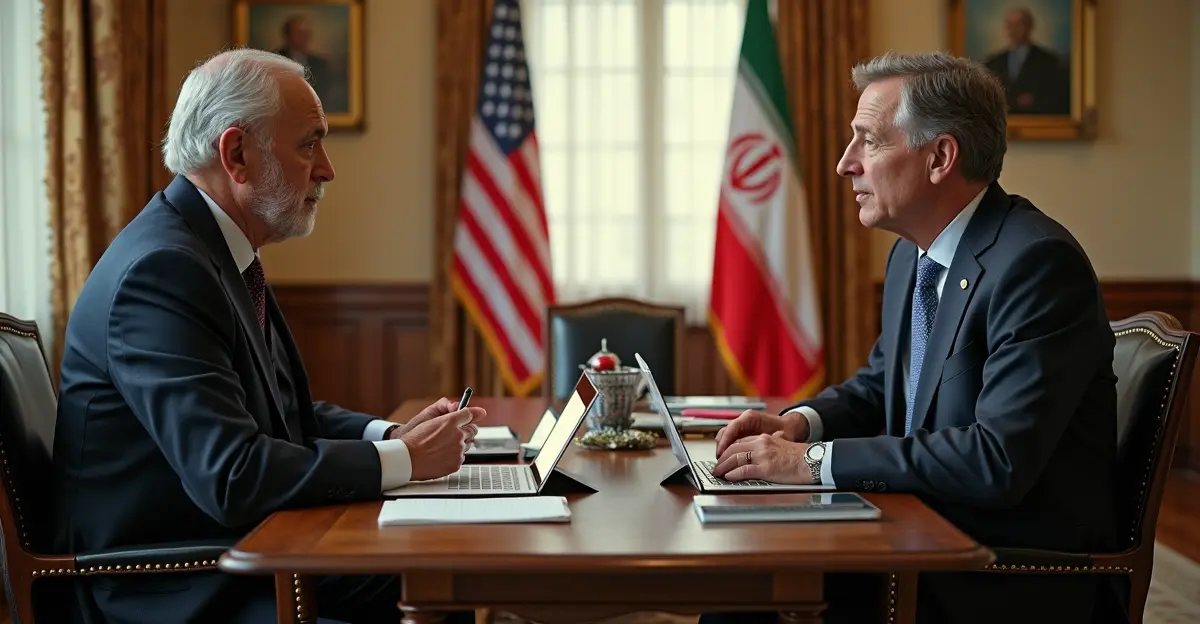
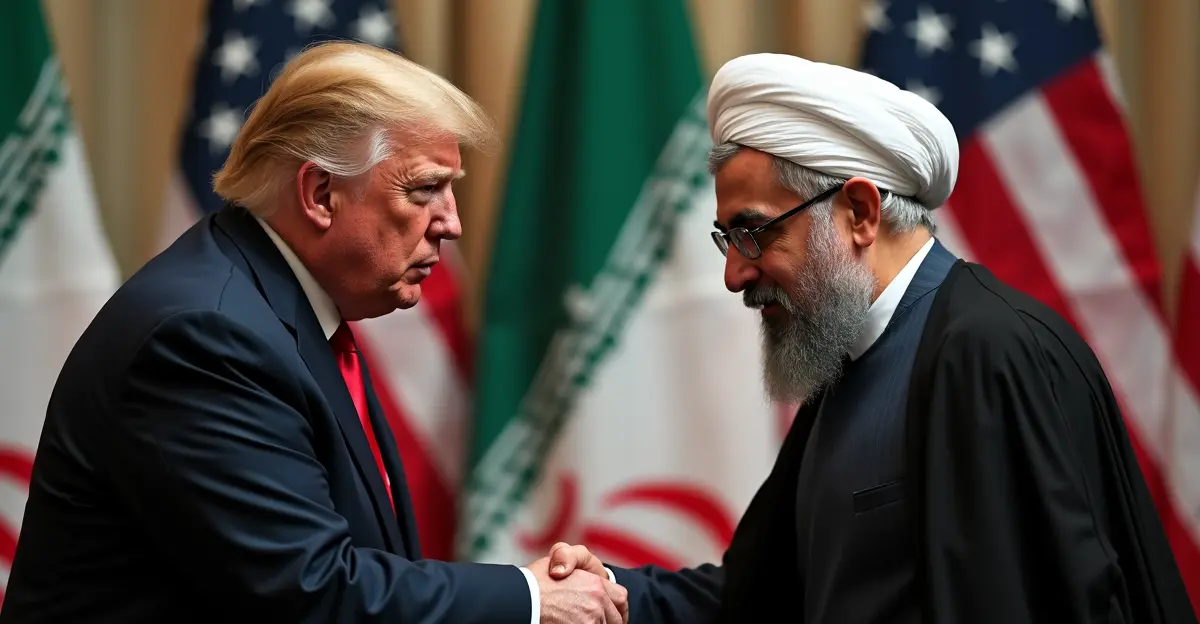
The core obstacle remains Iran's nuclear program. The US insists on complete dismantlement of enrichment capabilities, while Iran demands the right to peaceful enrichment under the NPT. Tehran's latest proposal—delivered via Pakistani mediators—would reopen the Strait of Hormuz and end the war in exchange for lifting the US blockade, but crucially postpones nuclear negotiations to a later date. Secretary of State Marco Rubio expressed skepticism, stating that Iran wants to 'buy themselves more time.'
Former lead JCPOA negotiator Wendy Sherman has warned that the Trump administration's maximalist demands and rushed approach cannot succeed. 'The 2015 deal took 18 months of painstaking negotiation,' she told NPR. 'Trust is at an all-time low, and Iran's negotiators are tenacious and meticulous. They will say no to everything to test US priorities.'
Military Options Still on the Table
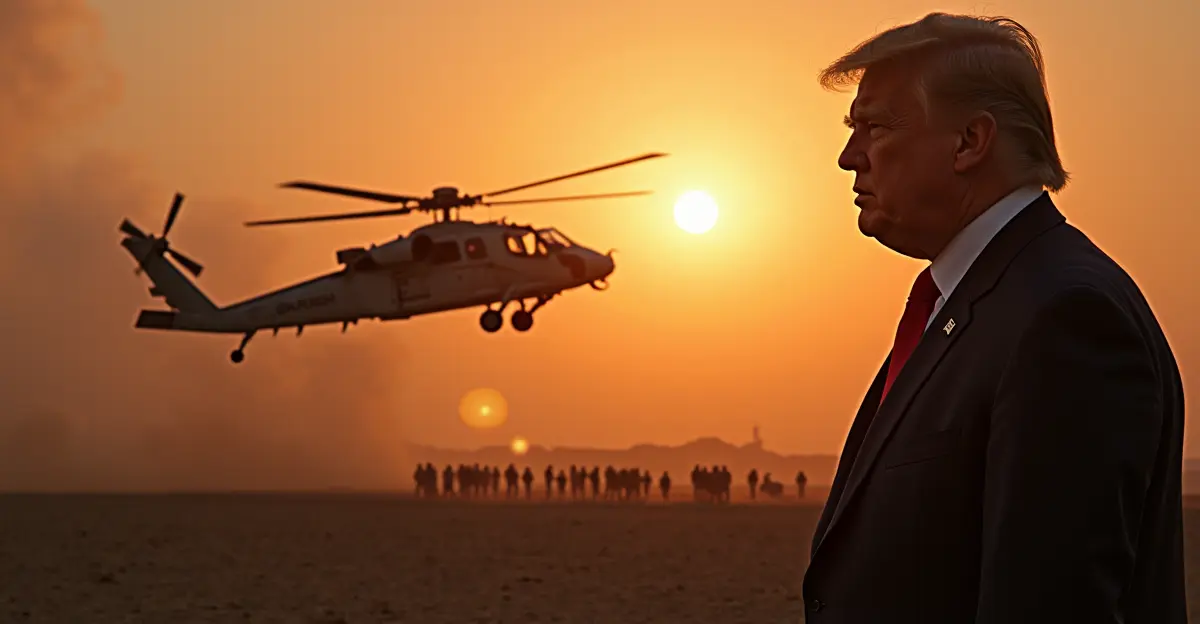
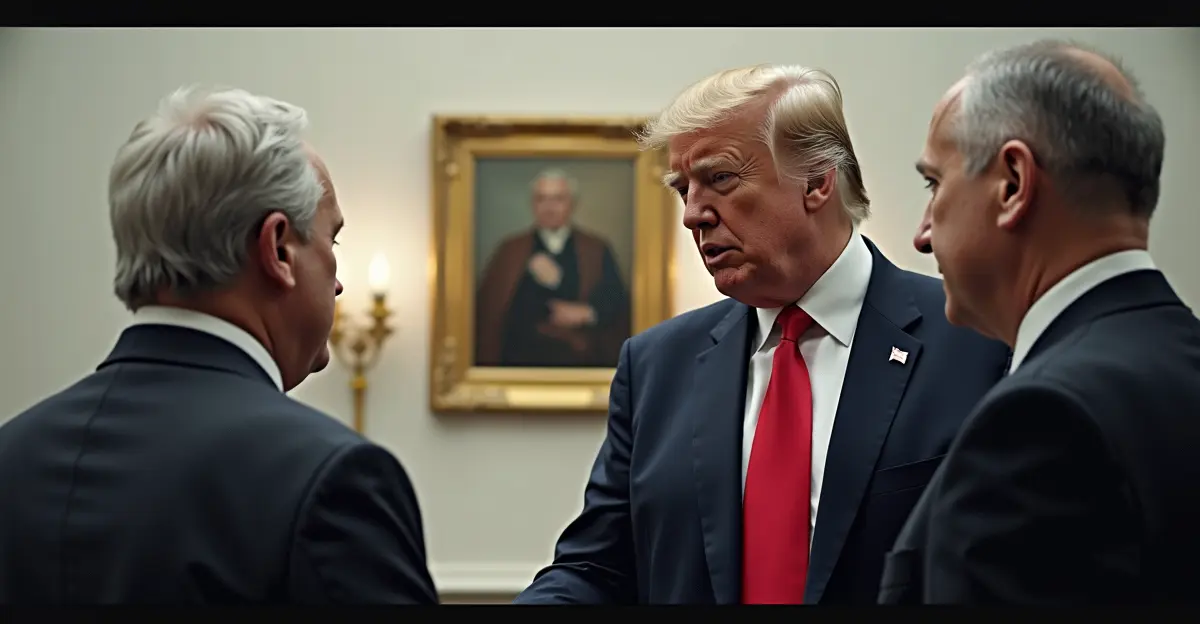
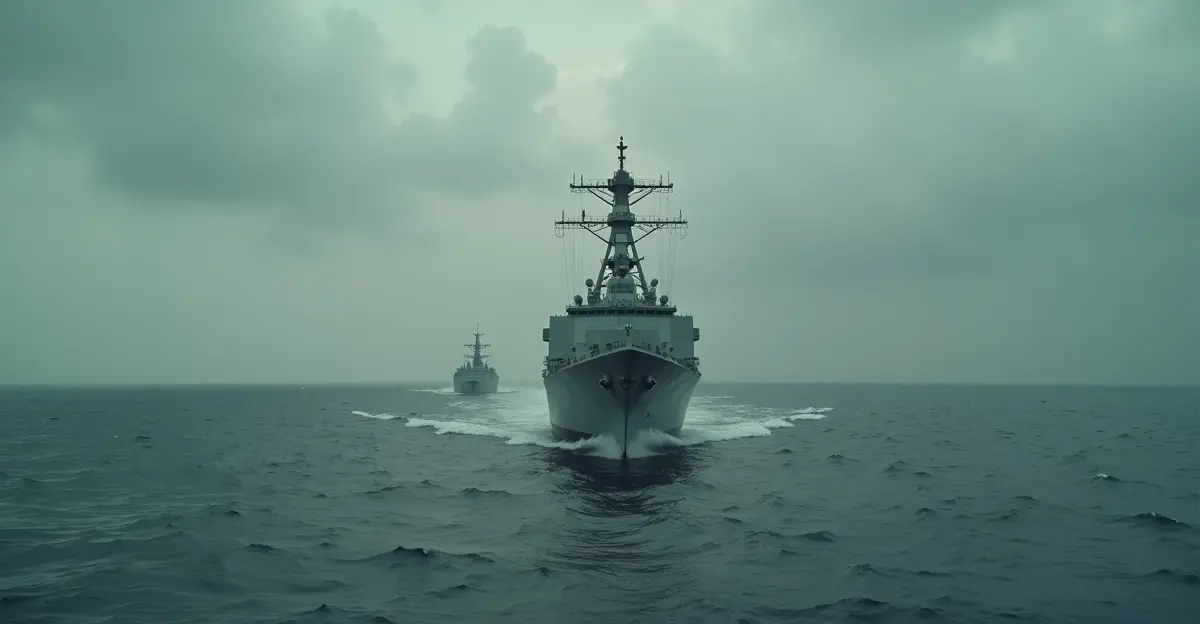
With diplomacy stalled, the threat of renewed military action looms. Anonymous sources told US media that President Trump has been briefed by generals on new strike plans. A 'short and powerful' wave of attacks is being considered to break the negotiating deadlock. Israel, which seeks regime change in Iran, is also preparing for further military action and is reportedly pressuring Trump not to accept any deal.
However, the effectiveness of additional strikes is questionable. Iran's nuclear and missile programs have been severely damaged, but the regime remains firmly in power, and the location of Iran's stockpile of highly enriched uranium remains unknown. The Strait of Hormuz has proven to be Iran's most powerful leverage, and Iran's Strait of Hormuz strategy has effectively weaponized global energy markets.
Mediation Efforts and the Path Forward
Pakistan, Egypt, Saudi Arabia, and Turkey are attempting to mediate behind the scenes, but none of them can remove the fundamental obstacles, according to Vaez. Iran's foreign minister has engaged in shuttle diplomacy in Russia, Oman, and Pakistan, while Russia has proposed its own resolutions to the nuclear impasse. The EU has expanded sanctions on Iran over freedom of navigation breaches, while Britain and France have committed to a defensive military force to reopen the Strait, contingent on a ceasefire.
Vaez believes that Iran is ultimately willing to reach a compromise, but the right conditions must first emerge. 'Trump needs to set aside his maximalist demands and treat the Iranians with some respect,' he says. 'The biggest obstacle is that Trump wants to humiliate and defeat Iran.'
As the standoff enters its third month, the question remains: who will blink first? With Iran's leadership showing no signs of backing down and US political pressure mounting, the world watches anxiously for the next move in this high-stakes US Iran nuclear crisis.
Frequently Asked Questions
Why are US-Iran negotiations stalled?
The negotiations are stuck primarily over Iran's nuclear program. The US demands complete dismantlement of enrichment capabilities, while Iran insists on its right to peaceful enrichment. Additionally, Iran has demanded that the US lift its naval blockade before nuclear talks can proceed, a condition Trump rejects.
How has the conflict affected global oil prices?
Oil prices have surged to a four-year high above $126 per barrel due to the closure of the Strait of Hormuz, through which about 20% of global oil passes. US gasoline prices have exceeded $4.30 per gallon, and European nations face major fuel shortages by mid-May.
Can Iran's economy survive the US blockade?
While Iran's economy is under severe strain—with the rial at record lows, 53% inflation, and oil exports down 45%—experts believe the regime can outlast the US. Iran uses most of its oil domestically, can easily reduce production without damaging capacity, and has a history of shifting economic pain onto its population.
What role are mediators playing?
Pakistan, Egypt, Saudi Arabia, and Turkey are mediating between the two sides. Pakistan hosted the first round of talks in Islamabad in April, which lasted over 20 hours but failed to yield an agreement. Russia has also proposed resolutions, while European nations are working on a separate track to reopen the Strait of Hormuz.
Could military action resume soon?
Yes. US generals have prepared plans for a 'short and powerful' wave of strikes to break the deadlock, and Israel is preparing for further military action. However, experts question whether additional bombing would be effective given that Iran's nuclear materials remain unaccounted for and the regime remains firmly in power.
Follow Discussion