


 Deutsch
 English
 Español
 Français
 Nederlands
 Português


 Share
Share




What is Trump's Iran War Strategy?
As the Iran conflict enters its second month in April 2026, President Donald Trump faces critical decisions about military escalation. Despite his claim that he could end the war in 'two to three weeks,' military experts warn that a large-scale ground invasion of Iran is highly unlikely. The primary challenge lies in defining clear political objectives, with experts like Gijs Tuinman, former Dutch State Secretary of Defense and military expert, emphasizing that 'war is the continuation of politics with other means.' This analysis examines the realistic options available to the Trump administration as tensions escalate in the Persian Gulf region.
Why a Large-Scale Invasion Isn't Feasible
Military analysts universally dismiss the possibility of a Desert Storm-style invasion involving hundreds of thousands of troops. Gijs Tuinman explains: 'The first option is an invasion on the scale of Desert Storm in 1991. That capacity simply doesn't exist in the region. It's not going to happen.' The logistical challenges of deploying and sustaining a massive ground force in Iran's mountainous terrain, combined with the political and economic costs, make this option unrealistic. The U.S. has deployed approximately 10,000 additional troops to the Middle East, but this falls far short of the half-million soldiers involved in the 1991 Gulf War.
The Political Reality: Domestic Opposition and Economic Costs
Domestic politics play a crucial role in limiting Trump's military options. Recent polls show that 60% of Americans oppose the war, creating significant political pressure as midterm elections approach. The conflict already costs the U.S. approximately $11.3 billion weekly, with Defense Secretary Pete Hegseth requesting an additional $200 billion in funding. Tuinman notes: 'Every extra military step means more risk of American casualties. That domestic politics plays a big role for Trump.' This political reality makes large-scale military operations increasingly difficult to justify.
Realistic Military Options for the Trump Administration
Option 1: Seizing Kharg Island
The most frequently discussed limited ground operation involves capturing Kharg Island, Iran's primary oil export terminal that handles 90% of the country's oil exports. This strategic move would aim to cut off Iran's main revenue source and provide leverage in negotiations to reopen the Strait of Hormuz. However, military experts warn this operation would be extremely risky due to Iran's defensive preparations, including minefields and close-quarters combat scenarios. The Strait of Hormuz crisis has already pushed global oil prices above $100 per barrel, making this option economically sensitive.
Option 2: Special Operations Against Nuclear Facilities
Another limited option involves deploying Special Operations Forces to target Iran's nuclear program. Iran has enriched uranium to 60% purity—far beyond civilian energy needs and approaching weapons-grade levels. A targeted operation could aim to seize or destroy enriched uranium stockpiles. However, Tuinman cautions: 'Technically it's feasible for the Americans, but in practice you almost certainly need help from inside Iran.' This would require intelligence cooperation from Iranian sources, making it a complex and risky proposition.
Option 3: Securing the Strait of Hormuz
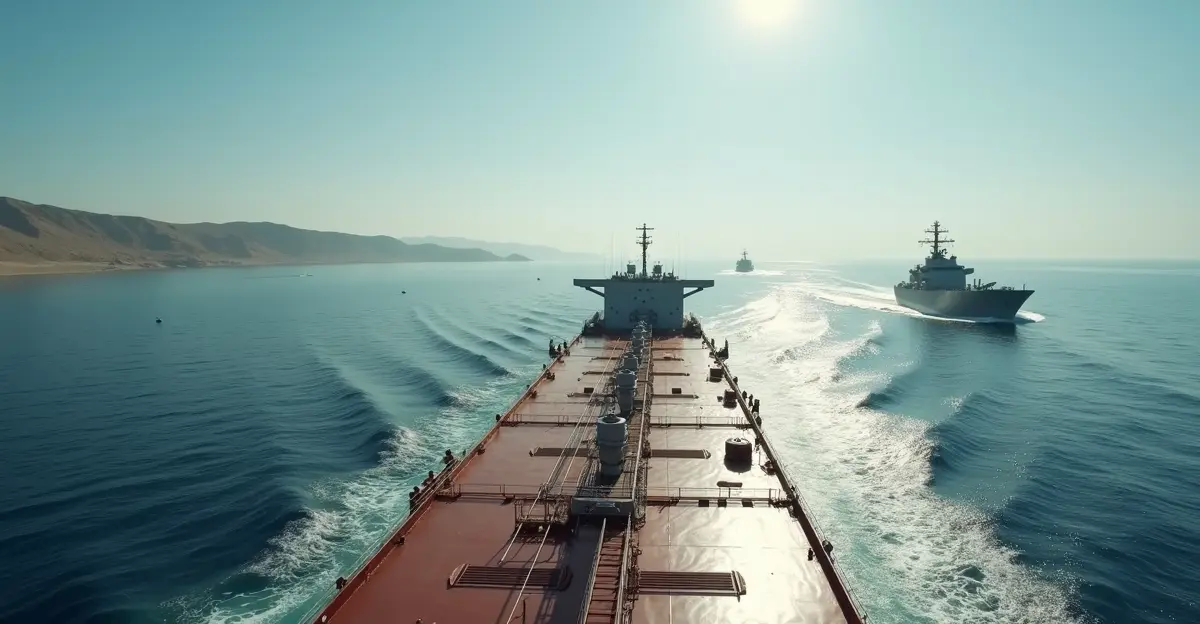
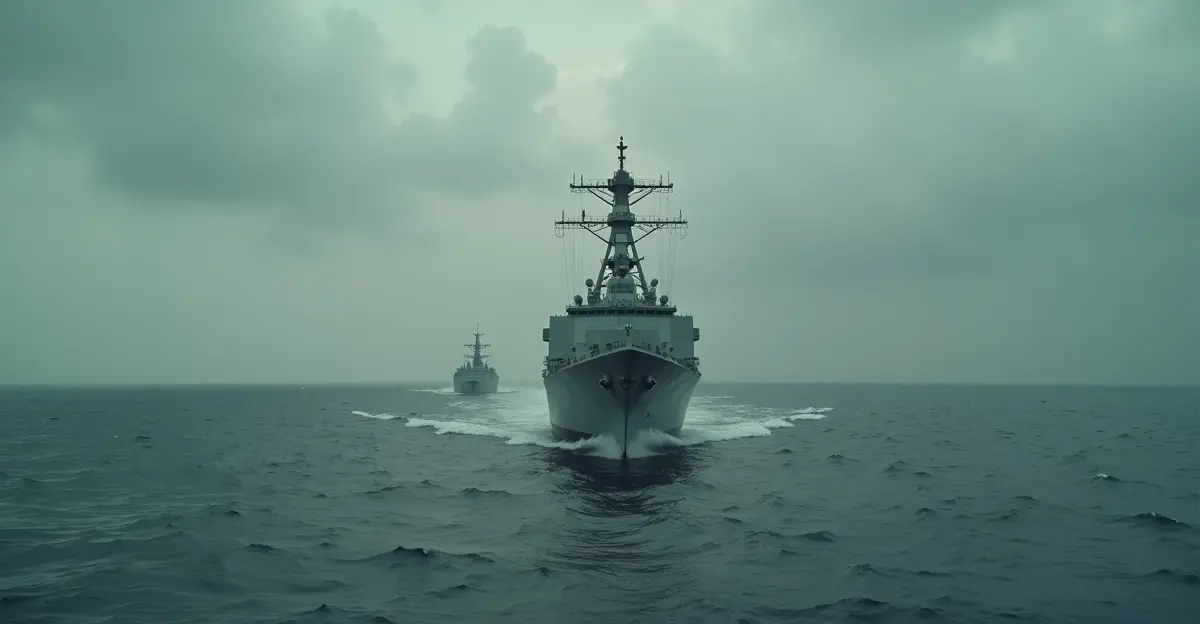
The U.S. could attempt to forcibly reopen the Strait of Hormuz through naval operations, potentially seizing strategic islands within the strait itself. This would involve extensive minesweeping operations and air support, possibly requiring allied assistance. However, Iran has threatened to 'carpet bomb its own territory' to kill American soldiers, making any ground presence extremely dangerous. The Middle East military strategy must account for these asymmetric threats.
The Negotiation Imperative
Despite Trump's aggressive rhetoric about bringing Iran 'back to the Stone Age,' experts emphasize that any sustainable resolution will require negotiations. Tuinman states: 'Iran listens too. If you want to end that war, you'll eventually have to give them something or signal something.' The most likely outcome involves a negotiated settlement where Iran agrees to surrender its enriched uranium stockpiles in exchange for sanctions relief and security guarantees. Tuinman explains the nuclear knowledge dilemma: 'You can't reverse that knowledge: what you once know, you can't 'forget.''
Regional and Global Implications
The Iran conflict has already created significant regional instability, with Houthi forces in Yemen entering the conflict and potentially threatening the Bab-el-Mandeb strait. Global economic impacts include disrupted fertilizer supplies threatening food security and energy market volatility. The conflict has also strained U.S. military resources, with 'Operation Epic Fury' reportedly firing 850 Tomahawk missiles—the most in any single campaign—creating inventory concerns. These broader consequences further limit Trump's escalation options.
FAQ: Trump's Iran War Options
What are Trump's main military options in Iran?
Trump has three main limited options: seizing Kharg Island to cut off Iran's oil revenue, deploying Special Operations Forces against nuclear facilities, or securing the Strait of Hormuz through naval operations. A large-scale invasion is not considered feasible.
Why can't Trump launch a major ground invasion?
Logistical challenges, domestic political opposition (60% of Americans oppose the war), economic costs ($11.3 billion weekly), and the lack of clear political objectives make a large-scale invasion unrealistic.
What is the strategic importance of Kharg Island?
Kharg Island handles 90% of Iran's oil exports, making it Iran's economic lifeline. Seizing it could provide leverage in negotiations but carries high military risks.
How does Iran's nuclear program factor into military planning?
Iran has enriched uranium to 60% purity, approaching weapons-grade levels. Targeting these facilities could delay nuclear development but requires precise intelligence and carries escalation risks.
What role do negotiations play in ending the conflict?
Experts agree that any sustainable resolution requires negotiations, likely involving Iran surrendering enriched uranium in exchange for sanctions relief and security guarantees.
Follow Discussion