


 Deutsch
 English
 Español
 Français
 Nederlands
 Português


 Share
Share




Despite Repeated Trump Claims, Iran Deal Remains Elusive
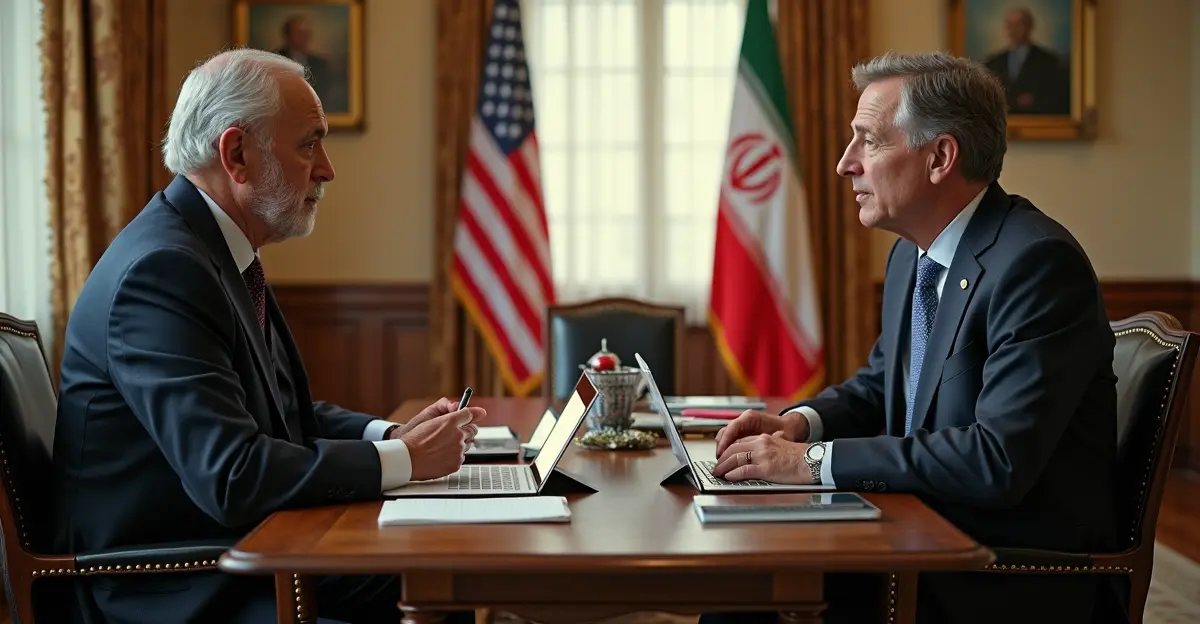
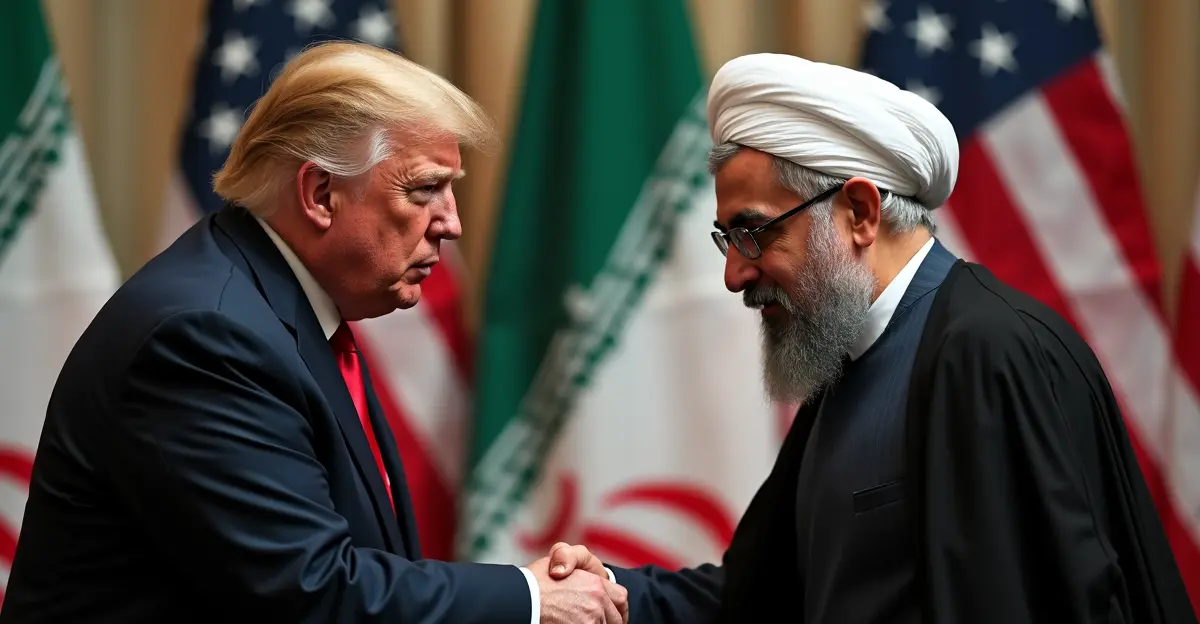
Despite President Donald Trump's repeated assertions that a deal with Iran is imminent, negotiations remain deadlocked as of June 2026. According to CNN, Trump has claimed at least 38 times since March 23 that an agreement was close, but experts say fundamental differences and a lack of trust keep both sides far apart. The US-Iran conflict 2026 continues to simmer under a fragile temporary ceasefire.
Background: A Conflict of Attrition
The US and Iran have been locked in a direct military conflict since early 2026, though a temporary ceasefire was agreed in May. However, both sides continue low-level attacks—described by analysts as 'fighting with the brakes on'—to avoid derailing potential negotiations. The core issues include Iran's nuclear program, US sanctions, and the naval blockade of the Strait of Hormuz.
Trump's 38 Claims of a 'Close Deal'
CNN's tally shows Trump has publicly stated a deal was near on 38 occasions since March 23, 2026. On June 10, he said Iran had 'taken too long to approve a deal that would have been good for them' and threatened new strikes on Iranian power plants. Experts view these threats as attempts to pressure Tehran, but they have had little effect.
Why Negotiations Are Stalled
According to Youri Verschoor, a researcher at the Clingendael Institute, the two sides cannot even agree on pre-negotiation terms. The US refuses to lift the naval blockade of the Strait of Hormuz, while Iran demands its end as a precondition. Iran also wants frozen assets released, but Washington insists on nuclear guarantees first.
André Gerrits, emeritus professor of International Studies at Leiden University, argues the US miscalculated by believing bombing would force Iranian capitulation. 'The Iranian regime shows that although its leadership has been bombed out, there is no indication they have changed course,' he said. The regime has endured decades of sanctions and remains resilient.
Iran's Leverage: The Axis of Resistance
Iran retains options to pressure the US, including further restricting the Strait of Hormuz, using Houthi allies to block the Bab el-Mandeb strait, or deploying its 'Axis of Resistance' network against American targets. This Iran Axis of Resistance strategy gives Tehran significant bargaining power despite military inferiority.
Impact and Implications
The prolonged stalemate leaves Trump with an unpopular war from which he cannot easily exit. Gerrits suggests the only viable path is negotiating a nuclear deal—similar to the 2015 JCPOA—backed by a credible military threat. Another possibility is internal Iranian unrest forcing leadership changes, but that remains uncertain.
The 2026 Iran war outlook suggests no quick resolution. As long as both sides maintain maximalist positions, a comprehensive deal remains distant.
Frequently Asked Questions
Why does Trump keep saying a deal with Iran is close?
Trump's repeated claims may be an attempt to project progress and pressure Iran, but experts say they do not reflect reality on the ground.
What is the current status of US-Iran negotiations?
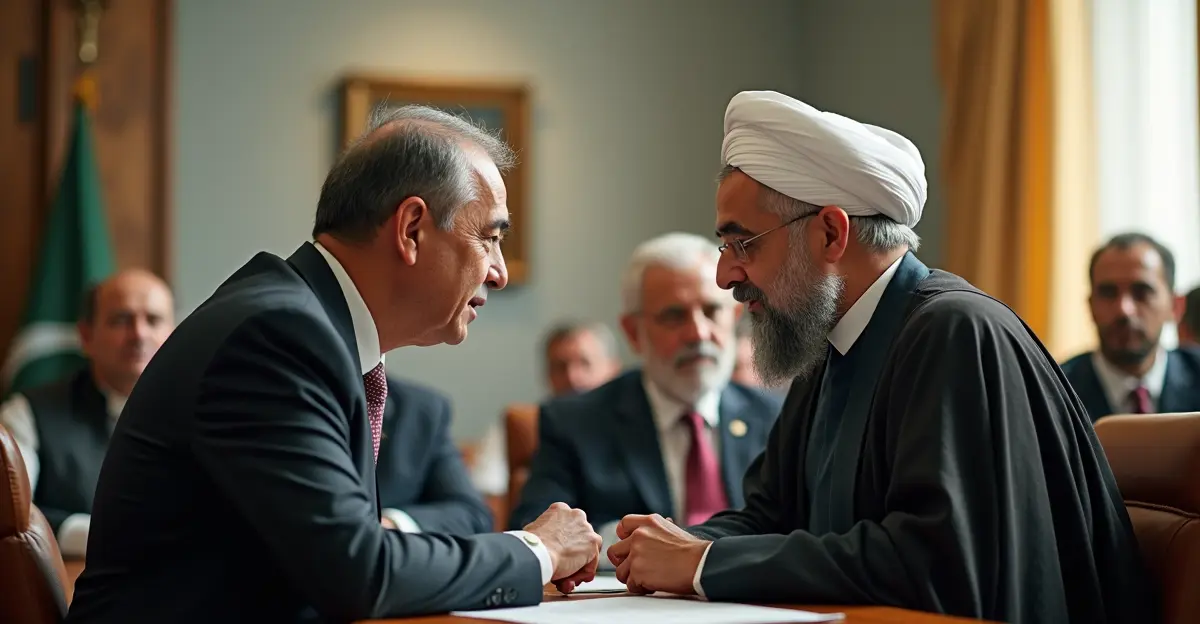
Backchannel talks via Pakistani mediators are ongoing, but they focus only on the framework for future negotiations, not substantive issues.
What are the main obstacles to a deal?
The US blockade of the Strait of Hormuz, Iran's nuclear program, frozen assets, and mutual distrust are the key sticking points.
Could the ceasefire lead to a permanent peace?
Unlikely, as both sides continue low-level attacks and have not agreed on core terms for a lasting truce.
What options does Iran have to counter US pressure?
Iran can disrupt global oil shipments via the Strait of Hormuz, use proxy forces, and leverage its nuclear program to force concessions.
Follow Discussion