


 Deutsch
 English
 Español
 Français
 Nederlands
 Português


 Share
Share




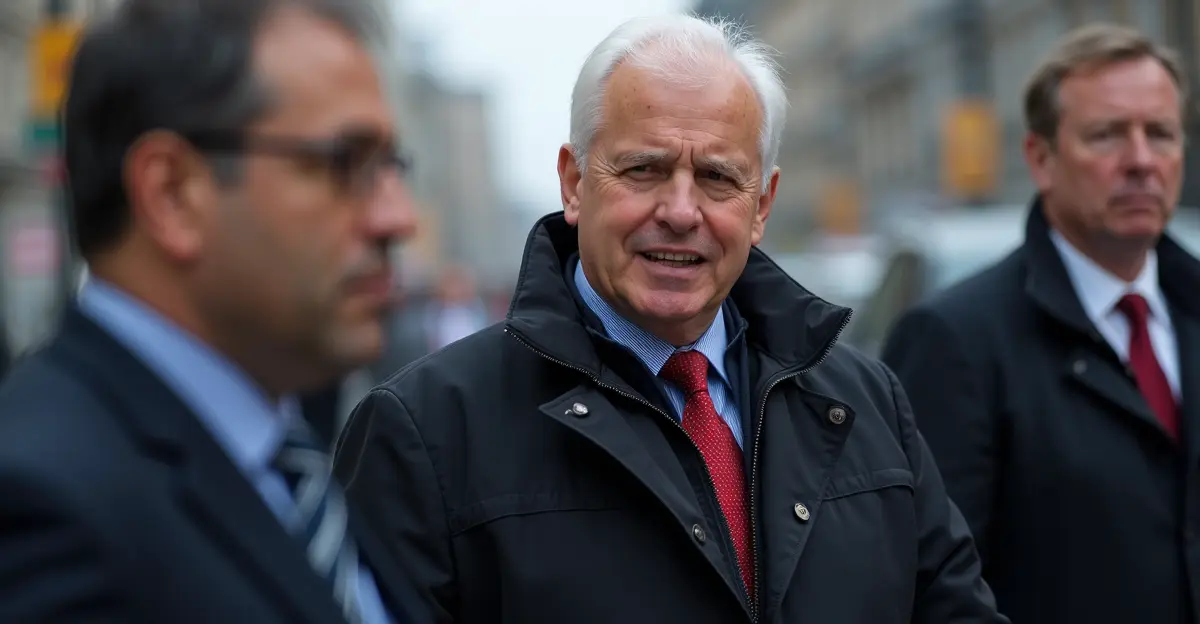
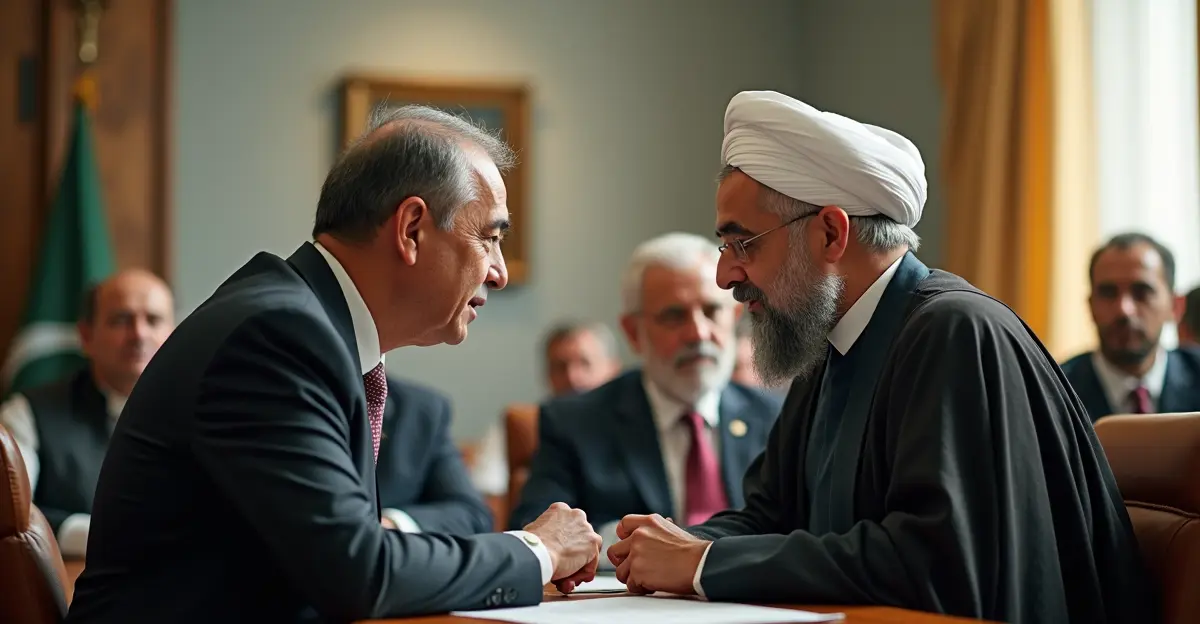
Negotiations between Iran and the United States have reached a critical juncture, with a potential agreement appearing increasingly likely — yet the fate of Iran's uranium enrichment program remains the most formidable sticking point. US Vice President JD Vance told reporters in Washington that the two sides are 'not there yet, but very close' to finalizing a deal, though key details surrounding Tehran's enriched uranium stockpile and the future of enrichment activities have yet to be resolved.
What Is the Current Iran-US Deal Framework?
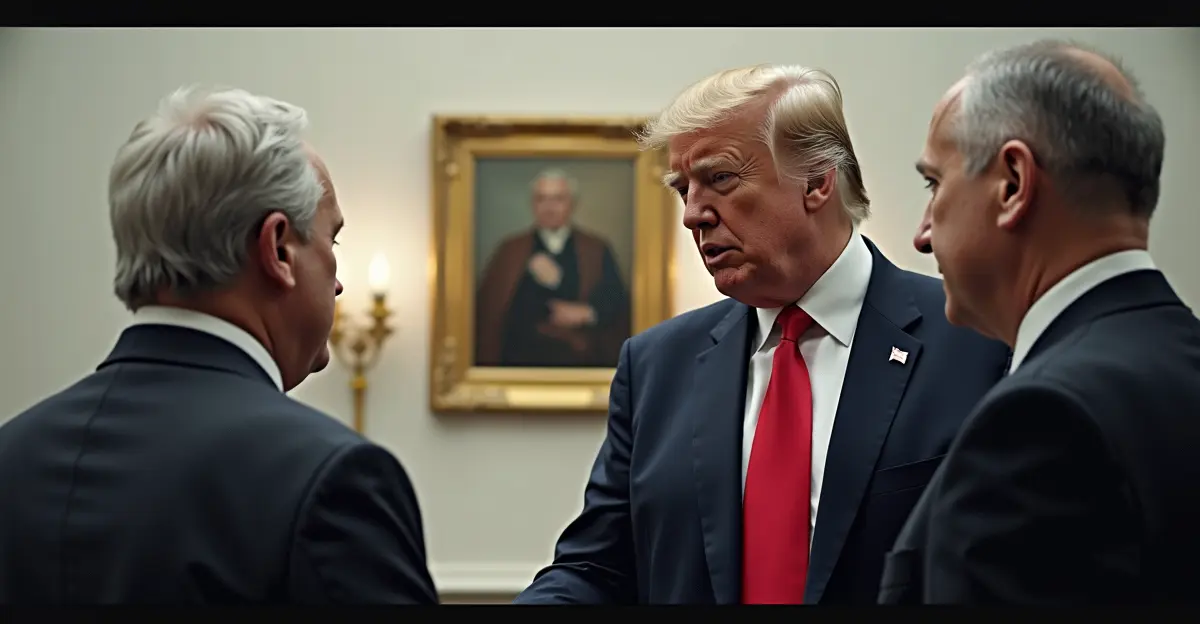
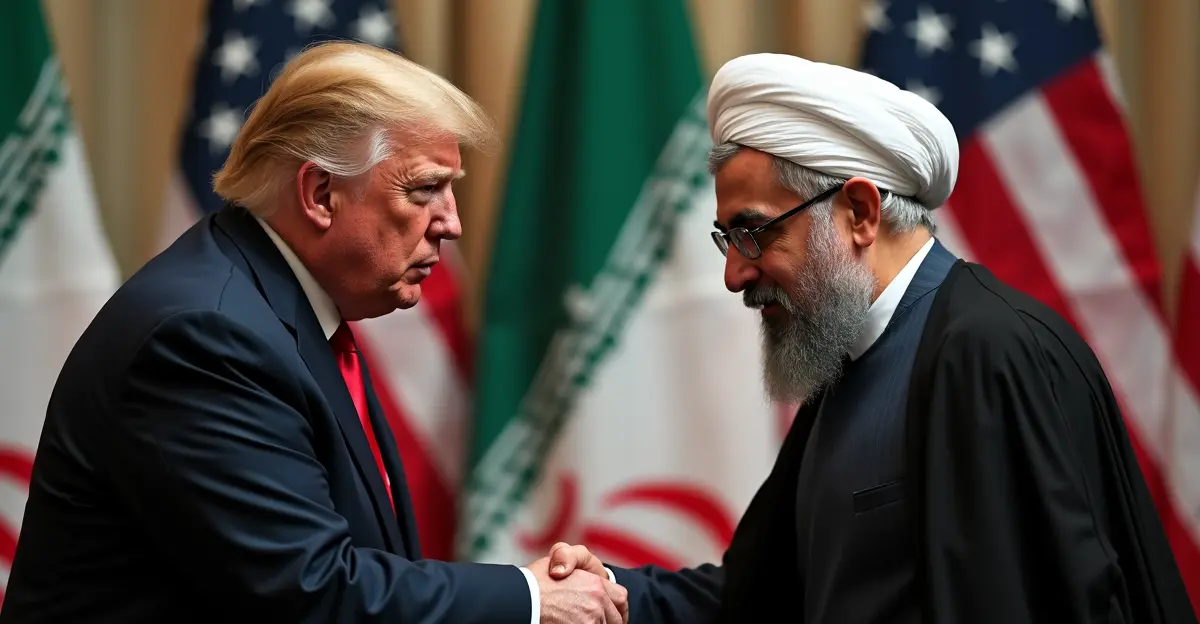
The emerging agreement between Iran and the United States builds on a fragile ceasefire that took effect on April 8, 2026, following months of military conflict that included US-Israeli airstrikes on Iranian nuclear facilities, Iranian missile attacks on US allies, and the closure of the Strait of Hormuz — a critical chokepoint through which roughly one-fifth of the world's oil passes. The proposed Memorandum of Understanding (MOU), which President Donald Trump has not yet signed, would extend the ceasefire by 60 days and establish a phased framework for de-escalation.
According to analysts cited by BNR, the deal on the table includes a 60-day ceasefire extension, during which Iran would have 30 days to clear mines from the Strait of Hormuz. In return, the United States would lift its naval blockade of the strategic waterway. The 2026 Iran war ceasefire framework, mediated by Pakistan, has held despite intermittent violations from both sides.
Uranium Enrichment: The Core Obstacle
While both parties agree that Iran should not possess nuclear weapons — and the International Energy Agency (IEA) confirms Iran currently has none — the question of uranium enrichment remains unresolved. Iran holds approximately 440.9 kg of uranium enriched to 60% purity, according to IAEA data. Only 42 kg of weapons-grade (90%) uranium is needed for a single nuclear device, meaning 99% of the enrichment work required for weaponization has already been completed.
What Has Been Agreed on Enriched Uranium?
Reports indicate that Iran has agreed in principle to dispose of its highly enriched uranium stockpile. CBS News reported that a senior Trump administration official confirmed Iran's willingness to down-blend or export its 60% enriched material. However, the exact mechanism, timeline, and verification procedures have not been finalized. The Iran nuclear program IAEA inspections remain a critical component of any credible agreement, especially after Iran terminated IAEA access on February 28, 2026, disabling surveillance cameras and removing seals.
Why Is Enrichment Such a Difficult Issue?
Iran insists on its right to enrich uranium for civilian energy purposes under the Nuclear Non-Proliferation Treaty (NPT). The US position, however, demands strict limits on enrichment levels and stockpile sizes to prevent a rapid 'breakout' scenario — the time needed to produce weapons-grade material. Before the 2026 conflict, Iran's breakout timeline was estimated at just 7-10 days, down from 12 months under the 2015 JCPOA. The US aims to push that timeline back to at least several months.
Strait of Hormuz and Economic Implications
The Strait of Hormuz blockade has had severe global economic consequences. The EIA estimates that 7.5 million barrels per day (b/d) of oil production were shut in during March 2026, rising to 9.1 million b/d in April. Brent crude prices surged past $100 per barrel in March, peaking at $126, representing the largest monthly oil price increase in history. Retail gasoline in the US is forecast to peak near $4.30 per gallon in April 2026.
The MOU reportedly includes provisions for toll collection by Iran in the Strait of Hormuz — a point of contention. The US has pressured Oman to resist any Iranian toll demands. Under the draft agreement, shipping through the strait would become unrestricted, with Iran removing all mines within 30 days and the US naval blockade lifted proportionally.
What Are the Remaining Obstacles?
Vance identified several unresolved issues: the precise disposition of Iran's enriched uranium stockpile, the future of enrichment activities, and 'a couple of language points' in the MOU. Treasury Secretary Scott Bessent noted 'the makings of a deal' but emphasized that Trump's red lines have not yet been fully met. The 2025 Strait of Hormuz crisis demonstrated how quickly tensions can escalate when diplomatic channels fail.
Despite the ceasefire, isolated attacks continue. Iranian media reported that a US drone was shot down near Bushehr overnight. Both sides maintain that these incidents do not constitute a breach of the ceasefire. As analyst Kenkhuis noted: 'As long as both parties view the ceasefire as holding, it is, by definition, still in effect.'
Frequently Asked Questions
Is the Iran-US deal finalized?
No. While negotiations have made significant progress, President Trump has not yet signed the Memorandum of Understanding. Both sides describe the deal as close but not complete.
What happens to Iran's enriched uranium under the deal?
Iran has agreed in principle to dispose of its 60% enriched uranium stockpile, but the specific disposal method, timeline, and verification measures are still under negotiation.
How long would the ceasefire last?
The proposed MOU extends the current ceasefire by 60 days. During this period, Iran has 30 days to clear mines from the Strait of Hormuz, after which the US would lift its naval blockade.
Will Iran be allowed to continue enriching uranium?
This remains the central unresolved question. Iran insists on its right to enrich for civilian purposes, while the US demands strict limits to prevent a rapid nuclear breakout.
How has the conflict affected global oil prices?
Brent crude peaked at $126 per barrel in March 2026, the largest monthly increase in history. The Strait of Hormuz blockade shut in over 9 million b/d of production at its height.
Sources
This article is based on reporting from BNR, CBS News, the New York Times, the International Atomic Energy Agency (IAEA), the US Energy Information Administration (EIA), and statements from US Vice President JD Vance and Treasury Secretary Scott Bessent.
Follow Discussion