


 Deutsch
 English
 Español
 Français
 Nederlands
 Português


 Share
Share




Iran Halts IAEA Inspections Following Military Strikes
Iran has officially suspended all cooperation with the International Atomic Energy Agency (IAEA), according to state media reports. President Masoud Pezeshkian ordered the move in response to large-scale attacks by Israel and the United States on Iranian nuclear facilities throughout June.
Military Operations Against Nuclear Sites
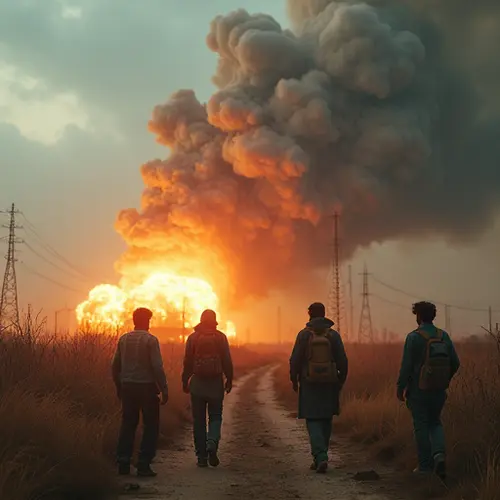
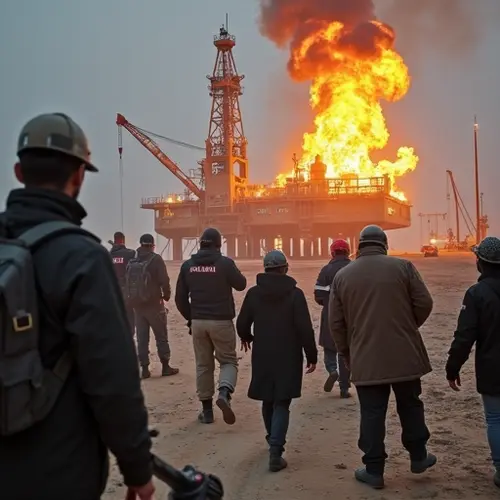
The coordinated strikes began on June 13 with Israeli air raids, culminating in major U.S. bombardments targeting three nuclear complexes. These attacks represented the most significant military action against Iran's nuclear infrastructure in years.
Parliamentary and Institutional Backing
Iran's parliament, dominated by hardline conservatives, unanimously approved the suspension days before the presidential announcement. The influential Guardian Council, composed of clerics and jurists, subsequently endorsed the decision. Prior to the attacks, IAEA inspectors had maintained monitoring activities under the 2015 Joint Comprehensive Plan of Action (JCPOA).
Background: Nuclear Deal Breakdown
The JCPOA had established strict limitations on Iran's uranium enrichment activities in exchange for sanctions relief. The agreement unraveled in 2018 when then-U.S. President Donald Trump unilaterally withdrew. In the days preceding the June attacks, the IAEA had issued unusually harsh criticism of Iran's lack of transparency regarding its nuclear activities.
Uncertain Future for Nuclear Monitoring
IAEA Director General Rafael Grossi acknowledged significant damage to Iran's nuclear program but noted Tehran retains sufficient technical capacity for rapid reconstruction. Iranian officials claim they relocated enriched uranium before the attacks and minimized damage. The duration of Iran's cooperation suspension remains unclear, as does the status of IAEA inspectors currently in the country.
Geopolitical Implications
Critics warn the military strikes may accelerate Iran's nuclear ambitions by demonstrating the ineffectiveness of diplomatic engagement. The suspension marks a new low in Iran's relationship with the international nuclear watchdog amid heightened regional tensions.




Follow Discussion