


 Deutsch
 English
 Español
 Français
 Nederlands
 Português


 Share
Share




What is the US-Iran One-Page Peace Proposal?
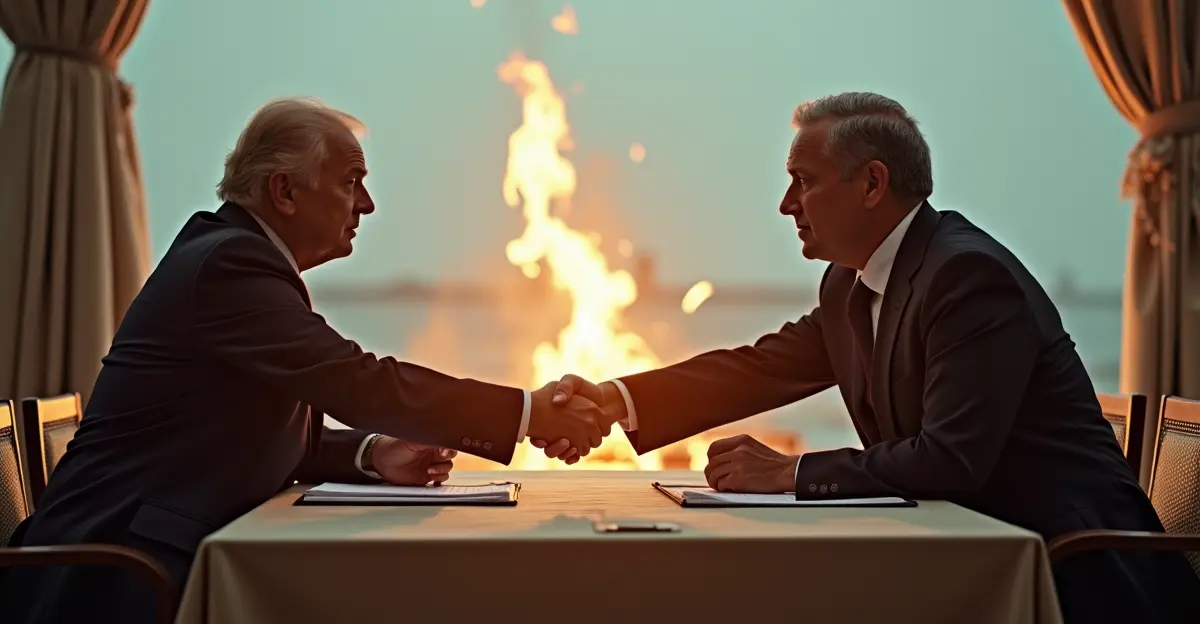
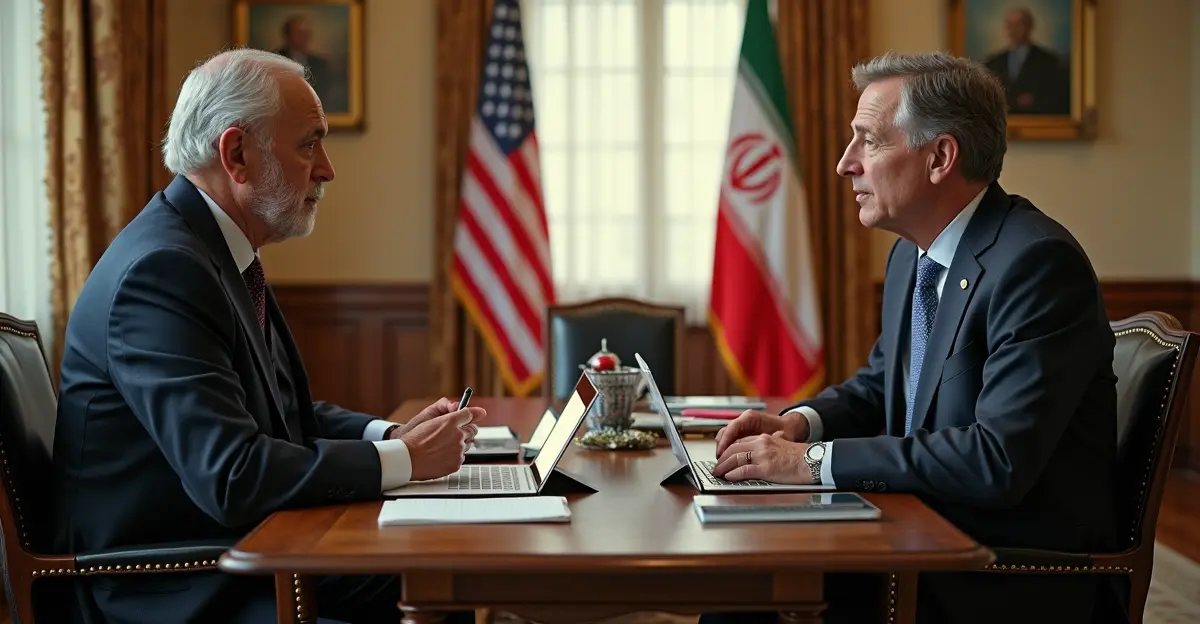
The United States and Iran are reportedly on the verge of signing a historic one-page memorandum of understanding (MOU) that could end the devastating 2026 Iran war. According to a report by Axios, the White House believes it is close to an agreement with Tehran on a 14-point framework document that would halt hostilities and set the stage for 30 days of detailed negotiations on nuclear issues, sanctions relief, and the reopening of the Strait of Hormuz.
A Pakistani source involved in the mediation told Reuters: 'We will finalize this very soon. We are almost there.' The US expects Iranian responses on key points within the next 48 hours, though nothing has been formally agreed yet. Sources say the two sides have never been closer to a deal since the war began on February 28, 2026.
Background: The 2026 Iran War
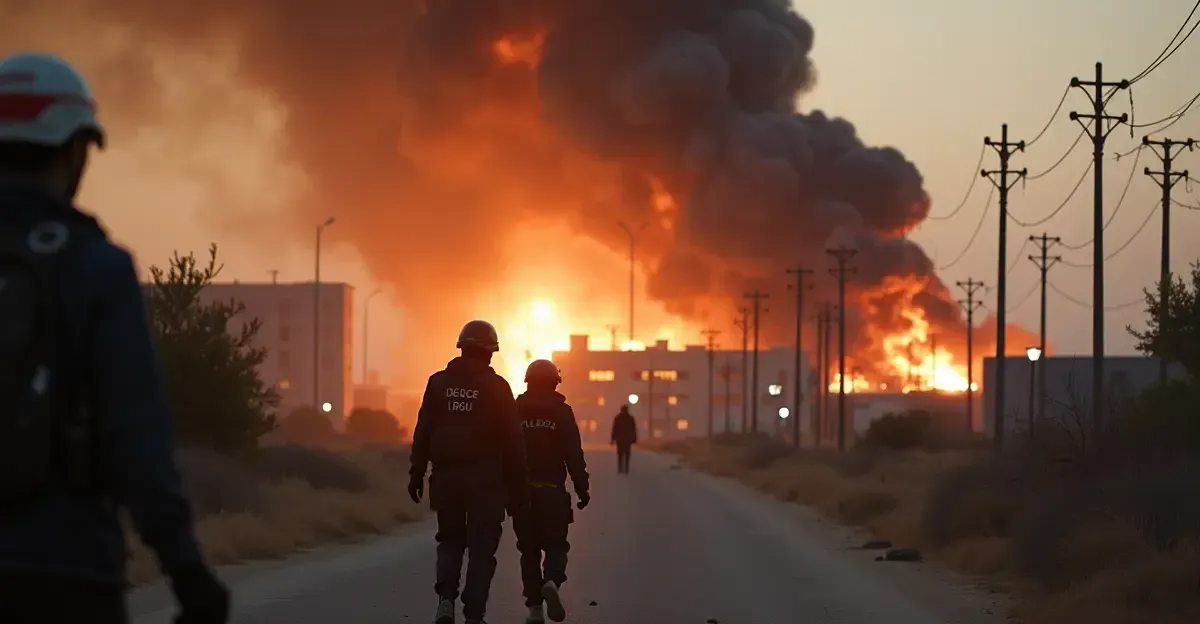
The conflict erupted when the US and Israel launched coordinated airstrikes against Iran, targeting military installations, nuclear facilities, and command centers. The strikes killed Supreme Leader Ali Khamenei and dozens of senior commanders. Iran retaliated with ballistic missile and drone attacks on Israel, US bases in the Gulf, and allied Arab states. The 2026 Iran war timeline shows a rapid escalation that closed the Strait of Hormuz to commercial shipping, triggering a global energy crisis.
By mid-May 2026, the war had caused massive economic damage: oil prices surged above $105 per barrel, US gas prices topped $4 per gallon, and inflation hit 3.3% annually. The Pentagon requested an additional $200 billion in funding, while Iran's economy suffered an estimated $300 billion to $1 trillion in damage.
The 14-Point Framework: Key Provisions
The one-page MOU reportedly covers 14 points addressing the core issues of the conflict. According to sources briefed on the document, the key elements include:
1. Uranium Enrichment Halt
Iran would agree to suspend its uranium enrichment activities, potentially turning over more than 900 pounds (408 kg) of enriched uranium. The US has reportedly offered to unfreeze $20 billion in Iranian assets as part of this arrangement, though President Trump has stated that no money would 'exchange hands' directly.
2. Sanctions Relief and Frozen Assets
The US would begin a phased lifting of economic sanctions and release billions in frozen Iranian funds held in overseas accounts. This mirrors elements of the 2015 JCPOA but with stricter verification mechanisms.
3. Strait of Hormuz Reopening
A critical component of the deal involves the gradual reopening of the Strait of Hormuz, through which about 20% of the world's oil passes. Iran had effectively closed the waterway by mining and threatening shipping. The US had imposed a naval blockade on Iranian ports. Under the proposed MOU, both sides would step back from these measures in a coordinated manner.
4. Ceasefire and 30-Day Negotiation Window
The MOU would formalize the fragile ceasefire that has been in place and initiate a 30-day period for detailed negotiations on a comprehensive agreement. Topics would include the full normalization of Iran's nuclear program, regional security guarantees, and the future of US military presence in the Gulf.
Pakistan's Mediation Role
Pakistan has emerged as a key mediator between Washington and Tehran. Pakistani military chief Asim Munir has shuttled between the two capitals, carrying proposals and facilitating talks in Islamabad. The first round of US-Iran talks in Pakistan lasted over 20 hours in mid-April 2026. Pakistan's role is seen as crucial given its unique relationship with both the US (a major military and economic partner) and Iran (a neighboring country with deep cultural and historical ties).
The Pakistan mediation US Iran talks have been praised by both sides. A Pakistani official told Reuters: 'We are acting as a bridge. Both sides trust us, and we are committed to seeing this through.'
Economic and Geopolitical Implications
A successful deal would have far-reaching consequences. Global oil markets, which have been in turmoil since the Strait of Hormuz closure, would stabilize. The International Energy Agency estimates that the war removed roughly 4 million barrels per day from global supply. Reopening the strait could bring oil prices back toward pre-war levels of around $70-80 per barrel.
For the US, ending the war would fulfill President Trump's campaign promise to avoid prolonged Middle Eastern entanglements. For Iran, sanctions relief and access to frozen assets could provide a lifeline for an economy battered by war and international isolation. However, hardliners in both countries remain skeptical. Iran's foreign ministry said it is 'evaluating' the 14-point proposal, and a spokesman told CNBC that no agreement has been reached yet.
The global oil supply disruption 2026 has already cost the world economy hundreds of billions of dollars. A peace deal would remove one of the biggest uncertainties facing financial markets in 2026.
What Happens Next?
The next 48 hours are critical. The US expects Iran to respond to several key points, and if accepted, the one-page MOU could be signed within days. This would trigger the 30-day negotiation period, during which experts from both sides would hammer out the technical details of uranium enrichment limits, sanctions relief schedules, and maritime security arrangements in the Gulf.
President Trump has already signaled optimism by pausing 'Project Freedom,' the temporary US naval operation to guide commercial ships through the Strait of Hormuz. A White House official said: 'We are hopeful, but cautious. The deal is not done until it's signed.'
Frequently Asked Questions
What is the one-page memo between the US and Iran?
It is a 14-point memorandum of understanding that would end hostilities in the 2026 Iran war and set a framework for 30 days of detailed negotiations on nuclear issues, sanctions, and the Strait of Hormuz.
When did the 2026 Iran war start?
The war began on February 28, 2026, when the US and Israel launched airstrikes against Iran. The conflict has since involved missile attacks, a naval blockade, and the closure of the Strait of Hormuz.
What are the key points of the proposed deal?
The deal includes a halt to Iran's uranium enrichment, US sanctions relief and release of frozen assets, gradual reopening of the Strait of Hormuz, and a 30-day negotiation window for a comprehensive agreement.
Who is mediating the US-Iran talks?
Pakistan has been the primary mediator, with military chief Asim Munir leading the diplomatic efforts. Talks have taken place in Islamabad and Tehran.
How would the deal impact oil prices?
If the Strait of Hormuz reopens and sanctions are lifted, oil prices could fall from current levels above $100 per barrel back toward $70-80, easing global inflationary pressures.

Follow Discussion