


 Deutsch
 English
 Español
 Français
 Nederlands
 Português


 Share
Share




Iran Strikes Commercial Vessels in Strait of Hormuz, Triggering Oil Price Surge
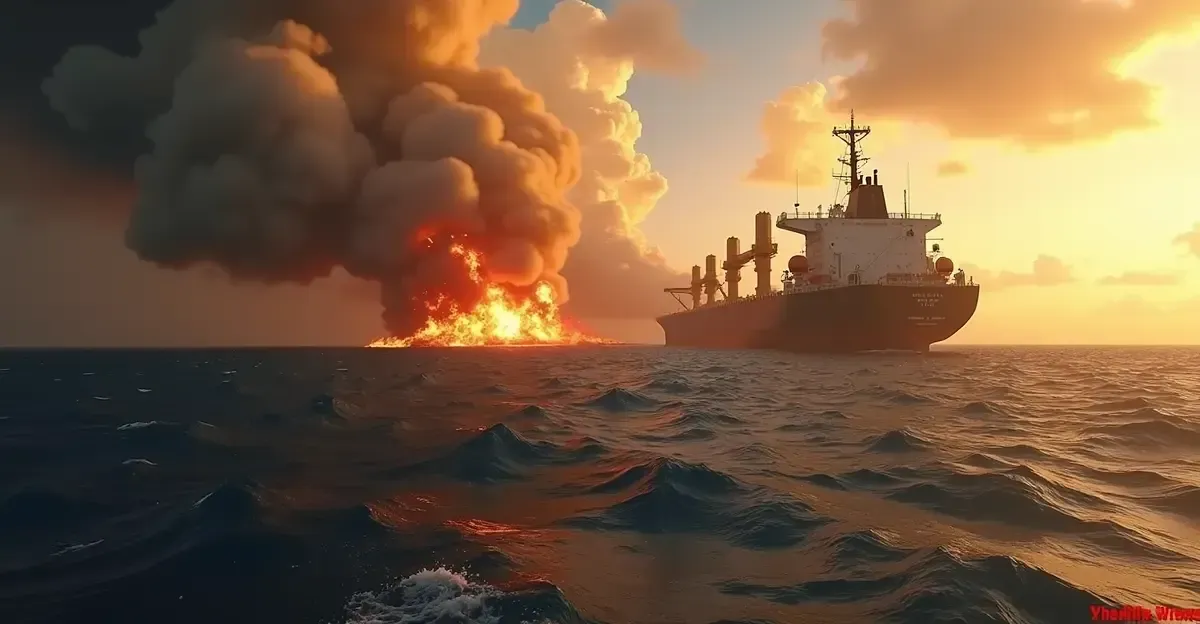
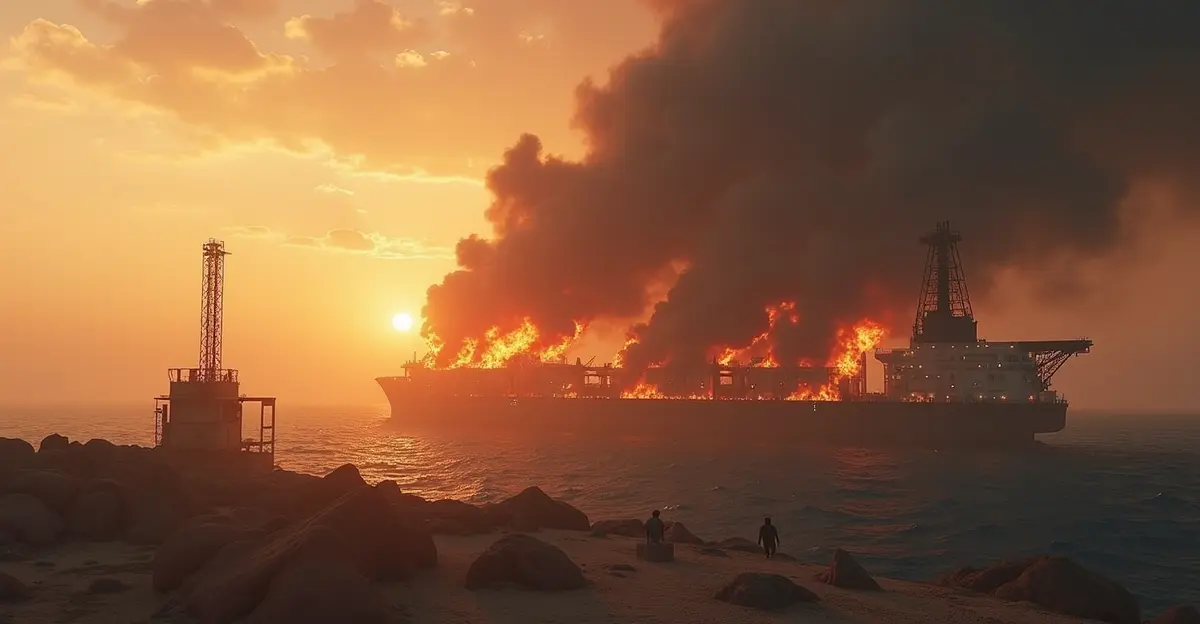
On July 6–7, 2026, Iran launched missile strikes on two commercial tankers near the Strait of Hormuz, one of the world's most critical energy chokepoints. The attacks — targeting a Qatari LNG tanker, the Al Rekayyat, and a Saudi-flagged crude oil tanker, the Wedyan — sent Brent crude futures soaring over 5% to nearly $76 per barrel and raised fears of a broader regional conflict. The incidents mark a dramatic breakdown of a fragile U.S.-Iran détente established just weeks earlier.
Details of the Attack
According to U.S. officials and the UK Maritime Trade Operations agency, Iran's Islamic Revolutionary Guard Corps (IRGC) fired at least two anti-ship missiles at commercial vessels transiting the Strait of Hormuz late Monday, July 6. The Qatari tanker Al Rekayyat was struck on its port side, causing an engine room fire and forcing the crew to evacuate. The Saudi crude tanker Wedyan also sustained significant damage. No casualties were initially reported, but the Joint Maritime Information Center raised the threat level to "severe."
Qatar's foreign ministry condemned the attack as an unacceptable violation of international law, holding Tehran "fully legally responsible." Saudi Arabia similarly denounced the strikes. The IRGC had previously warned ships to use Iranian-designated routes, stating their missiles were ready to fire.
Oil Markets React with Sharp Gains
The attacks immediately roiled global energy markets. Brent crude futures settled 3% higher at $74.16 per barrel on July 7, while U.S. West Texas Intermediate (WTI) rose 2.8% to $70.44. After-hours trading saw further gains — Brent jumped 5.6% to $76.04 and WTI climbed 5.4% to $72.25 — following the U.S. Treasury's decision to revoke a general license that had allowed Iran to sell oil. Saxo Bank analyst Ole Hansen noted, 'The attacks are bringing geopolitical risk premium back into prices, with $75 as the next target if escalation continues.'
The Strait of Hormuz handles roughly 20% of global oil traffic and about one-third of the world's LNG trade. On Tuesday, only 16 vessels transited the strait, far below the pre-conflict daily average of 125, according to shipping data.
U.S. Response and Geopolitical Fallout
The White House swiftly revoked the oil sales license granted to Iran as part of a June 2026 interim agreement that had ended Iran's three-month blockade of the strait. President Donald Trump threatened to 'finish the job' if Iran continued its provocations. The U.S. is now expected to consider retaliatory strikes, which could further destabilize the Middle East.
The attacks place the recent memorandum of understanding between Washington and Tehran at serious risk. Indirect talks held in Doha last week ended without a breakthrough. The escalation also threatens broader nuclear negotiations, which remain unresolved. The Iran nuclear deal negotiations have been a key point of contention between the two nations.
Global Economic and Humanitarian Impact
The crisis compounds a series of global shocks in July 2026. The global debt crisis 2026 has already strained developing economies, with nearly half the world's population living in countries spending more on debt interest than on education or health. The UN's World Economic Situation and Prospects report warned that the Middle East crisis has delivered another major shock to the world economy, stoking inflationary pressures and threatening sustainable development.
Meanwhile, Venezuela is reeling from devastating earthquakes on June 24 — magnitudes 7.2 and 7.5 — that killed at least 1,450 people and left 51,000 missing, with UNICEF estimating 1.8 million people in need of urgent humanitarian aid. In Sudan, UN investigators have found 'hallmarks of genocide' in the Rapid Support Forces' takeover of El Fasher, detailing mass killings, abductions, and systematic gang rape. And as the world marks the 31st anniversary of the Srebrenica genocide on July 11, survivors at the Srebrenica Memorial Centre are warning of rising denial and revisionism.
FAQ
What happened in the Strait of Hormuz on July 6-7, 2026?
Iran fired missiles at two commercial tankers — a Qatari LNG vessel and a Saudi crude oil tanker — near the Strait of Hormuz, causing significant damage and sparking a surge in global oil prices.
How did oil prices react?
Brent crude rose over 5% to nearly $76 per barrel, and U.S. WTI climbed above $72. The U.S. revoked Iran's oil sales license, further tightening supply expectations.
What is the Strait of Hormuz and why is it important?
The Strait of Hormuz is a narrow waterway between the Persian Gulf and the Gulf of Oman, through which about 20% of global oil and one-third of LNG trade passes. It is a critical chokepoint for global energy supplies.
What was the U.S. response?
The White House revoked a general license allowing Iran to sell oil, and President Trump threatened further action. The U.S. is considering retaliatory strikes.
How does this affect the global economy?
The attacks add geopolitical risk to energy markets, potentially fueling inflation and disrupting supply chains. The crisis compounds existing economic pressures from debt, conflict, and natural disasters worldwide.
Sources
Information for this article was gathered from reports by Axios, U.S. News, CNBC, Reuters, the Jerusalem Post, the UN News, the OECD, the U.S. Department of State, and the Srebrenica Memorial Centre. For further reading, see coverage of the 2025 bank heist in Berlin and cryptocurrency regulation developments.

Follow Discussion