


 English
 Nederlands
 Deutsch
 Français
 Español
 Português

Daily News Summary – 2026-07-08 – en
Daily News Summary – 2026-07-08 – en
On July 8, 2026, global events were dominated by the collapse of the fragile US-Iran ceasefire, as the United States launched massive airstrikes on over 80 Iranian targets in retaliation for attacks on commercial vessels in the Strait of Hormuz, sending oil prices surging and sparking a global market selloff. The NATO summit in Ankara was overshadowed by the crisis, while the World Health Organization declared the Ebola outbreak in DRC and Uganda a Public Health Emergency of International Concern. Domestically, an ICE agent fatally shot a Mexican man in Houston, reigniting debate over enforcement tactics. The EU’s Carbon Border Adjustment Mechanism entered its definitive phase, and trade tensions continued to reshape global supply chains. This summary covers these and other key developments of the day.
Top Stories
ICE Agent Fatally Shoots Mexican Man in Houston Amid Self-Defense Claim

A U.S. Immigration and Customs Enforcement (ICE) agent fatally shot 52-year-old Lorenzo Salgado Araujo, a Mexican national, on July 7, 2026, during a 'targeted enforcement operation' in Houston's East End neighborhood. ICE officials claim the agent fired in self-defense after Salgado Araujo allegedly rammed an ICE vehicle, ignored verbal commands, and attempted to run over an officer.
US Launches Massive Strikes on Iran After Strait of Hormuz Attacks
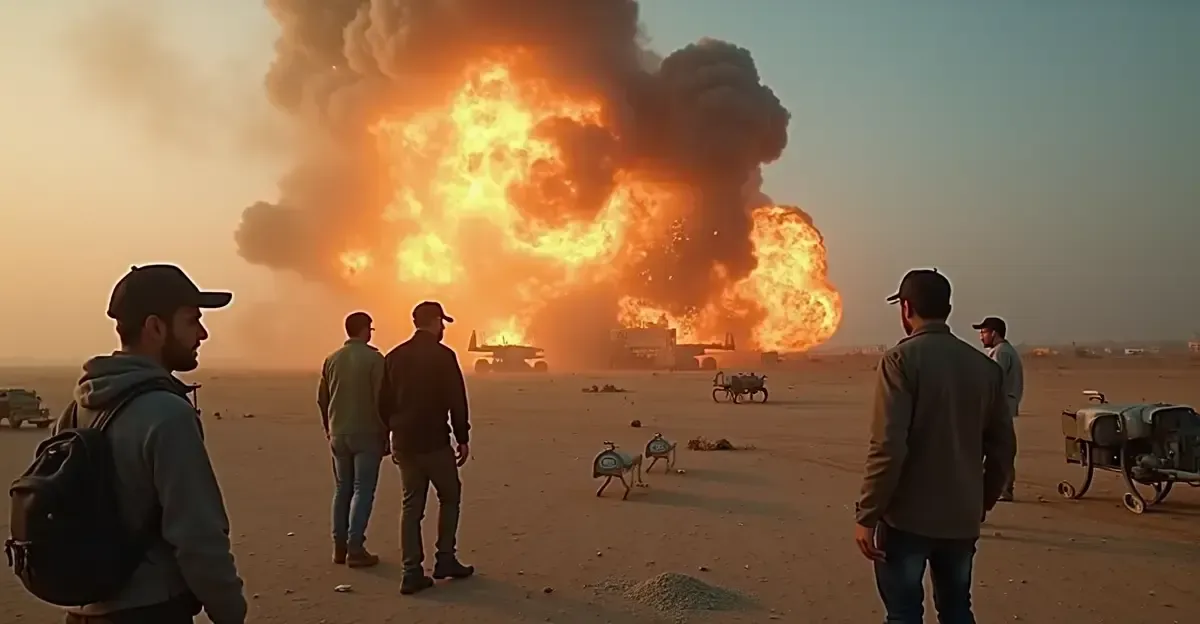
The United States military unleashed powerful strikes against more than 80 Iranian targets on July 7, 2026, after Tehran attacked three commercial vessels in the strategic Strait of Hormuz — a move President Donald Trump declared a violation of the fragile ceasefire. The escalation threatens to unravel the interim peace agreement signed just weeks ago and has sent oil prices surging as the NATO Summit convenes in Ankara, Turkey.
What is the EU Carbon Border Adjustment Mechanism?

The EU Carbon Border Adjustment Mechanism (CBAM) is a landmark climate policy that entered its definitive phase on January 1, 2026, making the European Union the first jurisdiction in the world to implement a fully operational carbon border tax. CBAM imposes a carbon price on imported goods equivalent to what EU producers pay under the Emissions Trading System (ETS), effectively ending the practice of carbon leakage.
Iranian Missiles Strike Commercial Vessels in Strait of Hormuz
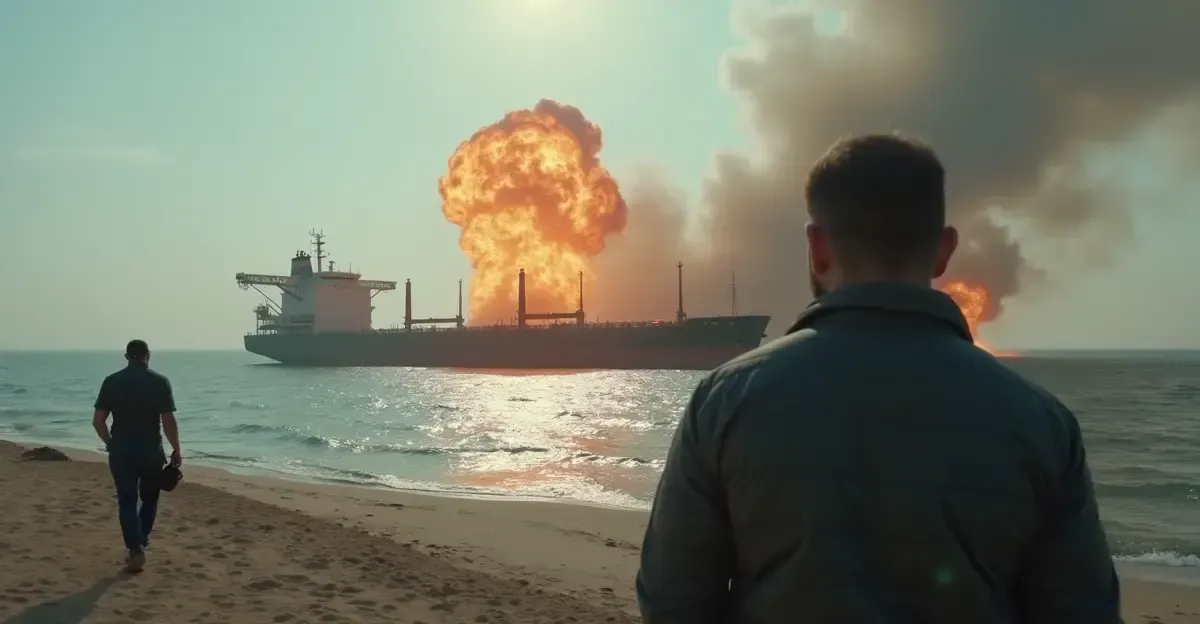
On July 6-7, 2026, Iranian forces launched missile strikes against three commercial vessels in the Strait of Hormuz, dramatically escalating tensions in one of the world's most critical maritime chokepoints. The attacks targeted the Qatari LNG tanker Al Rekayyat, the Saudi-flagged crude oil supertanker Wedyan, and an unnamed third vessel.
WHO Declares Ebola a Public Health Emergency of International Concern

The World Health Organization (WHO) has declared the ongoing Ebola epidemic in the Democratic Republic of the Congo (DRC) and Uganda a Public Health Emergency of International Concern (PHEIC), marking the third such declaration for Ebola since 2019.
Also Notable
Trade War
EU and China Formalize Landmark EV Price Undertaking Mechanism

On January 12, 2026, the European Union and China formalized a landmark 'price undertaking' mechanism that replaces punitive anti-subsidy tariffs of up to 35.5% on Chinese electric vehicle imports with binding minimum price commitments.
A New Global Trade Paradigm: Grey Trade and Dark Logistics Define 2026

A new global trade paradigm has emerged in 2026, where physical goods navigate opaque, tariff-evading logistics networks while digital services retreat into trusted regulatory alliances. With U.S. tariff revenue surging 300% year-over-year and 72% of trade professionals citing tariff volatility as the top disruptor, the old 'just-in-time' model has given way to 'just-in-case jurisdictional arbitrage.'
Global Supply Chain Rewiring: Tariff Volatility Drives Structural Shift

The global trade landscape is undergoing its most profound transformation since the end of the Cold War, driven by relentless U.S. tariff volatility that has triggered the most aggressive supply chain restructuring in decades. According to the Thomson Reuters 2026 Global Trade Report, 68% of trade professionals now rank supply chains as their top priority — nearly double the 35% recorded just one year earlier — while 72% identify U.S. tariff policy as the single most impactful regulatory change reshaping their operations.
Geoeconomic Confrontation Ranked Top Global Risk for 2026

The World Economic Forum's Global Risks Report 2026, released in January 2026, has ranked geoeconomic confrontation as the top near-term global risk, surpassing state-based armed conflict for the first time. With 18% of surveyed experts selecting it as the most likely trigger of a global crisis this year, the designation marks a strategic inflection point for international trade and supply chains.
War
Ceasefire Collapses as US Strikes Iran, Oil Prices Soar
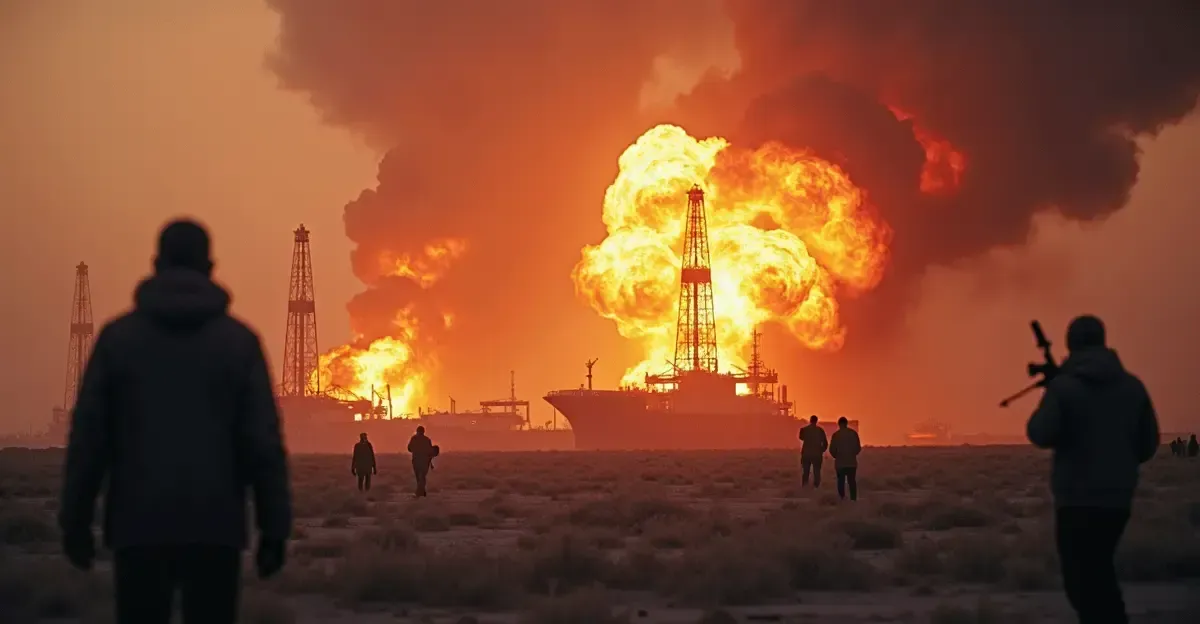
The fragile US-Iran ceasefire collapsed on July 8, 2026, as the United States launched massive airstrikes against more than 80 Iranian military targets, triggering a 6% surge in oil prices and a global market selloff.
Current Affairs
2026: A Year of Unprecedented Change

The first half of 2026 has been marked by dramatic geopolitical shifts, historic space achievements, and transformative economic milestones. From the capture of Venezuelan President Nicolás Maduro by US forces in January to Elon Musk becoming the world's first trillionaire in June, the year has delivered a relentless stream of headline-grabbing developments.
 Share this article



