


 Deutsch
 English
 Español
 Français
 Nederlands
 Português


 Share
Share




WHO Declares Ebola a Public Health Emergency of International Concern
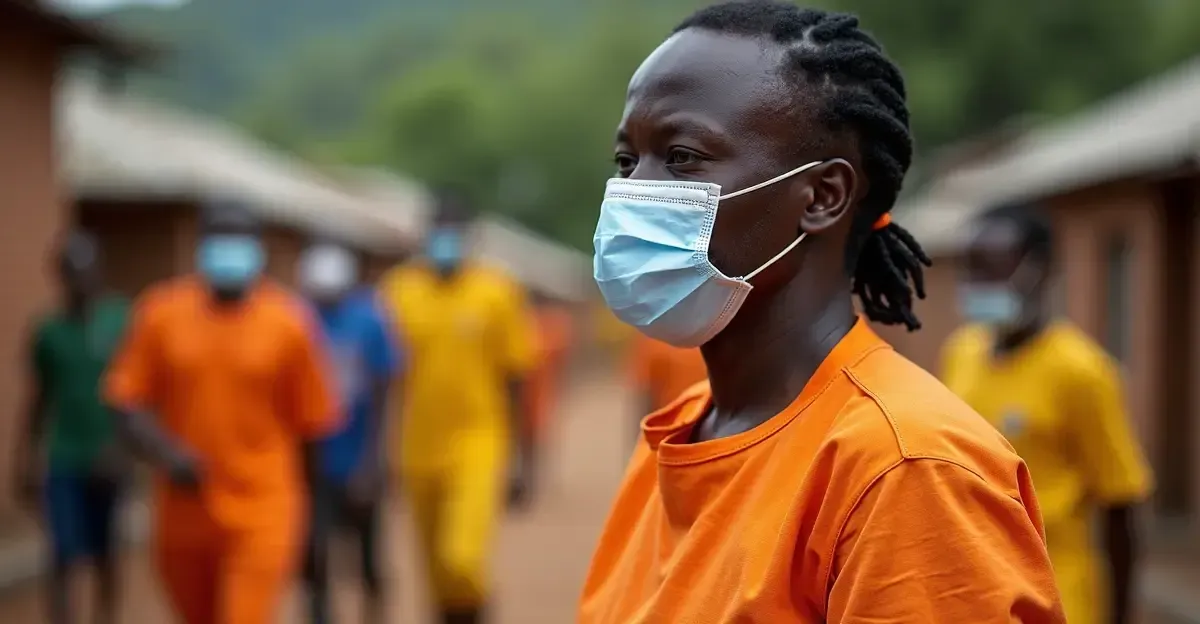
The World Health Organization (WHO) has declared the ongoing Ebola epidemic in the Democratic Republic of the Congo (DRC) and Uganda a Public Health Emergency of International Concern (PHEIC), marking the third such declaration for Ebola since 2019. The announcement, made on July 8, 2026, comes as the virus spreads across borders and case numbers rise sharply, overwhelming local healthcare systems. The 2026 global health emergencies have drawn renewed attention to pandemic preparedness.
Background and Context
The current outbreak began in late 2025 in the eastern DRC, near the city of Goma, and has since spread to neighboring Uganda. As of July 2026, the WHO reports over 1,200 confirmed cases and 780 deaths, with a case fatality rate of approximately 65%. The virus is the Zaire ebolavirus strain, the same one responsible for the 2014–2016 West Africa epidemic. The Ebola virus origins and transmission remain a focus of scientific investigation.
Response and Challenges
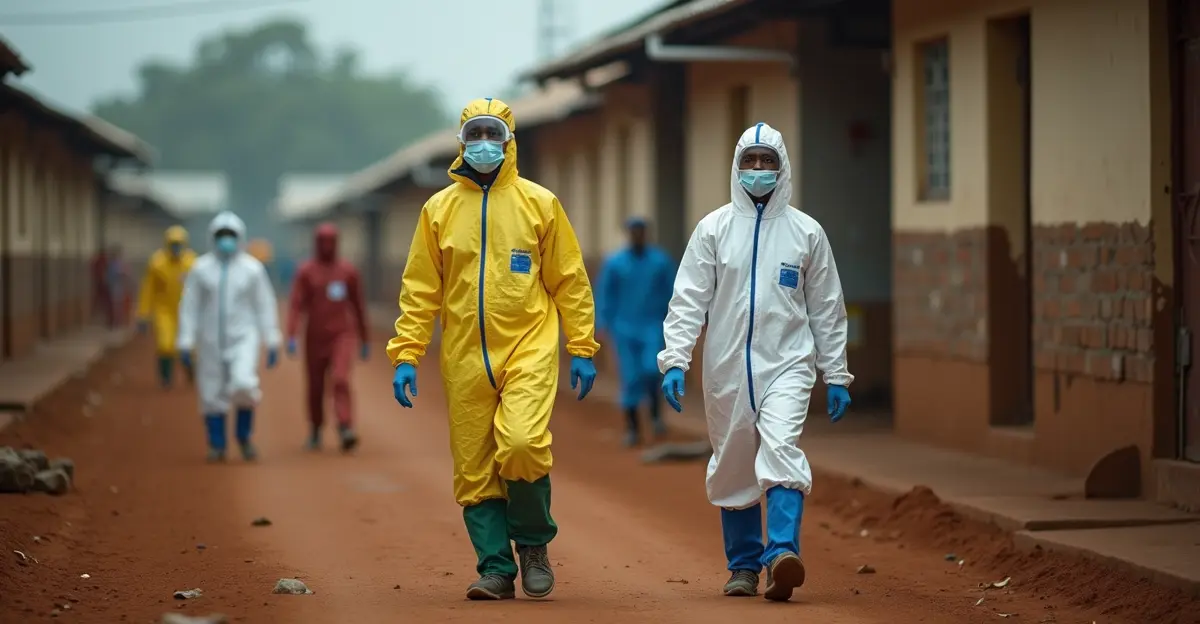
International health organizations, including Médecins Sans Frontières (MSF) and the U.S. Centers for Disease Control and Prevention (CDC), have deployed teams to the affected regions. However, response efforts face significant hurdles including vaccine hesitancy, armed conflict in the region, and limited healthcare infrastructure. The WHO has appealed for $120 million in emergency funding. Dr. Tedros Adhanom Ghebreyesus, WHO Director-General, stated: 'This is a critical moment. We must act swiftly and collectively to contain this outbreak and save lives.'
Vaccine and Treatment Efforts
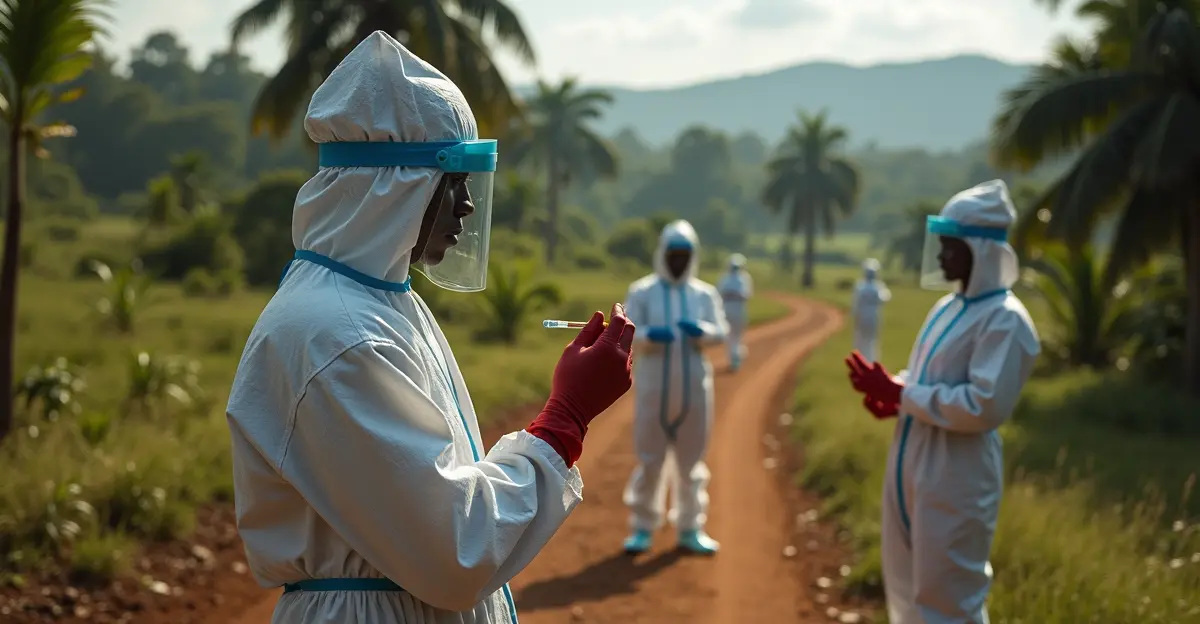
The ERVEBO vaccine, effective against the Zaire strain, is being administered in ring vaccination campaigns. However, supply constraints and logistical challenges in remote areas have slowed progress. Experimental treatments, including monoclonal antibodies, are being used under compassionate use protocols. The Ebola vaccine development timeline has been accelerated, but challenges remain.
Impact on Neighboring Countries
Rwanda, Burundi, and South Sudan have heightened border surveillance and screening measures. The WHO advises against any travel or trade restrictions, emphasizing that such measures can hamper response efforts. The economic impact on the region is severe, with cross-border trade disrupted and tourism declining sharply.
FAQ: Ebola PHEIC 2026
What is a PHEIC?
A Public Health Emergency of International Concern (PHEIC) is a formal declaration by the WHO under the International Health Regulations, signaling an extraordinary event that poses a public health risk to other countries through international spread and potentially requires a coordinated international response.
How is Ebola transmitted?
Ebola is transmitted through direct contact with bodily fluids of infected people or animals, or with contaminated objects. It is not airborne.
What are the symptoms?
Symptoms include fever, severe headache, muscle pain, vomiting, diarrhea, and unexplained bleeding. Onset is sudden, with an incubation period of 2 to 21 days.
Is there a cure?
There is no licensed cure, but supportive care and experimental treatments improve survival. Vaccines are available for prevention.
Should I cancel travel to DRC or Uganda?
The WHO advises against general travel restrictions. Travelers should follow guidance from health authorities and avoid contact with symptomatic individuals.
Sources
World Health Organization (WHO), Médecins Sans Frontières, U.S. CDC, Reuters, Associated Press.


Follow Discussion