


 Deutsch
 English
 Español
 Français
 Nederlands
 Português


 Share
Share




Ebola Outbreak in DRC Reaches 1,406 Confirmed Cases
The number of confirmed Ebola cases in the Democratic Republic of the Congo (DRC) has surged to 1,406, with 438 deaths reported, according to the latest figures from the Congolese Ministry of Health. The outbreak, caused by the Bundibugyo virus species, has now spread to a fourth province, Haut-Uele, bordering South Sudan. Health authorities acknowledge that the outbreak is not under control, as the virus continues to spread despite the World Health Organization (WHO) declaring a Public Health Emergency of International Concern (PHEIC) on May 17, 2026.
Background: The Third-Largest Ebola Outbreak in History
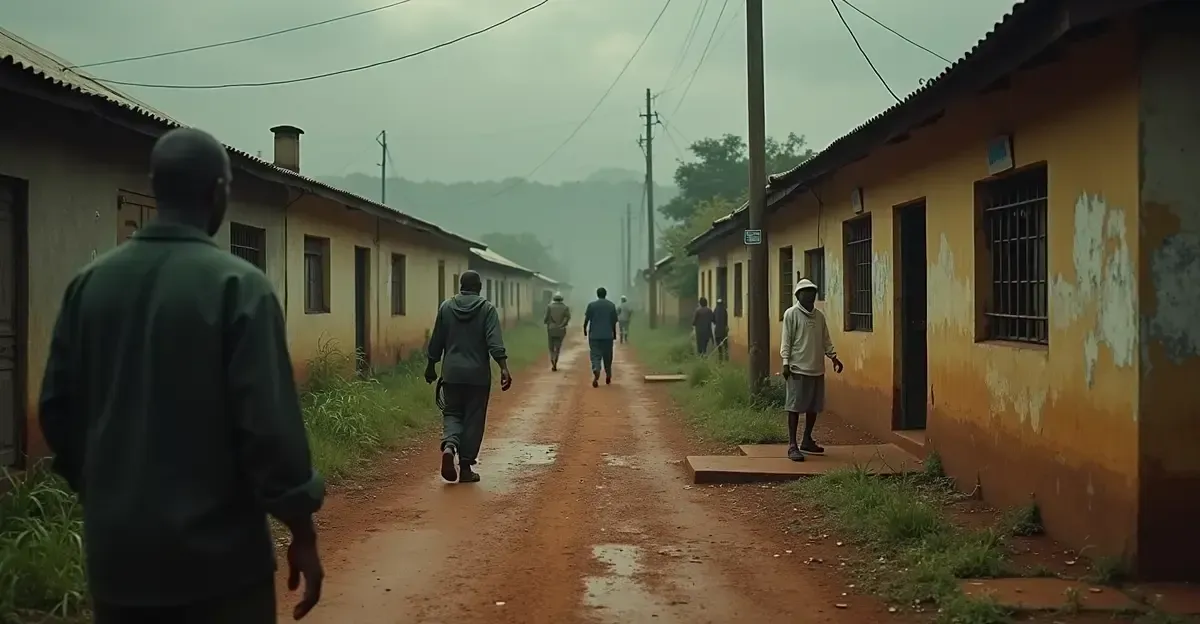
This outbreak, first declared on May 15, 2026, is now the third-largest Ebola outbreak ever recorded, following the 2013–2016 West Africa epidemic and the 2018–2020 Kivu outbreak. The WHO has deployed rapid response teams, but the situation remains dire. The outbreak is concentrated in the eastern provinces of Ituri, North Kivu, and South Kivu, which are also experiencing active conflict. The 2025 Ebola outbreak in Uganda earlier this year raised alarms, but the current DRC outbreak has surpassed it in scale.
Why the Outbreak Is Spreading Unchecked
Delayed Detection and Weak Healthcare Infrastructure
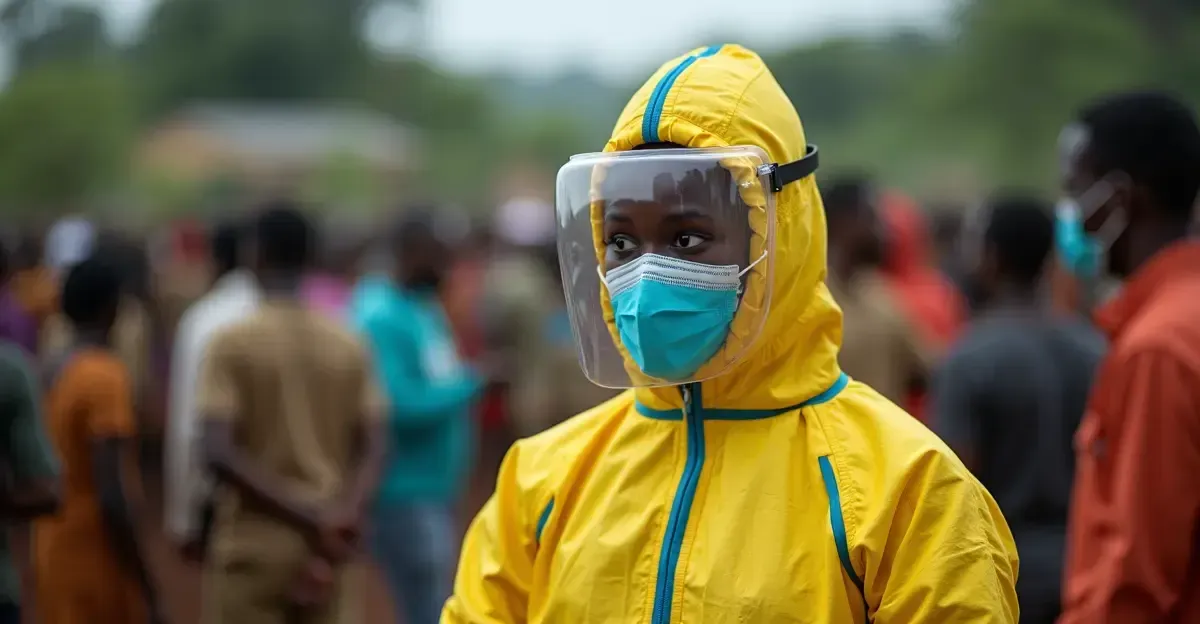
The virus was detected late, allowing it to spread undetected for weeks. The affected regions have weak healthcare systems, with limited laboratory capacity and a shortage of trained medical staff. Contact tracing follow-up rates remain as low as 21%, according to the WHO.
Armed Conflict and Insecurity
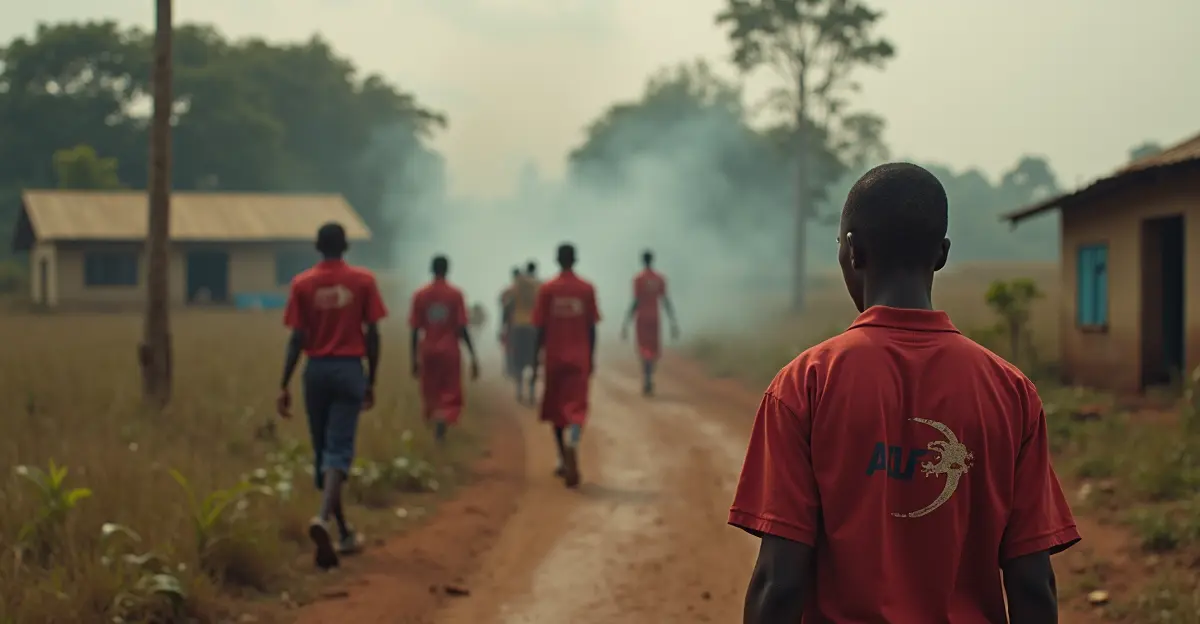
Eastern DRC is plagued by a decades-long civil war, with multiple armed rebel groups vying for control of mineral-rich territories. The Congolese government has little presence in these areas, making it extremely dangerous for health workers to conduct surveillance, vaccination campaigns, and safe burials. Attacks on health facilities have been reported, further hampering the response.
No Approved Vaccine or Treatment for Bundibugyo
Unlike the Zaire ebolavirus, for which effective vaccines and treatments exist, there is currently no licensed vaccine or specific antiviral treatment for the Bundibugyo virus. Research into promising candidates is ongoing, but none have yet been approved. This leaves health workers with only supportive care measures, such as oral rehydration and symptom management, to offer patients.
International Response and Challenges
The WHO and Africa CDC have launched a joint continental response plan covering June to November 2026. The U.S. Centers for Disease Control and Prevention (CDC) has deployed over 120 staff to the affected countries, with about 400 personnel involved in the overall response. The U.S. has also restricted entry for travelers from DRC, Uganda, and South Sudan. However, the global health emergency response system has been criticized for being too slow and underfunded.
Cross-Border Spread
Uganda reported two imported cases in Kampala, but no local transmission has been documented there. However, the spread to Haut-Uele province, which borders South Sudan, raises the risk of further international spread. Uganda closed its border with DRC on May 28 in an attempt to contain the virus, but porous borders and high population movement make such measures only partially effective.
Impact and Implications
The outbreak is placing immense strain on an already fragile health system. The case fatality rate (CFR) for this outbreak is currently around 31%, lower than the historical average for Ebola, likely due to improved supportive care. However, with no specific treatment available, the CFR could rise if the health system becomes overwhelmed. The economic impact on the region is also severe, with trade and travel restrictions affecting livelihoods. The economic consequences of Ebola outbreaks in Africa have historically been devastating for local communities.
Frequently Asked Questions
What is the Bundibugyo virus?
Bundibugyo virus (BVD) is one of six known ebolaviruses. It was first identified in Uganda in 2007. It causes Ebola disease with symptoms similar to other ebolaviruses, including fever, vomiting, diarrhea, and in some cases, internal and external bleeding. The average case fatality rate for Bundibugyo is around 25-50%.
How is Ebola transmitted?
Ebola spreads through direct contact with the body fluids (blood, vomit, feces, saliva, sweat, urine, semen, breast milk) of an infected person who is symptomatic, or with objects contaminated with these fluids. It is not airborne.
Is there a vaccine for this strain?
No. Currently, there is no licensed vaccine for the Bundibugyo virus. The existing Ebola vaccines (like Ervebo) protect only against Zaire ebolavirus. Research on a Bundibugyo vaccine is underway but has not yet reached approval.
What should travelers do?
The CDC recommends avoiding non-essential travel to the affected provinces of Ituri, North Kivu, South Kivu, and Haut-Uele in DRC. Travelers returning from these areas should monitor for symptoms (fever, headache, muscle pain, fatigue, vomiting, diarrhea) for 21 days and seek medical attention immediately if symptoms develop.
How can the outbreak be controlled?
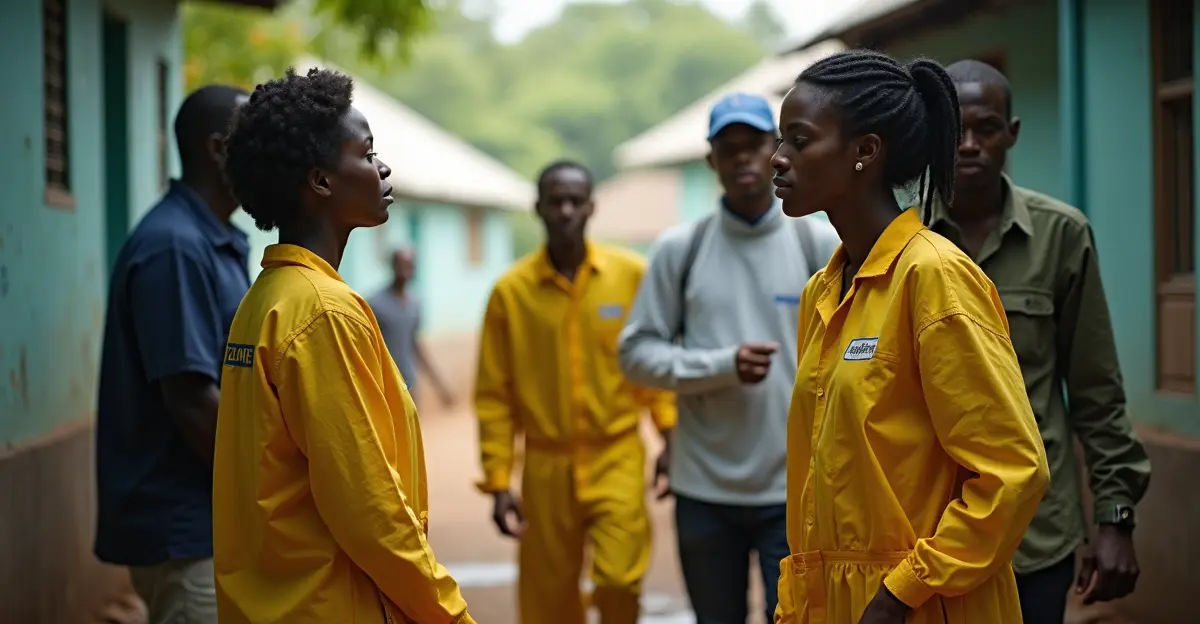
Control requires a comprehensive approach: rapid case detection and isolation, rigorous contact tracing, safe and dignified burials, community engagement and education, infection prevention and control in health facilities, and cross-border coordination. Community trust and cooperation are essential, as resistance to response measures has been a challenge in previous outbreaks.
Sources
This article is based on reporting from the World Health Organization (WHO), the U.S. Centers for Disease Control and Prevention (CDC), the Congolese Ministry of Health, and the Africa Centres for Disease Control and Prevention (Africa CDC).

Follow Discussion