


 Deutsch
 English
 Español
 Français
 Nederlands
 Português


 Share
Share




Ebola Outbreak in Congo: 2,000 Dead as Fastest-Spreading Epidemic Rages
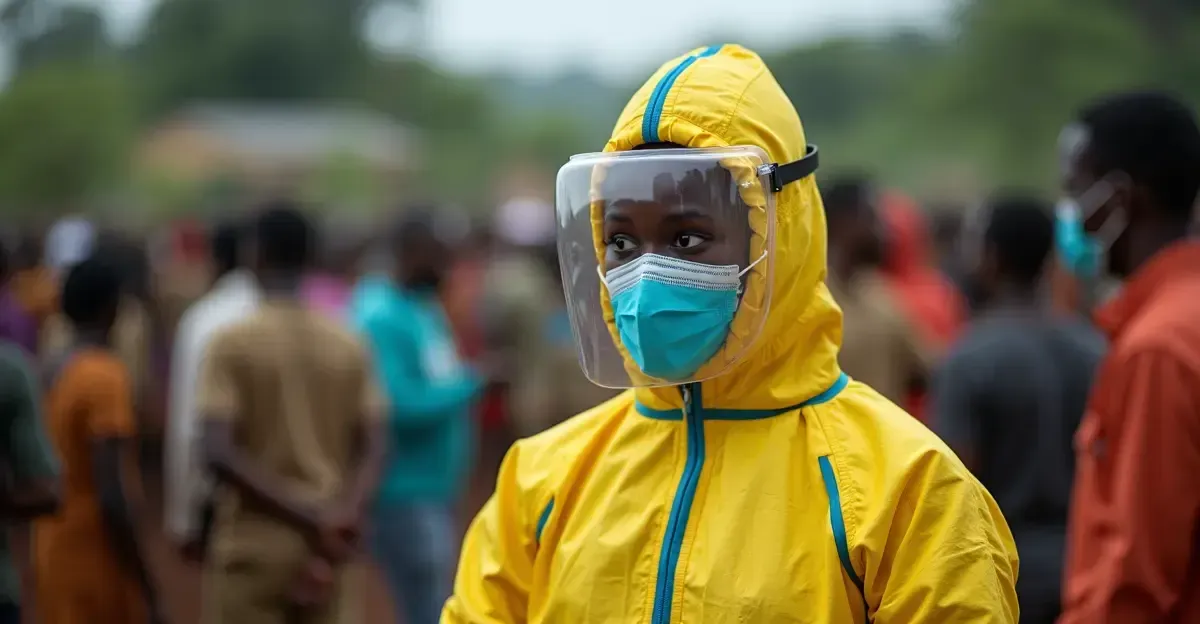
The Ebola outbreak in eastern Democratic Republic of the Congo has reached a grim milestone, with 2,000 confirmed deaths and 4,381 recorded infections as of August 11, 2026. This makes it the fastest-growing Ebola epidemic in history, outpacing even the devastating 2014–2016 West Africa outbreak that killed 11,000. The culprit is the rare Bundibugyo ebolavirus, for which no approved vaccine or specific treatment exists. "We are behind the virus. The virus is outpacing us," said Mohamed Yakub Janabi, WHO Director for Africa.
What Is the Bundibugyo Ebola Variant?
Bundibugyo virus (BDBV) is one of six known species of ebolavirus. It was first identified in 2007 in Uganda’s Bundibugyo district. Unlike the more common Zaire ebolavirus, which has licensed vaccines and treatments, BDBV has historically been rare. However, the 2026 outbreak marks the largest emergence of this strain. The current outbreak was confirmed in May 2026, but WHO now says the virus had been circulating since February, with early cases misdiagnosed as malaria or typhoid fever.
Previous Ebola outbreaks in Congo have been contained within months, but this one is different.Why Is This Outbreak Spreading So Fast?
No Vaccine or Treatment
The absence of a licensed vaccine for Bundibugyo means health workers cannot rely on the ring vaccination strategy that worked against Zaire ebolavirus. Although promising vaccine candidates are being tested, none are yet available for widespread use. Similarly, experimental treatments are only now being trialed in patients.
Misinformation and Distrust
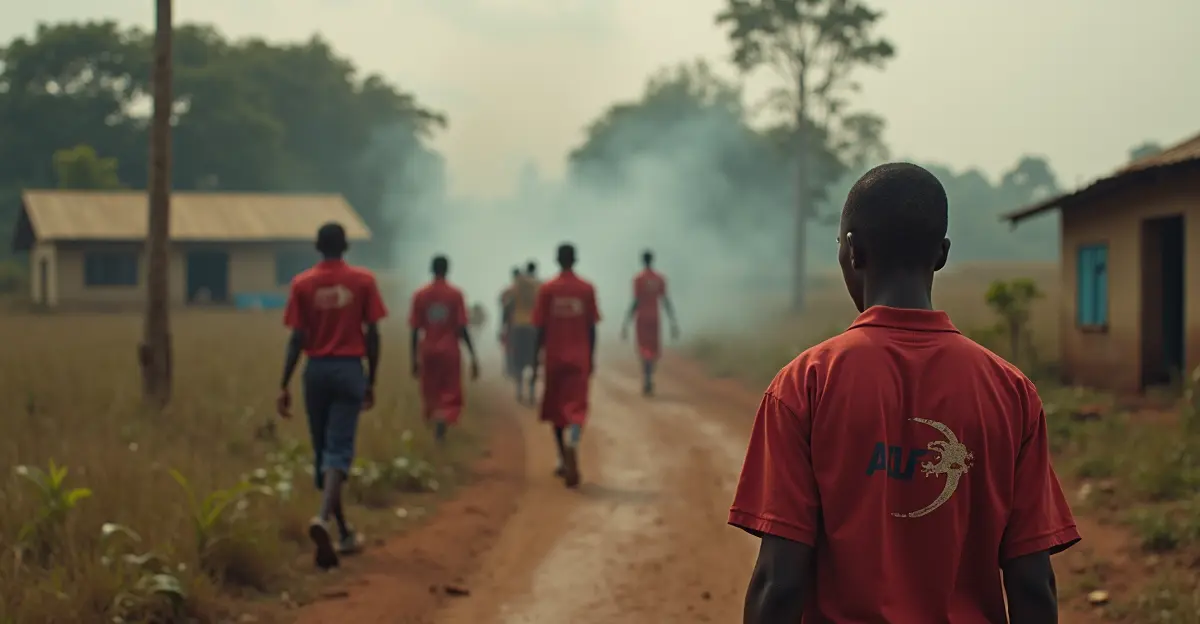
In a region plagued by conflict, rumors that Ebola does not exist have hindered containment. Community resistance to public health measures has led to patients fleeing treatment centers, further spreading the virus. A recent fire at an Ebola center in Congo resulted in a death and several patients escaping.
Humanitarian Crisis and Conflict
The outbreak zone spans five provinces—Haut-Uele, Ituri, Nord-Kivu, Sud-Kivu, and Tshopo—as well as Uganda’s capital Kampala. Ongoing armed conflicts and an overburdened health system make contact tracing and isolation nearly impossible. Many cases go unreported, meaning the true death toll may be far higher.
International Response and Challenges
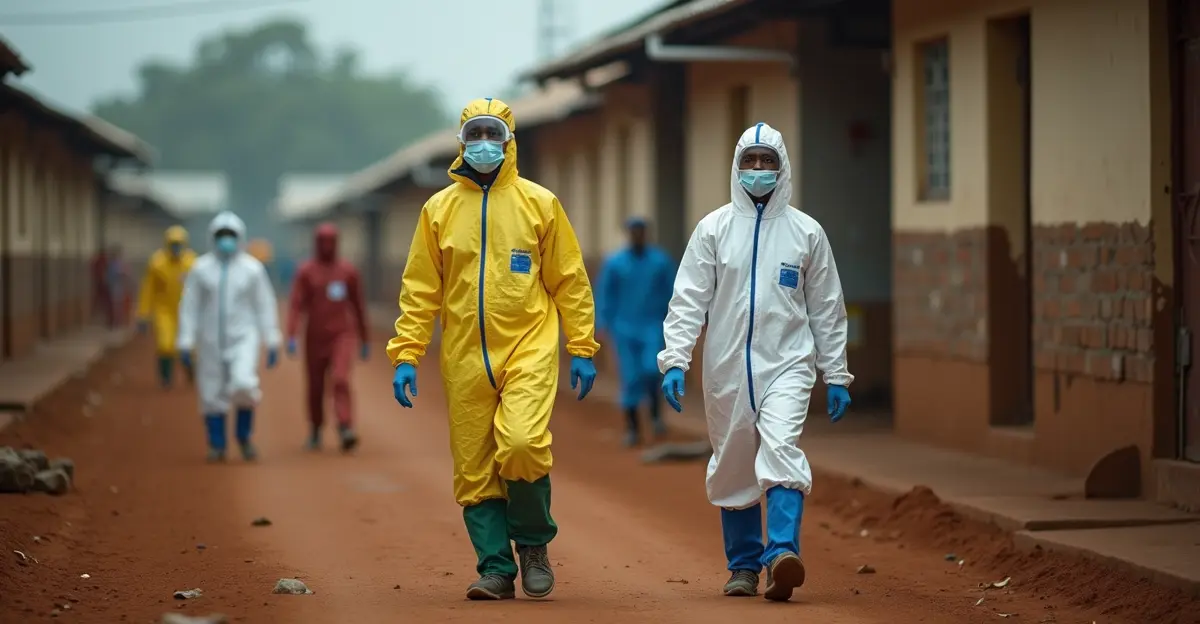
The WHO and CDC have deployed teams, but the response is hampered by insecurity and logistics. In July 2026, WHO granted its first Emergency Use Listing for a Bundibugyo diagnostic test. The U.S. has restricted entry for travelers from DRC and enhanced screening for those from Uganda or South Sudan. Roughly 400 CDC staff are involved, with over 120 deployed overseas.
Cross-border transmission into Uganda remains a serious concern, with 20 confirmed cases and two deaths reported in Kampala.What Is Ebola and How Does It Kill?
Ebola virus disease is a severe, often fatal hemorrhagic fever. It spreads through direct contact with bodily fluids of infected persons. Symptoms include fever, vomiting, diarrhea, and unexplained bleeding. The Bundibugyo variant causes similar symptoms to other ebolaviruses. The average case fatality rate for past Bundibugyo outbreaks was around 30–40%, but in this outbreak it appears higher due to delayed care.
Frequently Asked Questions
How many people have died in the 2026 Ebola outbreak in Congo?
As of August 11, 2026, at least 2,000 people have died out of 4,381 confirmed cases in the Democratic Republic of the Congo.
Is there a vaccine for the Bundibugyo Ebola variant?
Not yet. Several experimental vaccines are being tested, but none are licensed. The WHO and partners are working to fast-track promising candidates.
What makes this outbreak different from previous ones?
It is caused by the rare Bundibugyo virus, spreads faster than any past Ebola epidemic, and occurs in a conflict zone with widespread misinformation, hampering control efforts.
Can Ebola spread to other countries?
Yes. Uganda has already reported 20 cases. Containing cross-border spread is a top priority for health authorities.
How does Ebola spread?
Through direct contact with blood, secretions, organs, or other bodily fluids of infected people, and with surfaces contaminated with these fluids.



Follow Discussion