


 Deutsch
 English
 Español
 Français
 Nederlands
 Português


 Share





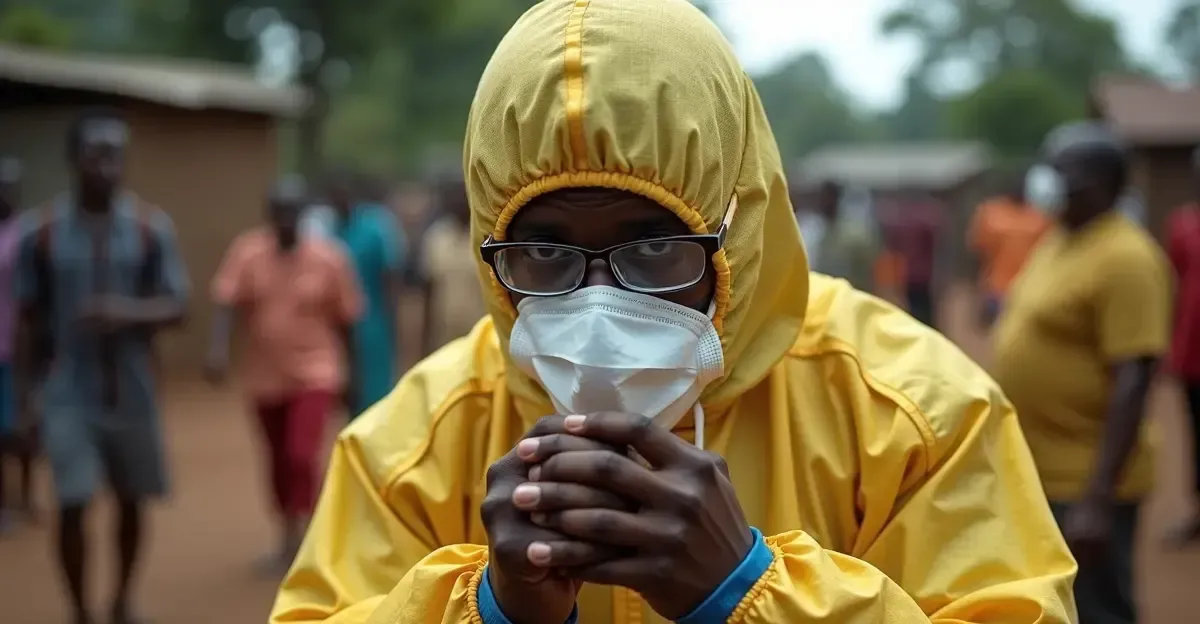
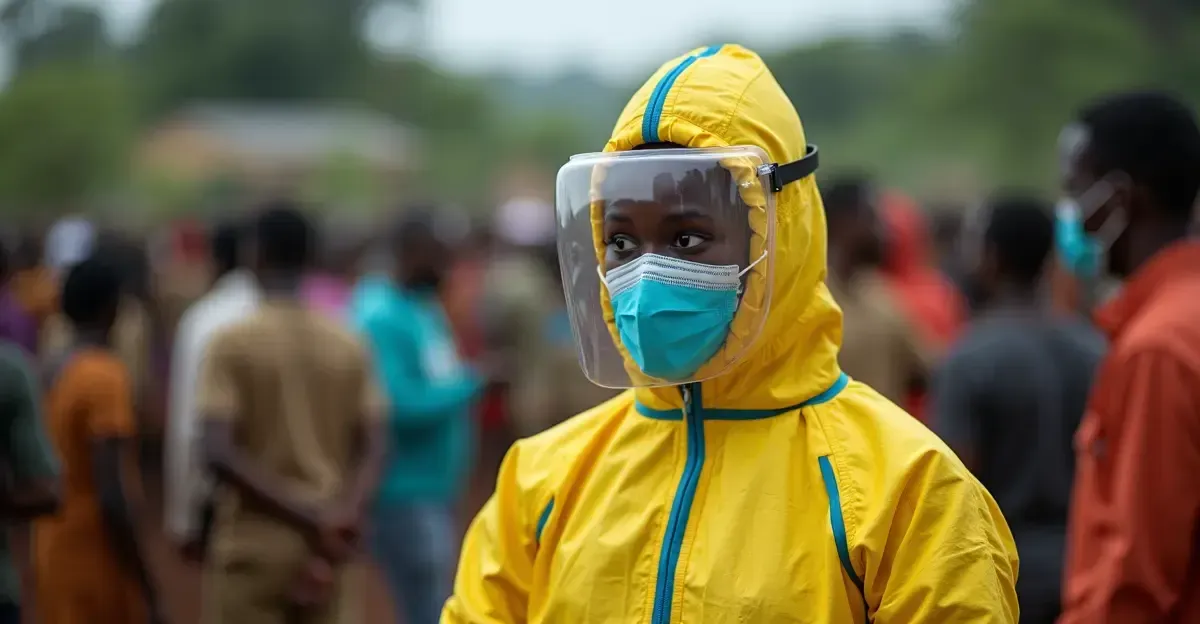
The Ebola outbreak in the Democratic Republic of Congo (DRC) has now surpassed 10,000 confirmed cases, with nearly 4,900 deaths reported by Congolese health authorities. The Bundibugyo ebolavirus, a highly infectious variant with a case fatality rate of about 48%, is driving what the Africa Centres for Disease Control and Prevention (Africa CDC) describes as the fastest-growing Ebola epidemic ever recorded.
What is the Bundibugyo ebolavirus?
Bundibugyo virus (BDBV) is one of four ebolaviruses that cause Ebola virus disease in humans. It was first discovered in Bundibugyo district in western Uganda in 2007. Unlike the better-known Zaire ebolavirus, there is no approved vaccine or specific antiviral treatment for Bundibugyo, which complicates the current Ebola outbreak response in Central Africa. Symptoms include fever, diarrhoea, vomiting, headache and muscle pain, but bleeding appears less frequently than with Zaire Ebola—making early diagnosis harder.
How fast is the outbreak spreading?
Official Congolese figures show the number of infections rose from 9,964 on Friday 23 October to more than 10,000 by Tuesday 27 October 2026. The outbreak was declared on 15 May 2026. For comparison, the 2014–2016 West African Ebola epidemic killed more than 11,000 people in Sierra Leone, Liberia and Guinea, but the current Bundibugyo outbreak in the DRC is growing considerably faster, according to Africa CDC.
2014–2016 vs 2026 Ebola outbreaks
| Metric | 2014–2016 West Africa | 2026 DRC Bundibugyo |
|---|---|---|
| Total cases | ~28,600 | >10,000 (as of 27 Oct) |
| Total deaths | >11,000 | ~4,900 |
| Case fatality rate | ~40% | ~48% |
| Approved vaccine | No (Ervebo later approved) | No approved vaccine |
Why is Bundibugyo harder to control?
Health officials say the lack of a licensed vaccine or specific treatment for Bundibugyo is a major obstacle. Since July, clinical trials have been testing two possible treatments and several vaccine candidates, including whether the Ervebo vaccine—approved only for Zaire ebolavirus—offers cross-protection. WHO representatives in the DRC expect additional studies on two Bundibugyo-specific vaccines to begin within weeks, according to the latest Ebola vaccine development updates.
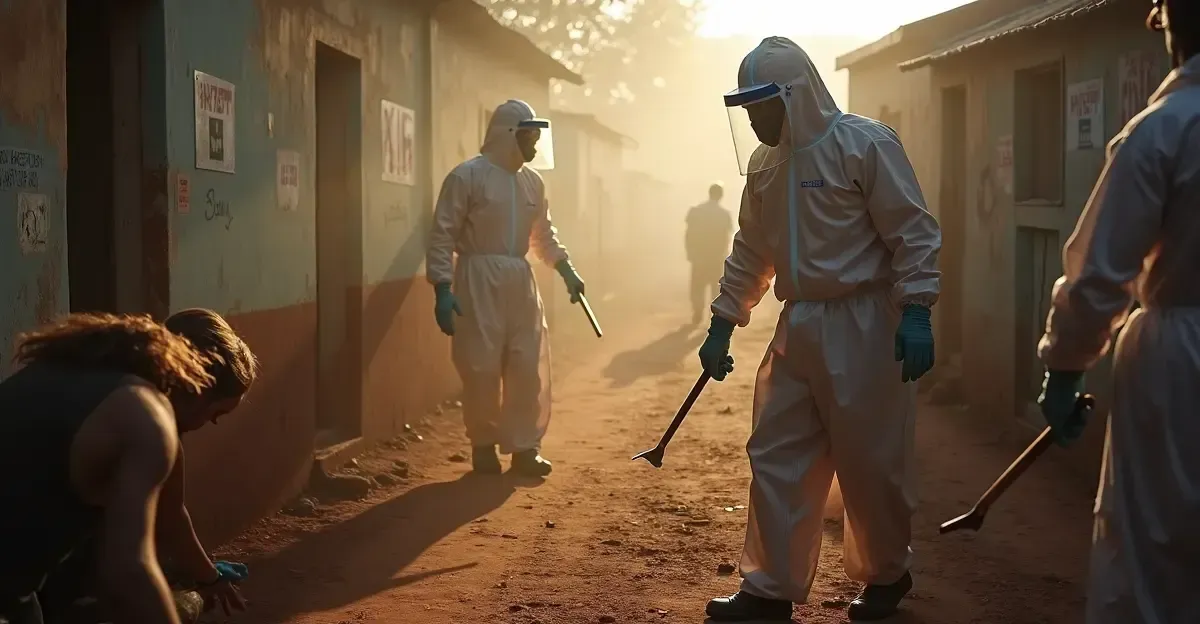
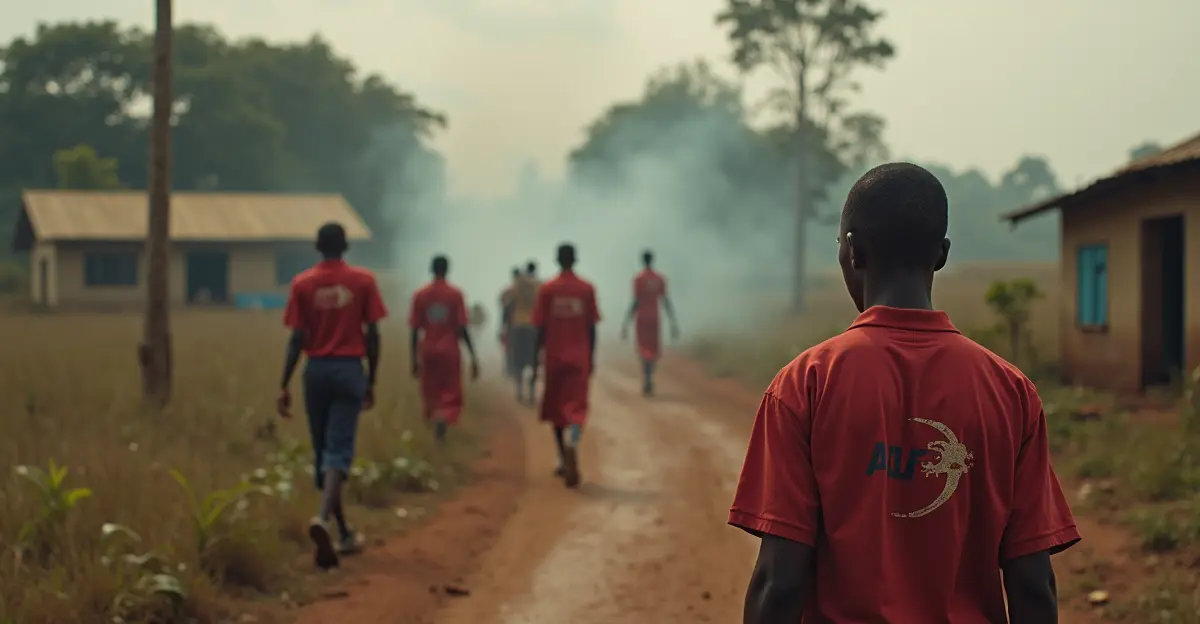
Early symptoms also resemble malaria and other common illnesses, so infected people are often isolated or treated too late. Mistrust and violence have further disrupted the response: late last week, armed youths carrying machetes attacked health workers in eastern Congo, accusing them of spreading the disease by contaminating water.
Regional spread: Kenya and Nigeria
The virus has now crossed borders. Kenya has recorded nine confirmed cases and two deaths after a patient travelled from the DRC through Uganda to Nairobi. Nigeria also reported its first case in October; the patient, the wife of a Swiss diplomat, fell ill after travelling to Uganda and has been transferred to Switzerland for treatment. Uganda has introduced a 21-day quarantine for travellers from the DRC, highlighting the growing challenge of cross-border disease surveillance in the region.
Impact on health systems and communities
The outbreak has disrupted routine healthcare in affected provinces. Vaccination campaigns for children have been interrupted, and schooling has been suspended for many children in regions where millions were already out of school. Many pregnant women now avoid hospitals for fear of infection, causing maternal mortality to double in some provinces shortly after the outbreak began. Families of patients also face social stigmatisation and isolation, compounding the wider maternal health services in the DRC crisis.
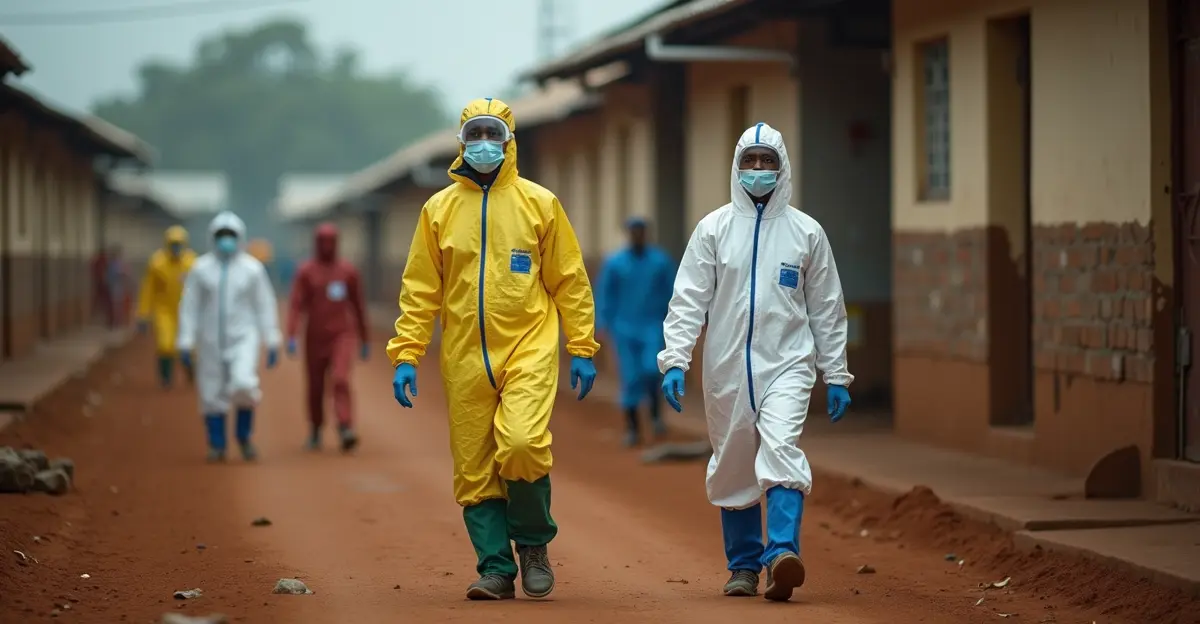
There are also signs of hope. More than 2,600 patients have recovered. This week, a video went viral showing healthcare workers in protective gear dancing after the last two patients left a treatment centre in Mongbwalu. WHO Director-General Tedros Adhanom Ghebreyesus said: Every patient who survives Ebola is a reason for optimism.
Frequently asked questions
What is the Bundibugyo ebolavirus?
Bundibugyo virus (BDBV) is an ebolavirus species first identified in Uganda in 2007. It causes Ebola virus disease with symptoms similar to Zaire Ebola but with less frequent bleeding.
How many people have died in the 2026 Congo Ebola outbreak?
Nearly 4,900 people have died out of more than 10,000 confirmed cases as of 27 October 2026, a case fatality rate of about 48%.
Is there a vaccine for Bundibugyo ebolavirus?
No approved vaccine or specific treatment exists yet for Bundibugyo. Clinical trials are underway, and two Bundibugyo-specific vaccine candidates may begin additional studies within weeks.
Which countries have reported Bundibugyo cases outside the DRC?
Kenya has reported nine cases and two deaths, and Nigeria has reported one case linked to travel from Uganda.
Follow Discussion