


 Deutsch
 English
 Español
 Français
 Nederlands
 Português


 Share
Share




Ebola Outbreak 2026: Cases Surge Past 1,000 in DRC and Uganda
The ongoing Ebola outbreak in the Democratic Republic of the Congo (DRC) and Uganda has surpassed 1,000 confirmed cases, making it the third-largest Ebola outbreak in history. As of June 19, 2026, the Africa Centres for Disease Control and Prevention (Africa CDC) reports at least 1,046 cases and 247 deaths. The outbreak is caused by the rare Bundibugyo virus species, for which no licensed vaccine or specific treatment exists. Health authorities warn that the outbreak remains far from controlled, with contact tracing coverage below 15 percent.
Background and Origin of the 2026 Ebola Outbreak
The outbreak was first identified in early May 2026 at a hospital in Bunia Health Zone, Ituri Province, northeastern DRC, where a cluster of severe illnesses among healthcare workers was later confirmed as Bundibugyo virus disease (BVD). On May 15, 2026, the DRC government declared a new Ebola outbreak, and two days later, the World Health Organization (WHO) declared it a Public Health Emergency of International Concern (PHEIC). The virus has since spread to 32 health zones across Ituri, North Kivu, and South Kivu provinces in the DRC, with additional cases reported in Kampala, Uganda.
The Bundibugyo virus disease outbreak is now the largest ever recorded for this strain. Previous outbreaks in Uganda (2007) and the DRC (2012) resulted in case fatality rates of 32 percent and 55 percent, respectively. The current outbreak has a case fatality rate of approximately 24 percent, though this may rise as more severe cases are identified.
Current Situation: Cases, Deaths, and Geographic Spread
As of June 19, 2026, the cumulative case count stands at 1,046 confirmed cases and 247 deaths. The epicenter remains Ituri Province in eastern DRC, which accounts for roughly 78 percent of all deaths. North Kivu province is of particular concern due to ongoing insecurity that limits responder access. In Uganda, 19 confirmed cases and two deaths have been reported, with no new cases since June 5, 2026, suggesting possible containment in that country.
Epidemiologist Dr. Wessam Mankoula of the Africa CDC told reporters that cases have increased by 38 percent compared to the previous week. “The outbreak is still far from under control,” he said, citing critical gaps in contact tracing. According to Africa CDC, fewer than 4,000 contacts have been identified out of an estimated 17,000 to 35,000 that should be under surveillance — a coverage rate below 15 percent.
Challenges in Containment
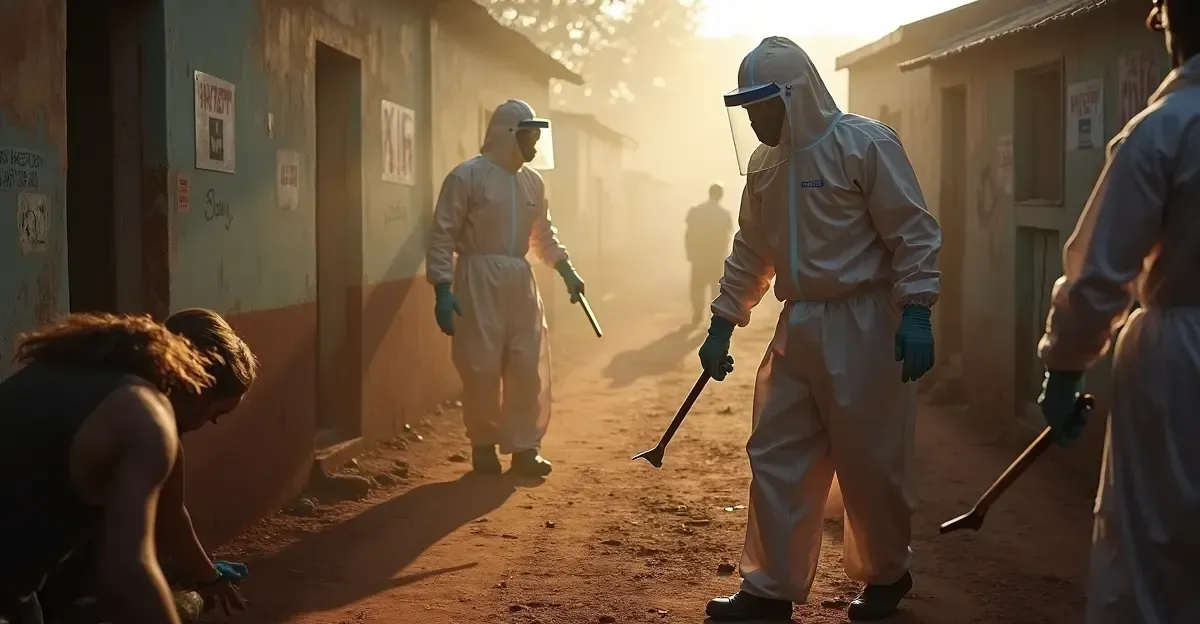
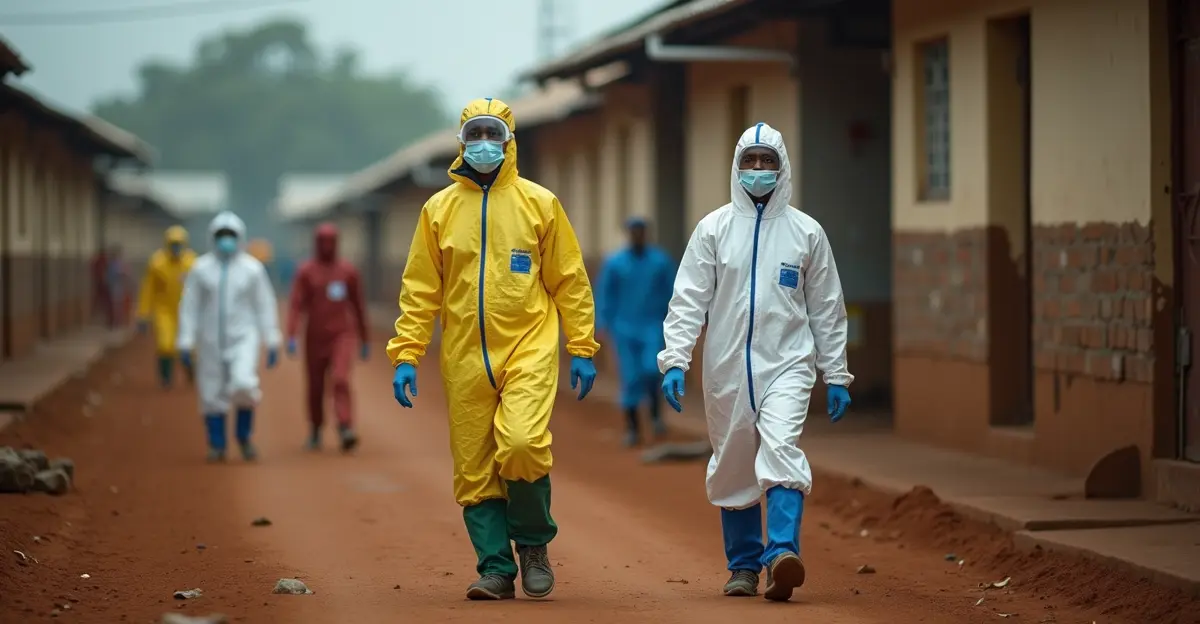
Several factors are hampering the response. Insecurity in the affected provinces, including armed conflict and community mistrust, has forced many residents to flee, making it difficult to track potential exposures. The dense forests, poor road networks, and remote communities further complicate access for health workers. Additionally, treatment centers are operating at 86 percent occupancy, and there are shortages of personal protective equipment (PPE) and ambulance capacity.
The Ebola virus disease containment challenges in Central Africa highlight the need for strengthened health systems and community engagement.
International Response and Funding
The international community has pledged significant funding to combat the outbreak. The European Union announced a financial package of €493 million, including €15 million in immediate humanitarian aid, and has launched a Humanitarian Air Bridge to deliver 100 tonnes of emergency supplies. The United States Centers for Disease Control and Prevention (CDC) has allocated $107 million in emergency funding, while the U.S. State Department has committed over $220 million for regional preparedness. The African Union has pledged approximately $80 million.
However, funding disbursement has been slow. According to recent reports, less than 10 percent of the $910 million pledged by donors has actually been received. CDC Director Dr. Mandy Cohen emphasized the urgency: “Strong immediate support is needed to control this outbreak before it spreads further.”
The global health emergency funding mechanisms are being tested as the outbreak evolves.
Medical Response: No Approved Vaccine or Treatment for Bundibugyo Virus
Unlike the Zaire ebolavirus, for which vaccines (Ervebo) and monoclonal antibody treatments (Inmazeb) are licensed, no approved countermeasures exist for the Bundibugyo virus. The WHO has convened expert groups to prioritize three treatment candidates for clinical trials: the pan-ebolavirus monoclonal antibody cocktail MBP134, the antibody maftivimab, and the antiviral remdesivir. For post-exposure prophylaxis, the oral antiviral obeldesivir has been prioritized. A single-dose rVSV-based Bundibugyo vaccine is in development but will take months to assess.
Currently, patients receive supportive care including oral rehydration therapy, intravenous fluids, and treatment of symptoms. The Bundibugyo virus has a fatality rate of 30–50 percent without intensive care.
Impact and Implications
The 2026 Ebola outbreak underscores critical gaps in global pandemic preparedness. The lack of a licensed vaccine for the Bundibugyo species leaves populations vulnerable, and the slow disbursement of pledged funds threatens response efforts. The outbreak is also straining already fragile health systems in the DRC and Uganda, both of which are also dealing with malaria, cholera, and other infectious diseases.
For the United States, the CDC has implemented enhanced screening at four major airports (Washington Dulles, Atlanta Hartsfield-Jackson, Houston George Bush, and New York JFK) for travelers arriving from affected regions. Travel Health Notices advise avoiding non-essential travel to affected provinces in the DRC. The risk to the general U.S. public remains low, as Ebola spreads only through direct contact with body fluids.
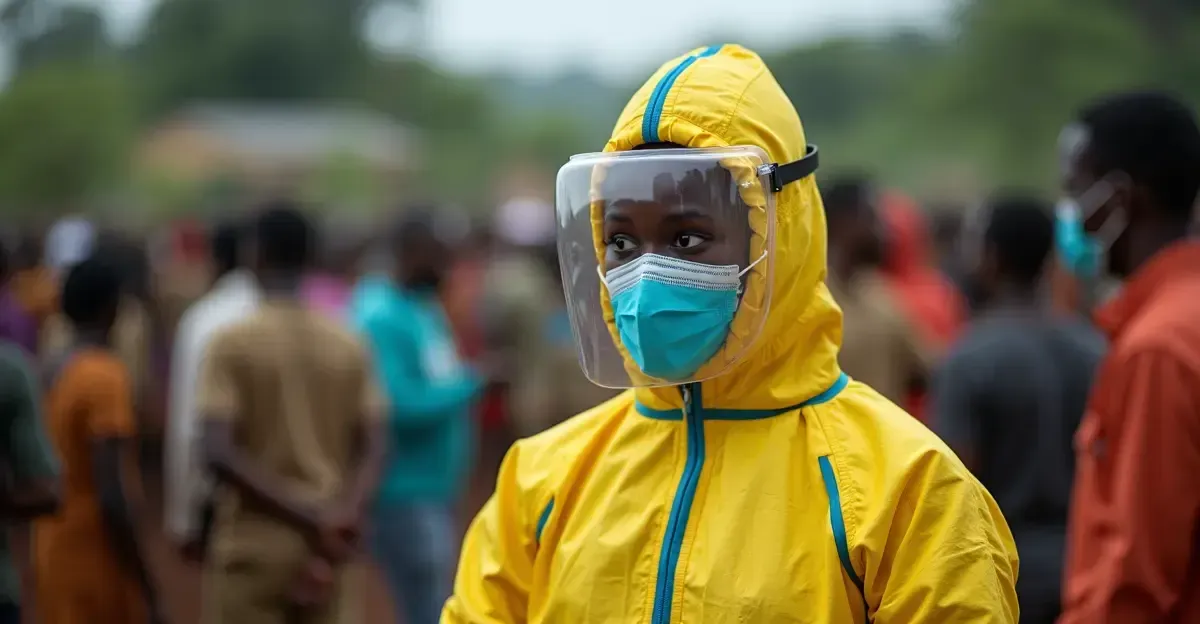
The impact of Ebola on healthcare workers has been severe, with many infections occurring among medical staff in the early stages of the outbreak.
Frequently Asked Questions
What is the Bundibugyo virus?
The Bundibugyo virus is a rare species of ebolavirus first identified in Uganda in 2007. It causes Ebola virus disease with symptoms similar to other ebolaviruses, including fever, vomiting, diarrhea, and in some cases, internal and external bleeding. The case fatality rate ranges from 25 to 55 percent.
Is there a vaccine for the Bundibugyo virus?
No. Currently, no licensed vaccine exists specifically for the Bundibugyo virus. Vaccines like Ervebo are effective only against the Zaire ebolavirus. Clinical trials for a Bundibugyo-specific vaccine are underway but results are months away.
How is the 2026 Ebola outbreak being contained?
Containment efforts focus on early case detection, contact tracing, infection prevention and control, safe burial practices, community engagement, and supportive care for patients. WHO, Africa CDC, and national health authorities are coordinating the response, but challenges such as insecurity, difficult terrain, and funding gaps persist.
Can the Bundibugyo virus spread through the air?
No. Ebola viruses, including Bundibugyo, are not airborne. They spread through direct contact with the blood, body fluids, or contaminated objects of an infected person or animal. The risk of widespread transmission outside affected regions remains low.
What should travelers do?
The CDC recommends avoiding non-essential travel to affected provinces in the DRC (Ituri, North Kivu, South Kivu). Travelers from the DRC, Uganda, or South Sudan should monitor for symptoms (fever, fatigue, muscle pain) for 21 days after departure and seek medical care immediately if symptoms develop.
Sources
- Africa CDC Situation Report, June 19, 2026
- WHO Emergency Situation Report, June 2026
- CDC Ebola Situation Summary, June 18, 2026
- European Commission Press Release, May 2026
- U.S. Department of State Ebola Response Update, June 10, 2026

Follow Discussion