


 Deutsch
 English
 Español
 Français
 Nederlands
 Português


 Share
Share




France has confirmed its first-ever case of Ebola virus disease on national soil, detected in a doctor who recently returned from a humanitarian mission in the Democratic Republic of the Congo (DRC), according to French health authorities. The patient is being treated in isolation at a specialized facility, and contact tracing is underway. The case marks a significant milestone in the 2026 Ebola epidemic, which has already infected over 1,000 people in the DRC and spread to Uganda.
Background: The 2026 Ebola Epidemic
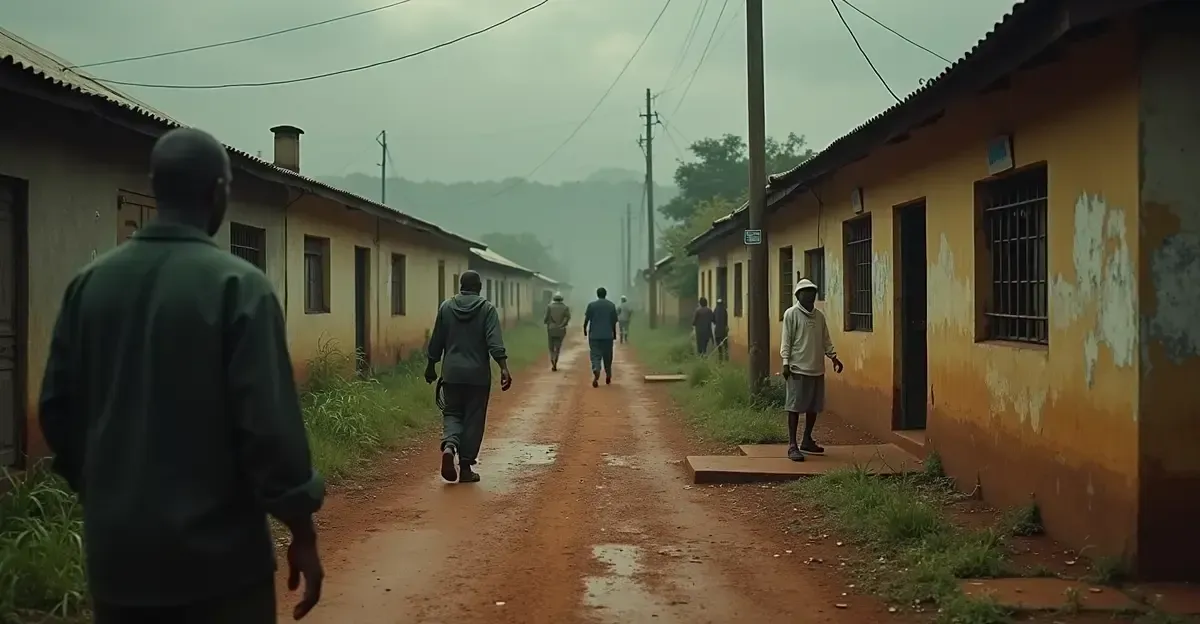
The current outbreak was first reported on 14 May 2026 in Ituri Province, DRC, and is caused by the Bundibugyo ebolavirus (BDBV). This is the DRC's 17th Ebola outbreak since 1976, and it has been declared a Public Health Emergency of International Concern (PHEIC) by the World Health Organization (WHO). As of 21 June 2026, there were 1,069 confirmed cases and 269 deaths, with a fatality rate of 26%. The outbreak has also spread to Uganda and now to Europe via a returning healthcare worker.
The WHO has noted that the 2026 Ebola epidemic is particularly challenging because no licensed vaccine or specific treatment exists for the Bundibugyo strain. Existing vaccines and therapies are approved only for the Zaire ebolavirus. Response efforts are further hampered by ongoing armed conflicts in eastern DRC, poor healthcare infrastructure, and high population mobility.
Details of the French Case
The infected individual is a French doctor who had been working in an Ebola treatment center in the DRC. Upon returning to France, the doctor developed symptoms consistent with Ebola and was promptly tested. The French Ministry of Health confirmed the positive result on June 24, 2026. The patient was immediately transferred to a high-level isolation unit in a designated hospital, where they are receiving supportive care and are reported to be in stable condition.
Health authorities have launched a thorough contact investigation to identify all individuals who may have been exposed to the doctor since their return. The French Prime Minister's office stated that the situation is being monitored closely, but the risk to the general population is assessed as low due to the country's robust healthcare infrastructure and rapid containment measures.
This case underscores the global health security risks posed by infectious disease outbreaks in an interconnected world. Healthcare workers and humanitarian aid workers returning from affected regions are considered at highest risk.
What Is Ebola?
Ebola virus disease (EVD) is a severe, often fatal illness in humans. The virus is transmitted to people from wild animals and spreads through human-to-human contact via direct contact with blood, bodily fluids, or tissues of infected individuals. Symptoms include sudden onset of fever, fatigue, muscle pain, headache, and sore throat, followed by vomiting, diarrhea, rash, and in some cases, internal and external bleeding. The incubation period ranges from 2 to 21 days.
According to the WHO, the average case fatality rate for Ebola is around 50%, though it has varied from 25% to 90% in past outbreaks. Early supportive care with rehydration and symptomatic treatment significantly improves survival. For the Bundibugyo strain, no licensed vaccine or specific antiviral treatment is currently available, though several candidates are under investigation.
International Response and Implications
The French case highlights the need for enhanced surveillance and screening of travelers from affected regions. France has set up a monitoring system for aid workers returning from the DRC, and similar measures are being considered by other European countries. The WHO has advised against travel or trade restrictions, noting that border closures may inadvertently increase the risk by pushing movement to informal crossings.
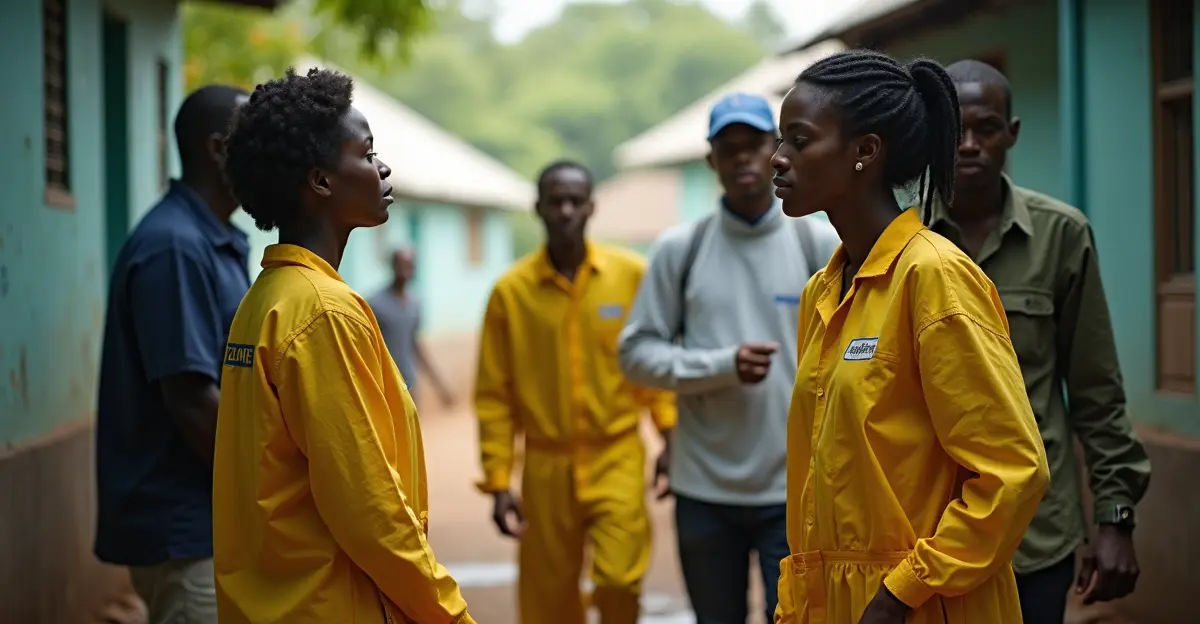
The WHO emergency response to Ebola includes deploying technical experts, strengthening surveillance, and supporting cross-border collaboration between DRC and Uganda. The Africa Centres for Disease Control and Prevention (Africa CDC) and WHO have launched a joint continental response plan.
French health officials have reassured the public that the country's healthcare system is well-prepared to handle isolated cases and prevent wider transmission. "The risk for the European population is considered low," the French Ministry of Health stated. "We are implementing all necessary measures to contain this case."
Frequently Asked Questions
How did the doctor get infected?
The doctor likely contracted the virus while working in an Ebola treatment center in the DRC, where the Bundibugyo strain is circulating. Healthcare workers are at high risk due to close contact with patients.
Can Ebola spread easily in France?
No. Ebola spreads through direct contact with bodily fluids, not through casual contact or airborne transmission. With prompt isolation, contact tracing, and infection control measures, the risk of widespread transmission in a country with advanced healthcare infrastructure is very low.
Is there a vaccine for this strain?
No. Currently licensed Ebola vaccines (such as Ervebo) are effective only against the Zaire ebolavirus. No vaccine is yet approved for the Bundibugyo strain, though research is ongoing.
What should travelers do?
Travelers returning from affected areas should monitor their health for 21 days and seek medical attention immediately if they develop fever, headache, muscle pain, or other symptoms. They should inform healthcare providers of their travel history.
How is Ebola treated?
Treatment focuses on supportive care: intravenous fluids, electrolyte management, oxygen therapy, and treatment of secondary infections. Experimental therapies may be available under clinical trial protocols.
Sources
This article is based on reporting from NOS, BBC News, Le Monde, the World Health Organization (WHO), and the French Ministry of Health. More information on the outbreak can be found on the WHO's dedicated outbreak page and the Wikipedia article on the 2026 Ebola epidemic.

Follow Discussion