


 Deutsch
 English
 Español
 Français
 Nederlands
 Português


 Share
Share




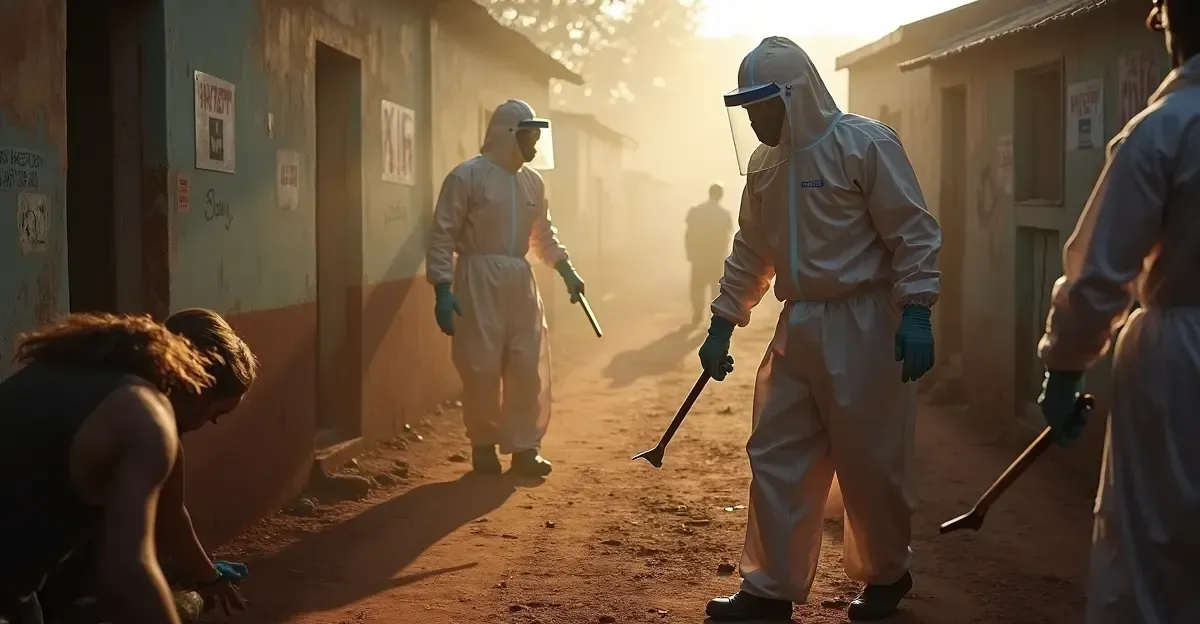
The death toll from the ongoing Ebola outbreak in the Democratic Republic of the Congo (DRC) has surpassed 1,800, health authorities confirmed on Wednesday, as the World Health Organization (WHO) warned that the epidemic is spreading faster than the response can keep pace. The latest figures show 3,973 confirmed infections, a sharp rise from just two weeks ago when deaths stood below 1,000 and cases under 2,500. The outbreak, driven by the rare Bundibugyo ebolavirus strain, is now the second largest in history, trailing only the devastating 2014–2016 West African epidemic that claimed 11,000 lives.
Background: An Outbreak Without a Vaccine
The current epidemic was first detected in May 2026 in Ituri Province, marking the DRC's 17th Ebola outbreak. Unlike previous outbreaks caused by the more common Zaïre ebolavirus, this one is fueled by the Bundibugyo variant—for which there is no approved vaccine or specific antiviral treatment. The lack of medical countermeasures has pushed the case fatality rate to approximately 45%, according to WHO data. Health experts note that the true scale of the crisis is likely higher due to underreporting in conflict-ridden areas. The Ebola virus transmission dynamics have been compounded by poor healthcare infrastructure and insecurity in the eastern provinces.
Rapid Escalation: Numbers That Alarmed the World
In late July, the outbreak became the fastest-growing Ebola epidemic on record. The number of confirmed infections has nearly quadrupled in under a month, with hotspots doubling in the past week alone. WHO Director-General Tedros Adhanom Ghebreyesus, who visited Kinshasa on Tuesday, described the situation as critical. “The outbreak is spreading faster than the pace at which aid is being scaled up,” he said, adding that several hotspots had seen case counts double in just seven days. The DRC Ebola response challenges are immense, with armed groups frequently blocking health workers from reaching affected communities.
Spread Beyond Congo's Borders
Uganda has reported confirmed cases, including in the capital Kampala, while an imported case was detected in France in a doctor returning from the DRC. The WHO has declared the epidemic a Public Health Emergency of International Concern, urging neighboring countries to strengthen surveillance and cross-border coordination. The global health emergency preparedness has once again come under scrutiny as international agencies scramble to contain the outbreak before it reaches densely populated urban centers.
US Pledges $242 Million Amid Shifting Foreign Policy
In a notable policy move, the United States announced an additional $242 million in funding for the immediate Ebola response, regional preparedness, and humanitarian aid. The pledge, made at the G7 summit in June, brings total US spending on the outbreak to over half a billion dollars. However, the funds still require approval from Congress. The commitment stands in contrast to President Trump's broader retreat from international health programs, including the withdrawal from the WHO. The State Department urged other nations to “make resources available” to combat the epidemic, signaling a rare moment of bipartisan urgency in global health diplomacy.
Impact and Implications
The economic impact of Ebola outbreaks in the region is already being felt, with trade routes disrupted and healthcare systems overwhelmed. The DRC, a nation long plagued by conflict and poverty, now faces a dual crisis: containing a deadly virus while managing the humanitarian fallout. The WHO and Africa CDC have launched a joint continental response plan covering June to November 2026, but funding gaps persist. With no approved treatments for the Bundibugyo strain, experimental vaccines are being tested, and the first diagnostic test for the variant was added to the WHO Emergency Use Listing on July 2.
FAQ: Ebola Outbreak in Congo
What is the Bundibugyo ebolavirus? Bundibugyo ebolavirus (BDBV) is one of four ebolavirus species known to cause disease in humans. It was first identified in Uganda in 2007 and is rarer than the Zaïre strain. Currently, there is no approved vaccine or specific treatment for BDBV.
How does Ebola spread? Ebola spreads through direct contact with the bodily fluids of an infected person or animal, or through contact with contaminated objects. It is not airborne.
Why is this outbreak growing so fast? The combination of a novel viral strain with no medical countermeasures, weak health systems, armed conflict, and community mistrust has created ideal conditions for rapid transmission.
Is there a risk of a global pandemic? While the risk of widespread international transmission remains low, the WHO has classified the outbreak as a Public Health Emergency of International Concern to encourage a coordinated global response.
What can be done to stop the outbreak? Effective control requires robust contact tracing, isolation of cases, safe burial practices, community engagement, and international funding and logistical support.

Follow Discussion