


 Deutsch
 English
 Español
 Français
 Nederlands
 Português


 Share
Share




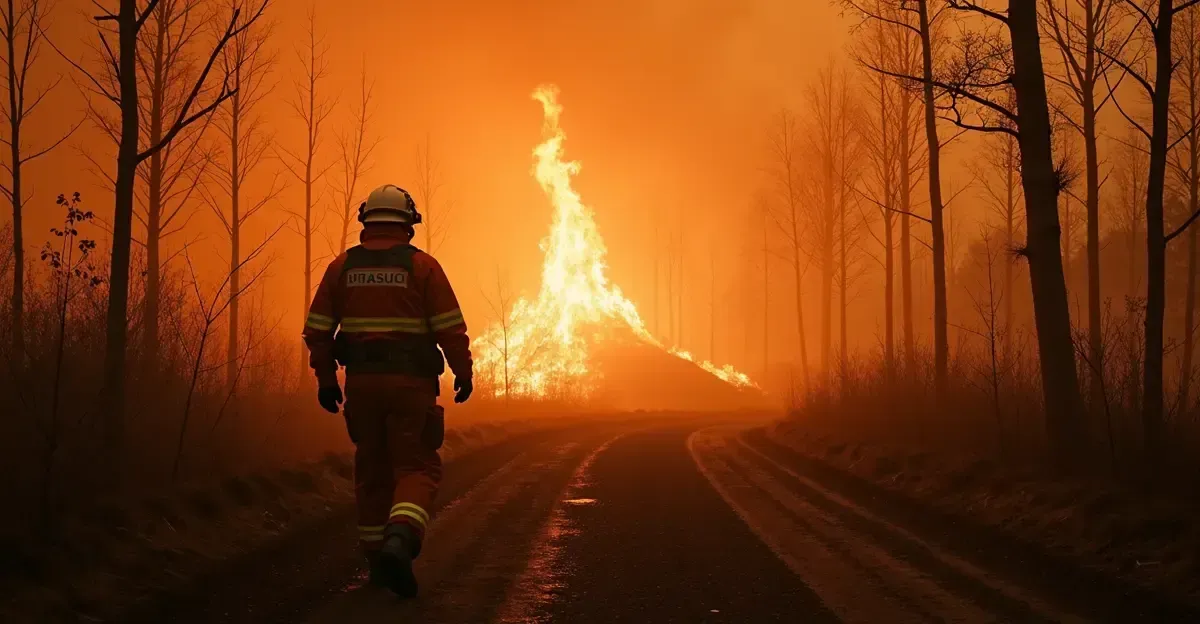
A major wildfire in Germany's North Rhine-Westphalia has forced the complete evacuation of the village of Gey, with flames advancing to within roughly 150 metres of homes by Friday evening, 14 August 2026. The blaze in the Hürtgenwald area is now considered the largest wildfire in the state's history, consuming an estimated 300 hectares of forest and prompting a mass response involving hundreds of firefighters, military vehicles and water-dropping helicopters.
What is happening in Gey and Hürtgenwald?
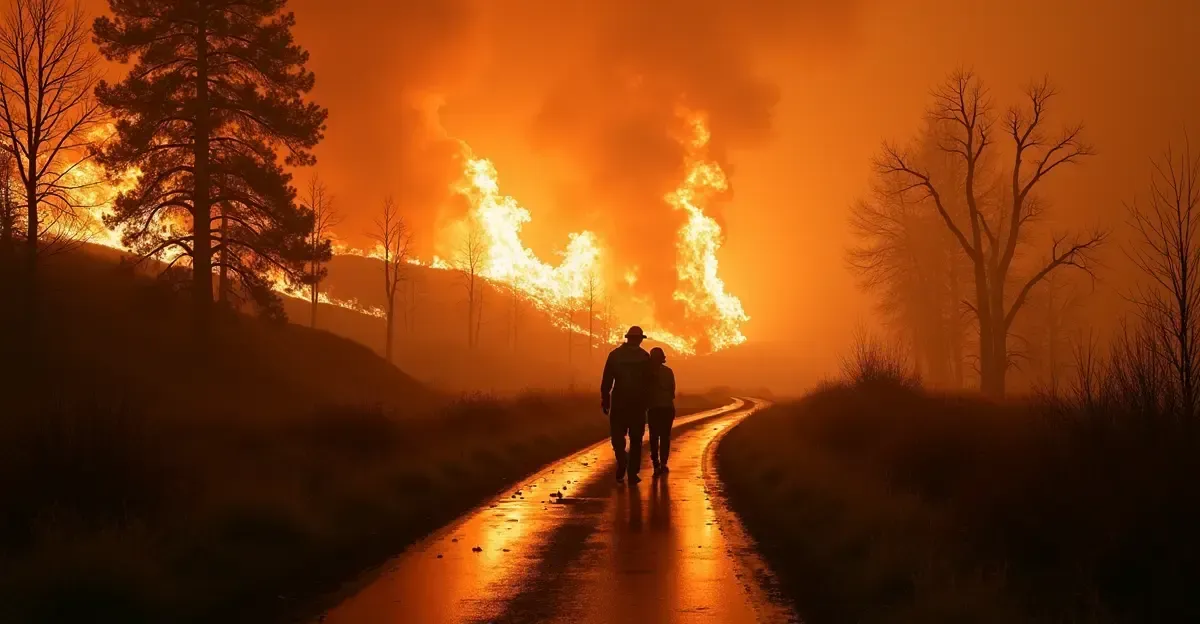
The municipality of Hürtgenwald lies about 30 kilometres from the Dutch border in South Limburg, close to the Belgian border. Three separate forest fires broke out in the area on Thursday; two were brought under control, but the third spread rapidly toward Gey. Around 2,000 residents were ordered to leave their homes early Friday morning after a 4 a.m. emergency alert, and emergency shelters were set up in nearby communities. By evening, officials said the flames were just 100 to 150 metres from the village edge, and evacuees were told they would likely have to spend the night elsewhere.
Why WWII munitions make the wildfire harder to fight
The Hürtgen Forest is one of the most battle-scarred landscapes in western Europe. During the Second World War, the Battle of Hürtgen Forest raged from September to December 1944, costing tens of thousands of lives and leaving the ground saturated with unexploded mines, artillery shells and other ordnance. German fire officials said multiple explosions were heard overnight as the fire reached old munitions. Because it is too dangerous to send vehicles and crews into large parts of the burning area, firefighters have been forced to work from the perimeter, using controlled counter-fires, water cannons and aerial drops to slow the advance.
How authorities are responding to the record blaze
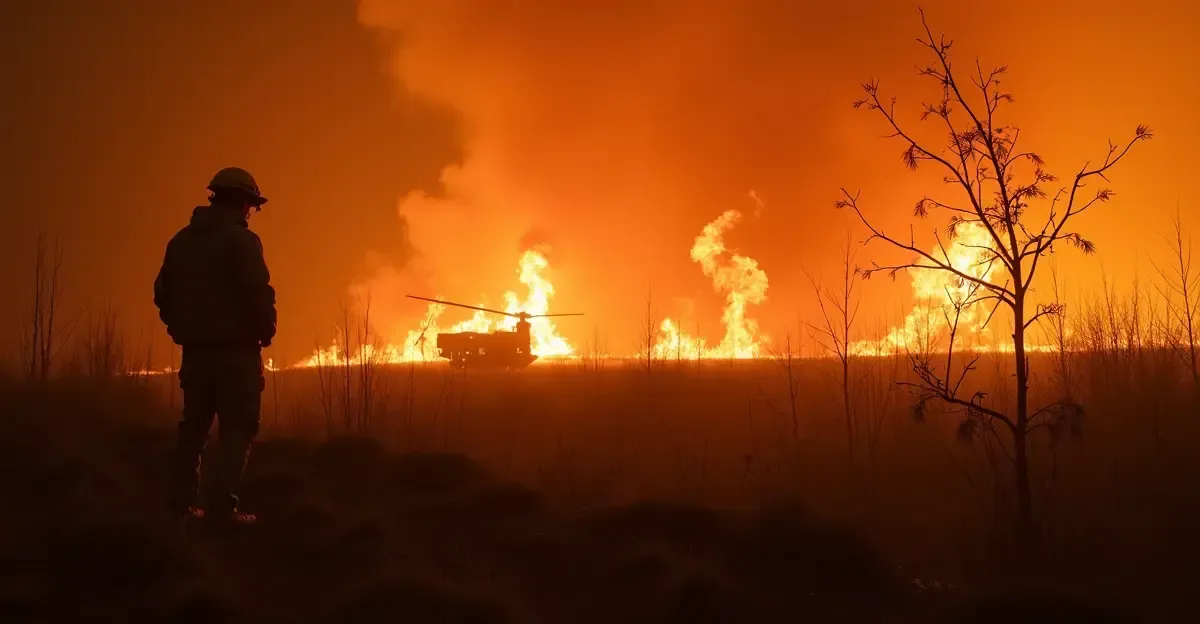
Germany's Bundeswehr has deployed armoured tracked vehicles to cut firebreaks and helicopters to drop water, while police use water cannons to dampen the fire's edges. According to the WDR public broadcaster, up to 600 firefighters are rotating in 12-hour shifts and the operation is expected to continue at least until Monday. Five people have been reported injured: one elderly evacuee with heart problems and four emergency responders. 'I came back from work and suddenly saw a lot of smoke,' one Gey resident told NOS. 'I'm afraid I'll lose my house because the wind keeps changing direction.'
Evacuation impact and local response
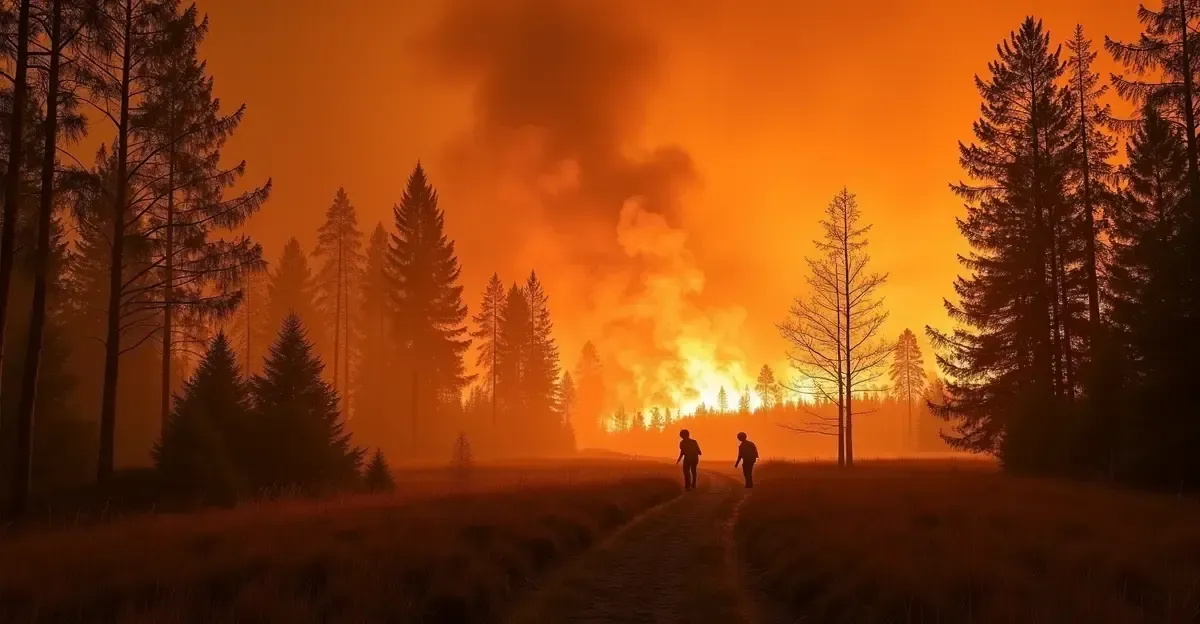
Some residents are sleeping in caravans at the edge of the village to stay close to their homes, while others have been accommodated in emergency centres in Düren and nearby towns. Authorities arranged for evacuees to collect medication and important documents, though one resident described the experience as alarming: 'We were only in the house for ten minutes and the whole village was blue. I could feel it in my throat.' A nearby horse farm moved around 40 horses to safety, and a primary school and sports club have been set up as contact points for displaced families. Similar to the 2026 wildfire response in Europe, local volunteers and farmers have joined the effort with tractors and water barrels.
What is the outlook for the Hürtgenwald wildfire?
The cause of the fire remains unknown, and changing winds have complicated containment. With temperatures forecast to reach up to 38°C and no guaranteed rain over the weekend, officials warn the fire could burn for days. Minister President Hendrik Wüst cut short his holiday to visit the area, while climate change and wildfire risk have reignited political debate about preparedness for large-scale forest fires in Germany. Forest fire warning levels in the region remain at four out of five, the second-highest category.
Frequently Asked Questions
Where is the Gey wildfire located?
The fire is burning in the Hürtgenwald area near Gey in North Rhine-Westphalia, western Germany, close to the Belgian and Dutch borders.
How many people have been evacuated?
About 2,000 residents of the Gey district were evacuated early on Friday, 14 August 2026.
Why is the fire hard to extinguish?
Unexploded Second World War munitions buried in the Hürtgen Forest make it too dangerous for fire crews to enter much of the area, forcing them to fight from the perimeter.
How large is the wildfire?
The fire has burned an estimated 300 hectares, making it the largest wildfire ever recorded in North Rhine-Westphalia.
What caused the Hürtgenwald wildfire?
The cause is still unknown as of 14 August 2026, and an investigation is expected once the fire is brought under control.


Follow Discussion