


 Deutsch
 English
 Español
 Français
 Nederlands
 Português


 Share
Share




What is happening at Müritz National Park?
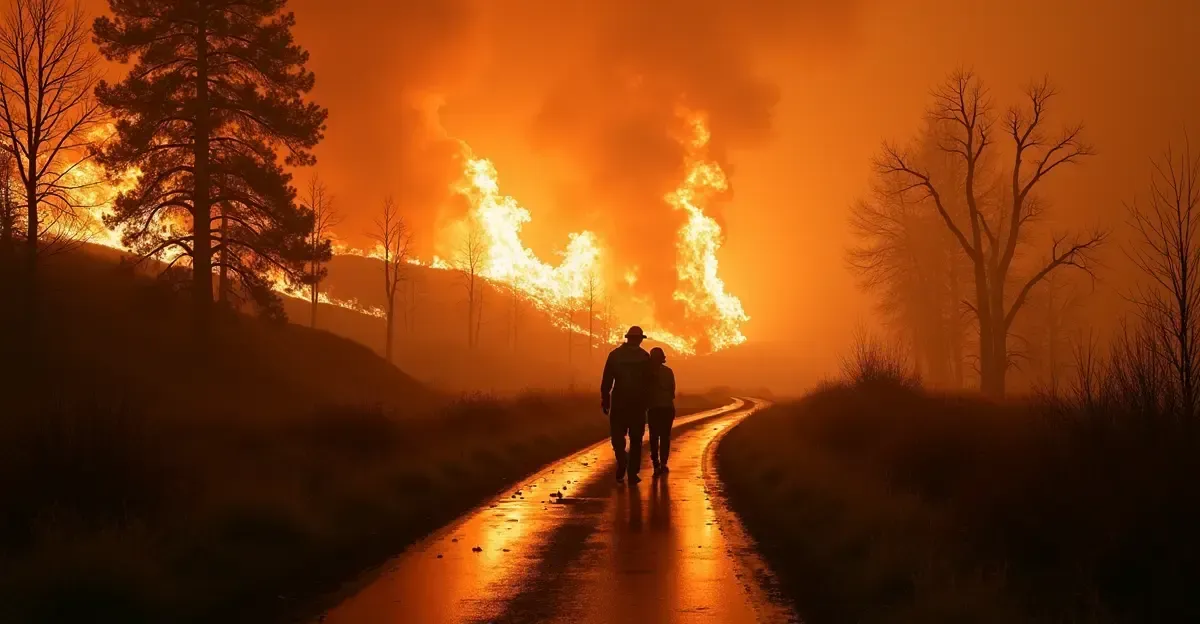
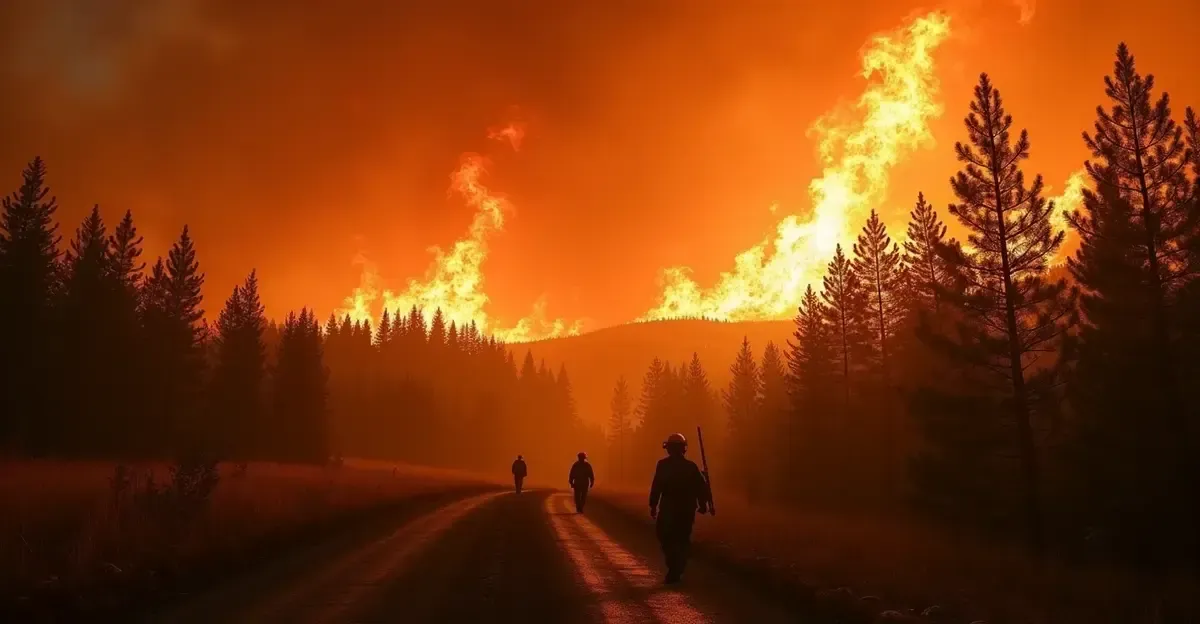
A major wildfire in Germany's Müritz National Park has been burning for days, with firefighters unable to directly combat the flames due to the presence of unexploded World War II-era ordnance buried in the ground. The blaze, which began on July 13, 2026, has consumed approximately 390 hectares of forest — an area more than twice the size of the city center of Utrecht. The fire is located in a former Soviet military training ground that was used until 1990, leaving the soil heavily contaminated with anti-tank grenades and other munitions.
Why can't firefighters reach the blaze?
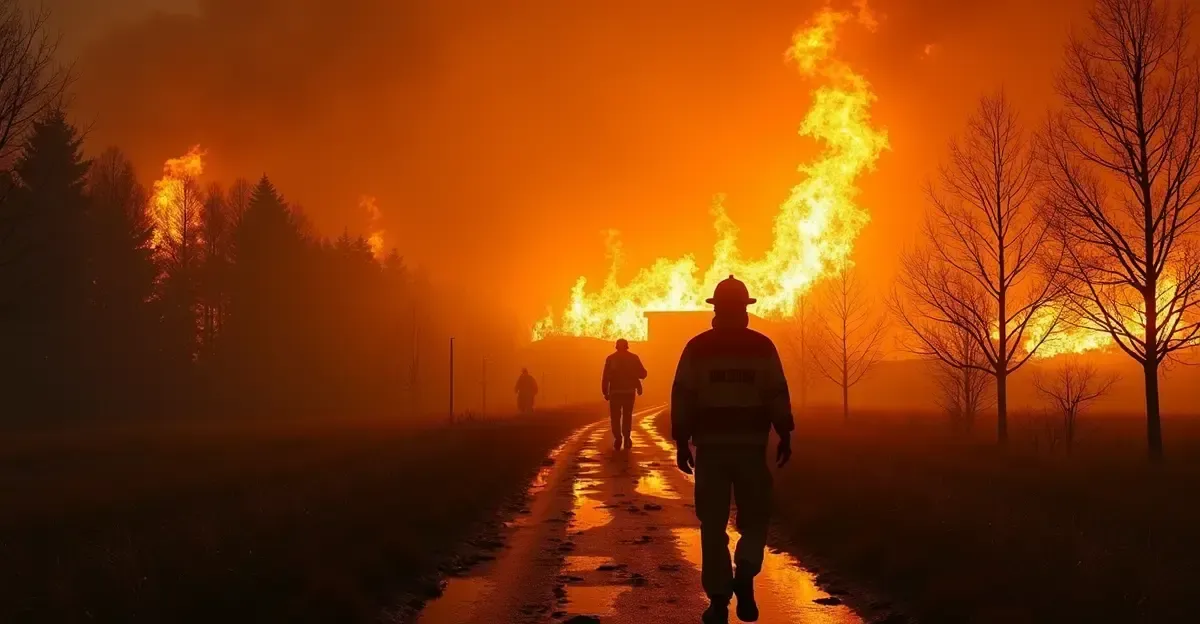
The primary obstacle is the extreme danger posed by unexploded ordnance (UXO). Safety protocols mandate a minimum 1,000-meter exclusion zone around the burning area, preventing ground crews from approaching the flames with traditional equipment. According to the German broadcaster NDR, multiple explosions have already been heard as the fire heats buried munitions. Firefighters must operate from a safe distance, using agricultural sprinklers to keep surrounding vegetation wet and prevent the fire from spreading further. A district spokesman, Marten Schröder, stated: 'Rescue services cannot actively fight the fire because of this hazard.'
Evacuations and emergency response
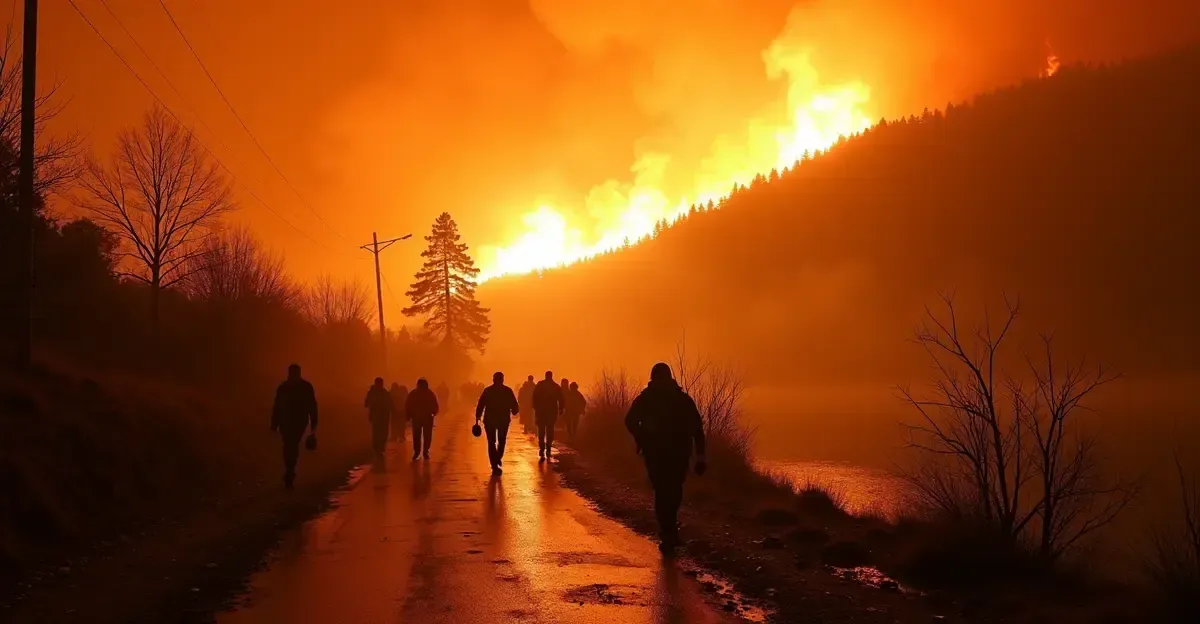
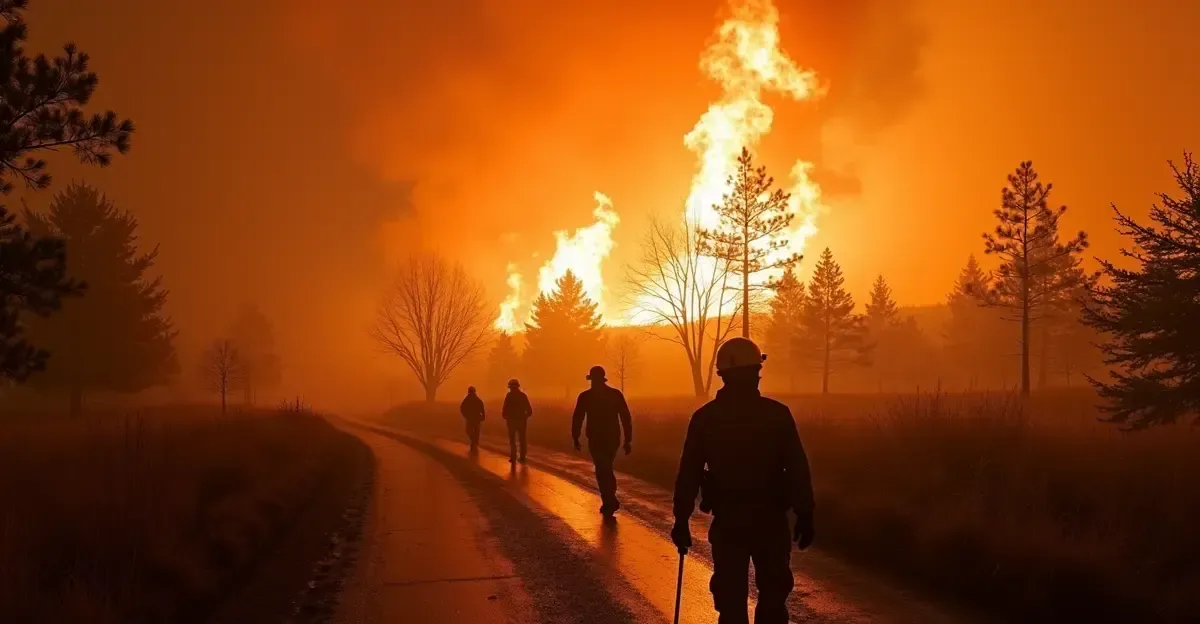
The nearby village of Granzin, home to approximately 100 residents, was evacuated on Monday. A second evacuation was ordered later in the week as shifting winds pushed flames closer to the settlement. Over 400 emergency personnel are on the scene, including firefighters from Bavaria, Saxony, and Brandenburg, supported by two Bundeswehr CH-53 helicopters. However, even aerial firefighting is limited — helicopters cannot fly directly over the blaze due to the risk of triggering explosions, and water dropped from a safe altitude may be dispersed by wind before reaching the target.
Authorities have closed several lakes in the area to recreational users so that helicopters can collect water for firefighting operations. The fire's containment strategy relies on creating firebreaks by plowing fields and installing a network of 150 irrigation sprinklers around the perimeter. Officials report that the fire is spreading more slowly thanks to these measures, but no all-clear has been given. The impact of climate change on European wildfires has made operations like this increasingly common across the continent.
Historical context: A legacy of military contamination
The affected area was used by the Soviet Army for tank and artillery training from the end of World War II until German reunification in 1990. Thousands of hectares of land in Mecklenburg-Vorpommern remain contaminated with unexploded munitions, making them hazardous for any ground activity. Similar challenges with unexploded ordnance in former war zones have complicated disaster response efforts in multiple European countries. Environment Minister Till Backhaus has noted that the fire remains under observation but is far from extinguished, and experts warn that the soil may remain dangerously hot — up to 180°C at 30 cm depth — for days.
Broader European wildfire crisis
The Müritz fire is occurring against the backdrop of a severe European heatwave and drought conditions. In July 2026 alone, wildfires have ravaged over 12,000 hectares in Spain, while France has also seen major blazes. The European Environment Agency reports that heatwaves account for approximately 95% of the 441,000 deaths caused by extreme weather in Europe between 1980 and 2024. The EU has prepared its largest-ever wildfire response for summer 2026, pre-positioning 777 firefighters across high-risk member states. The EU's strategy for wildfire prevention and response is being debated in the European Parliament as climate change continues to intensify fire risks.
FAQ
How did the Müritz wildfire start?
The cause of the fire remains unknown. Investigations are ongoing, but dry conditions and record-breaking heat have created a tinder-dry environment across much of northern Europe.
Is the fire under control?
No. As of July 18, the fire is still active and has spread to approximately 390 hectares. Firefighters have contained the perimeter using sprinklers and firebreaks, but the core area continues to burn and smolder due to inaccessible terrain.
When can residents return to Granzin?
Evacuations have been temporarily lifted at times, but a second evacuation order was issued due to shifting winds. Officials have not given a timeline for residents to return permanently, as conditions remain volatile.
Why can't helicopters drop water directly on the fire?
Helicopters must maintain a safe distance from the blaze because the heat could trigger explosions of buried munitions. Water dropped from high altitude is often dispersed by wind before reaching the flames, reducing its effectiveness.
How common are UXO-related firefighting challenges in Germany?
Germany has thousands of hectares of former military training grounds contaminated with unexploded ordnance from both World War II and post-war Soviet exercises. These sites pose ongoing risks for wildfires, construction, and public safety.
Follow Discussion