


 Deutsch
 English
 Español
 Français
 Nederlands
 Português


 Share
Share




EU's Most Destructive Wildfire Season Explained: 2025 Record Burned Area
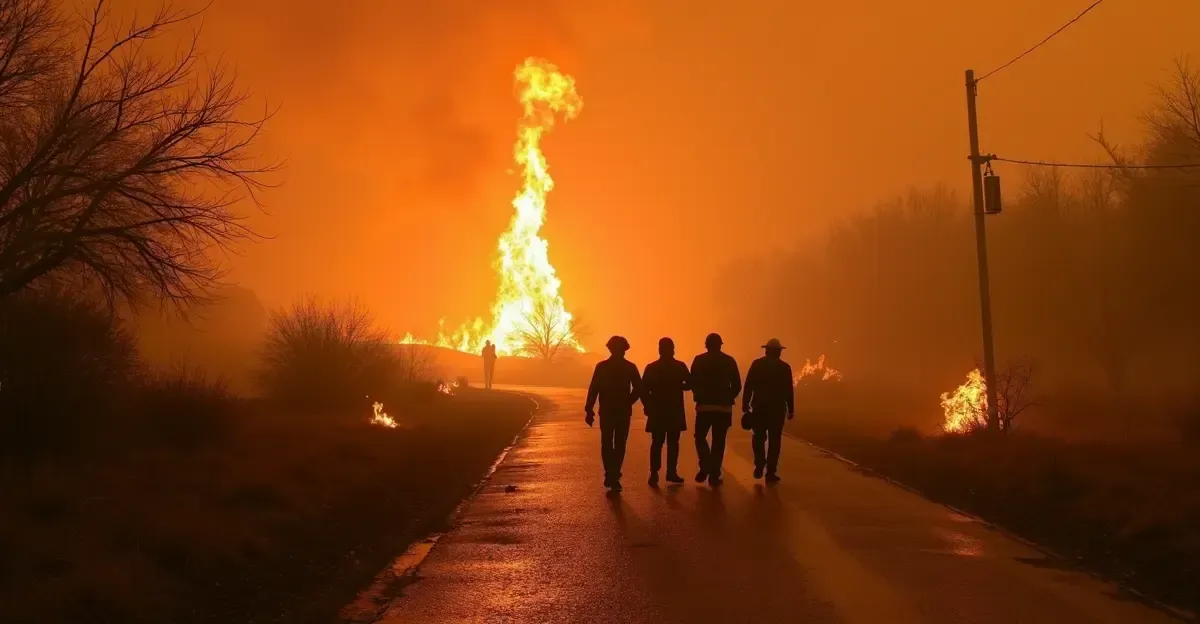
The European Union experienced its most devastating wildfire season on record in 2025, with over 1 million hectares burned across EU countries - an area equivalent to the entire island of Cyprus. According to comprehensive data analysis from the European Commission's Joint Research Centre (JRC), the 2025 fire season marked the worst destruction since systematic monitoring began, with nearly double the average burned area of previous years and fires affecting 25 of 27 EU member states.
What Was the 2025 EU Wildfire Season?
The 2025 European wildfire season was the most destructive on record for the European Union, with 1,079,538 hectares burned across EU countries according to the European Forest Fire Information System (EFFIS). This represents the highest burnt area recorded since 2006 and nearly double the 2006-2024 average. The season began unusually early in March with over 100,000 hectares already burned by month's end, intensified dramatically during summer heatwaves, and peaked in August when 22 very large fires simultaneously affected Portugal and Spain.
Key Statistics and Geographic Impact
Record-Breaking Numbers
The scale of destruction in 2025 was unprecedented. Germany, Spain, Cyprus, and Slovakia all experienced their worst wildfire seasons on record. Only Luxembourg and Malta remained completely unaffected. The Iberian Peninsula was particularly devastated, with Spain and Portugal accounting for 43% of the total EU burned area - approximately 460,585 hectares during the intense August heatwave period.
Regional Distribution of Damage
'The peak in August was significantly higher than in previous years,' noted EFFIS analysts. The data reveals a clear geographic pattern:
- Spain: 393,079 hectares burned (record high)
- Portugal: 278,387 hectares burned (record high)
- Germany: Record wildfire season
- Cyprus: Record wildfire season
- Slovakia: Record wildfire season
Climate Change and Changing Fire Patterns
The 2025 wildfire season revealed alarming trends that experts attribute directly to climate change. The European heatwaves of 2025 created ideal conditions for fire spread, with temperatures reaching record highs across the continent. Research shows that fire-prone weather has become 10 times more likely in some Mediterranean regions due to climate change.
Three Key Climate-Related Trends
- Earlier Fire Seasons: The 2025 season began in March, months earlier than historical averages
- More Intense Heatwaves: Record-breaking temperatures created drier conditions
- Northward Expansion: Fires are increasingly occurring at higher latitudes than historically observed
EU Response and New Strategy
In response to the catastrophic 2025 season, the European Commission launched a comprehensive new wildfire strategy in March 2026. The four-pillar approach focuses on:
| Pillar | Key Measures |
|---|---|
| Prevention | Resilient landscape planning, climate adaptation guidance |
| Preparedness | Updated risk assessments, citizen engagement, AI modeling |
| Response | Expanded rescEU fleet (12 new planes, 5 helicopters) |
| Recovery | Firefighter health monitoring, ecosystem restoration |
The strategy represents a fundamental shift toward integrated fire management, recognizing that traditional approaches are insufficient against climate change impacts on wildfire behavior.
Beyond EU Borders: The Wider European Picture
When including non-EU European countries and Middle East/North Africa regions monitored by EFFIS, the total burned area reached 2,242,195 hectares. Ukraine emerged as the most impacted country outside the EU, with nearly 600,000 hectares burned - approximately one-third of the total burned area measured across all monitored regions.
'The enormous amount of forest fires in Ukraine is partly the result of the war,' noted researchers, highlighting how conflict can exacerbate environmental disasters. The combined impact across Europe, the Middle East, and North Africa represents one of the most significant wildfire events in recent history.
Environmental and Economic Consequences
The 2025 wildfires released massive amounts of carbon dioxide into the atmosphere, with Spain alone emitting 17.68 million tonnes - more than Croatia's total annual emissions in 2023. The fires also caused:
- At least 30 confirmed deaths
- Over 266 injuries
- Evacuation of more than 105,610 people
- Widespread destruction of homes and agricultural land
- Significant damage to natural habitats and protected areas
Future Outlook and Adaptation
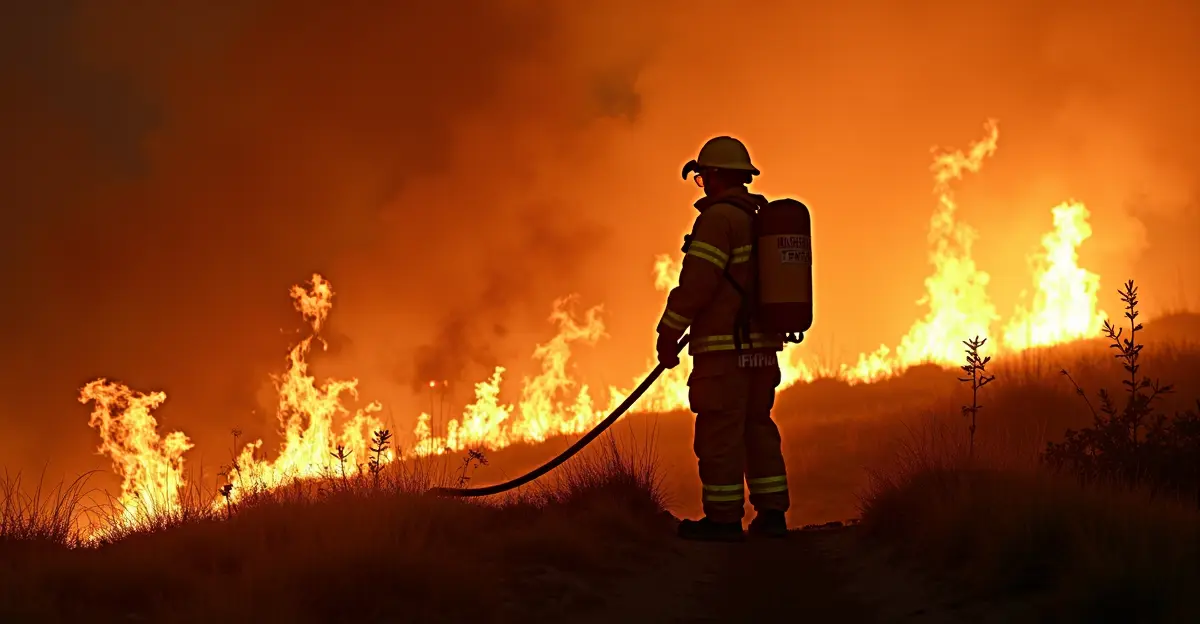
European firefighting units are adapting to new realities, with Dutch firefighters learning waterless firefighting techniques in Southern Europe to combat fires where water resources are limited. The trend toward earlier, more intense fire seasons requires fundamental changes in land management, emergency response, and climate adaptation strategies across the continent.
Frequently Asked Questions
How much area burned in the 2025 EU wildfire season?
Over 1 million hectares burned across EU countries - equivalent to the entire island of Cyprus. This was nearly double the 2006-2024 average.
Which countries were most affected?
Spain and Portugal were most severely impacted, accounting for 43% of total EU burned area. Germany, Spain, Cyprus, and Slovakia all experienced their worst wildfire seasons on record.
How does climate change relate to the 2025 wildfires?
Climate change made fire-prone weather 10 times more likely in some Mediterranean regions. Record heatwaves, earlier fire seasons, and northward expansion of fire zones are all linked to climate change.
What is the EU doing to prevent future disasters?
The European Commission launched a comprehensive new strategy in March 2026 focusing on prevention, preparedness, response, and recovery, including expanded firefighting fleets and AI-assisted modeling.
How does 2025 compare to historical wildfire seasons?
2025 was the worst wildfire season since systematic monitoring began in 2006, though historical data from the 1990s shows higher figures. Current trends show increasing fire intensity due to climate change.

Follow Discussion