


 English
 Nederlands
 Deutsch
 Français
 Español
 Português

Daily News Summary – 2026-05-15 – en

In today's global news, a historic milestone marks NATO's defense spending as all members meet the 2% GDP target, while critical mineral supply chains face a new era of resource nationalism and cartel-like dynamics. The AI industry grapples with a 7 GW data center capacity shortfall due to transformer and grid bottlenecks, prompting hyperscalers to secure power assets. The FORGE alliance launches to counter China's rare earth dominance, and the US dollar's reserve share hits a 30-year low amid de-dollarization trends. Defense spending surges to $2.6 trillion, reshaping economies, while tariff volatility becomes a permanent structural shift. BRICS advances alternative payment systems and a gold-backed settlement unit, challenging dollar hegemony.
Top Stories
NATO Allies All Meet 2% GDP Defense Spending Target for First Time
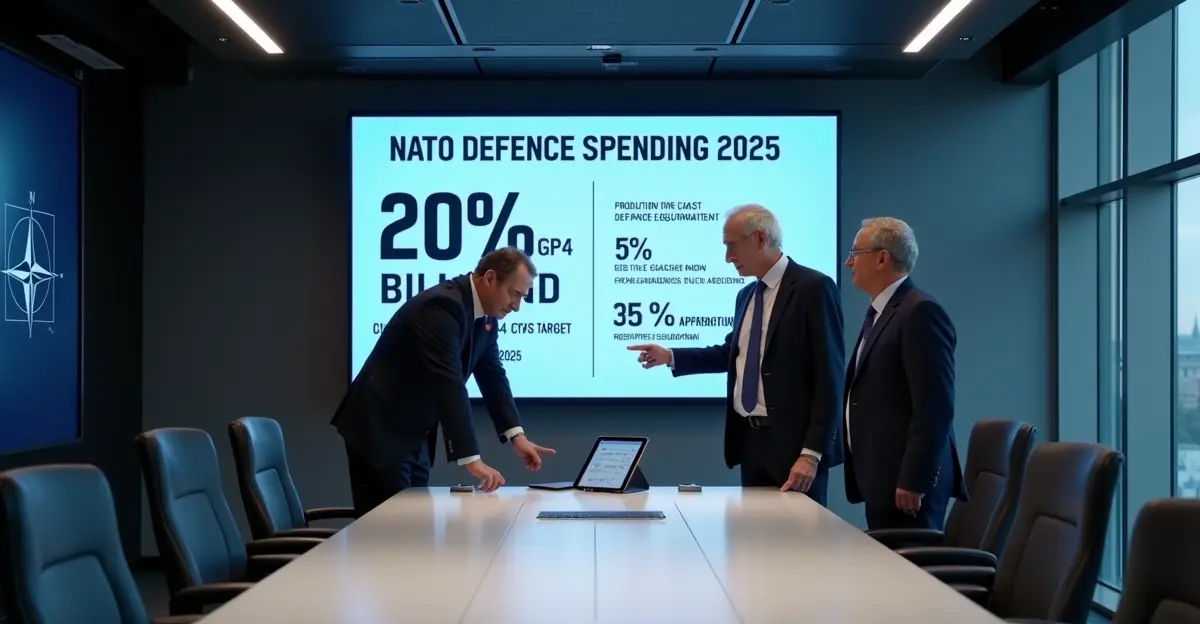
In a historic milestone, NATO reported that all European Allies and Canada met or exceeded the 2% GDP defense spending target for the first time, with a 20% increase over 2024. This marks a structural shift in European defense posture and deterrence capabilities.
Critical Mineral Supply Chains Reshape Global Alignments

The global order is being redrawn by strategic control of lithium, cobalt, and rare earths. With the US, EU, and China racing to secure supplies through friend-shoring, stockpiles, and bilateral deals, a new multipolar economic order emerges.
AI Data Center Grid Bottleneck Creates 7 GW Capacity Shortfall

Nearly half of planned US AI data centers for 2026 are delayed due to transformer and switchgear shortages, creating a 7 GW gap. Lead times of 36-48 months mean that control over power assets is now a decisive strategic advantage.
AI Infrastructure Crisis: Power Grid Now the Bottleneck
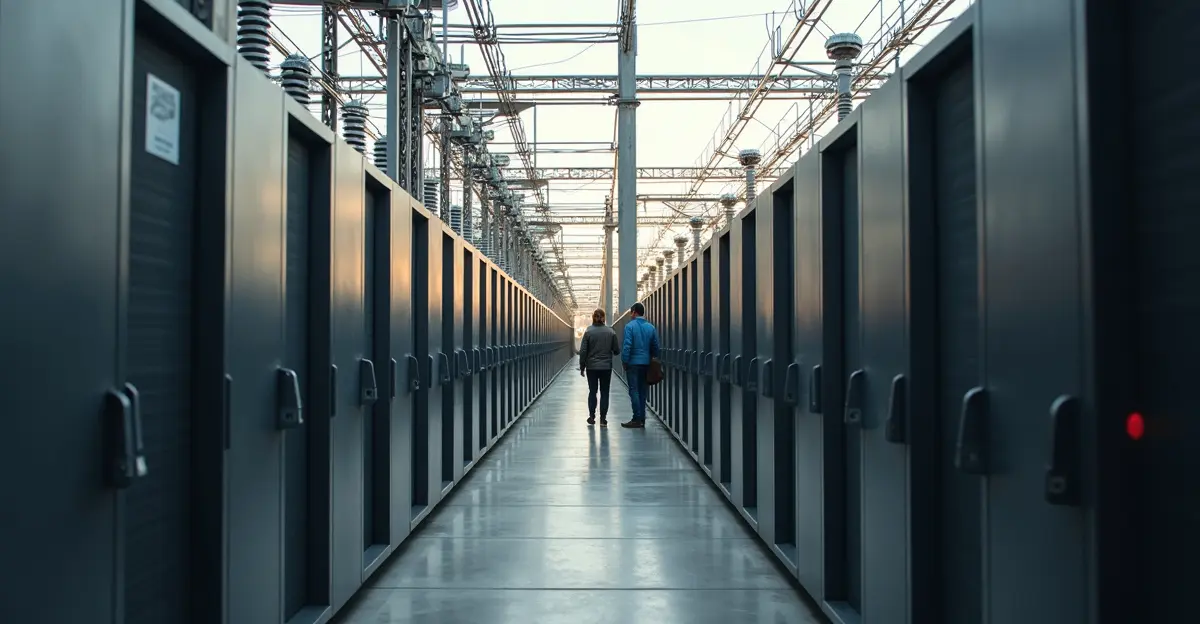
Despite $650 billion in hyperscaler capex, only one-third of planned data center capacity is under construction. Physical electrical infrastructure, not capital or chips, is the binding constraint on AI growth.
FORGE Alliance Launches to Counter China's Critical Mineral Dominance
The US-led FORGE alliance of 54 countries creates a preferential trade-and-investment zone for critical minerals with price floors and a $10 billion strategic reserve, directly challenging China's near-total refining dominance.
Also Notable
Economy
De-Dollarization Accelerates as BRICS Trade Hits 67% in Local Currencies

The US dollar's reserve share fell below 57% for the first time since 1995, while BRICS+ nations now conduct 67% of intra-bloc trade in local currencies. Central bank gold purchases reach record levels.
Dollar's Reserve Share at 30-Year Low: A Multipolar System Emerges

IMF data shows the dollar's share at 56.3%, driven by sanctions weaponization, BRICS local-currency trade, and record gold buying. A multipolar financial architecture is slowly replacing dollar hegemony.
BRICS Payment System and Gold-Backed Unit Challenge Dollar Dominance

BRICS is maturing two parallel financial infrastructures: BRICS Pay for cross-border payments and the 'Unit,' a gold-backed digital settlement token. These could meaningfully erode dollar dominance in trade settlement.
War
Global Defense Spending Surpasses $2.6 Trillion in 2026

The fastest sustained rearmament since the Cold War sees military spending reach $2.6 trillion, driven by NATO expansion, Asia-Pacific modernization, and Middle East conflicts. The IMF warns of trade-offs between guns and butter.
Trade War
Tariff Volatility Becomes Permanent Structural Shift in Global Trade

76% of trade professionals believe US tariffs will persist for at least four years. Companies are responding with sourcing changes, nearshoring to Mexico, and AI adoption for trade compliance.
Geopolitics
BRICS Pay and Gold-Backed 'Unit' Test Dollar Hegemony

The BRICS bloc is launching a blockchain-based payment system and a gold-backed digital asset, aiming to reduce reliance on the US dollar for cross-border settlements. Internal divisions and shallow capital markets pose challenges.
Critical Minerals Cartel: Resource Nationalism Reshapes Global Supply Chains
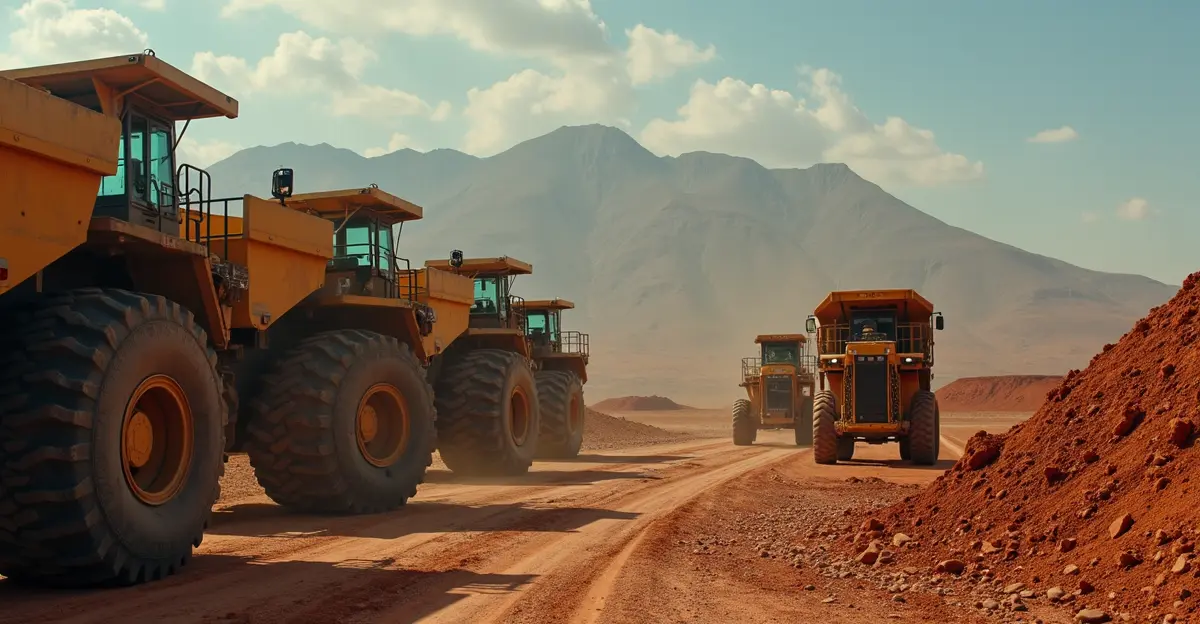
Resource-rich nations like Indonesia, Chile, and the DRC are imposing export controls and nationalizing assets, while China tightens its rare earth stranglehold. The West responds with FORGE, Project Vault, and the EU Critical Raw Materials Act.
 Share this article



