


 Deutsch
 English
 Español
 Français
 Nederlands
 Português


 Share
Share




The European State of the Climate (ESOTC) 2025 report, published jointly by the EU's Copernicus Climate Change Service (C3S) and the World Meteorological Organization (WMO) on 29 April 2026, paints a stark picture of a continent in crisis. At least 95% of Europe experienced above-average annual temperatures in 2025, making it one of the hottest and driest years on record. The report confirms that Europe remains the world's fastest-warming continent, with heatwaves, droughts, and wildfires reaching unprecedented levels, while sea surface temperatures hit record highs for the fourth consecutive year.
Record-Breaking Heatwaves Across Europe
Multiple intense heatwaves struck Europe in 2025, with a particularly severe 25-day event in July. Sub-Arctic Fennoscandia—encompassing Norway, Sweden, and Finland—endured an extraordinary 21 consecutive days with temperatures exceeding 30°C within the Arctic Circle. For the first time in recorded history, Türkiye reached 50°C. The Netherlands experienced two official heatwaves in a single year, a rare occurrence for the country. According to the climate change attribution science field, these heatwaves are becoming more frequent and intense due to human-caused climate change.
Devastating Wildfires and Record Carbon Emissions
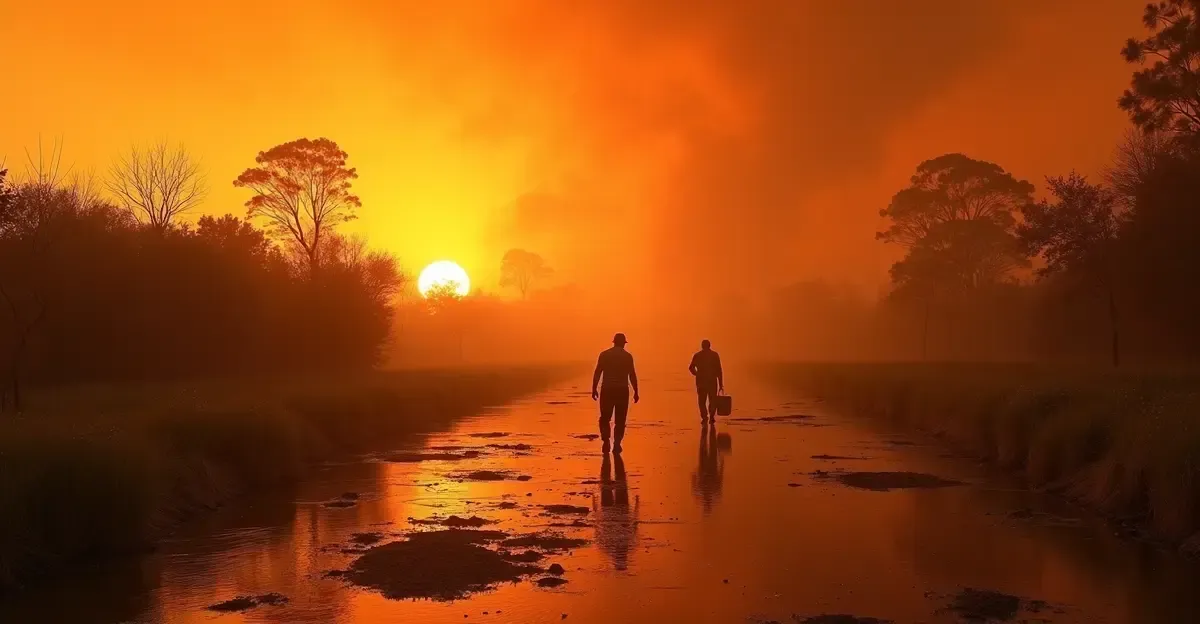
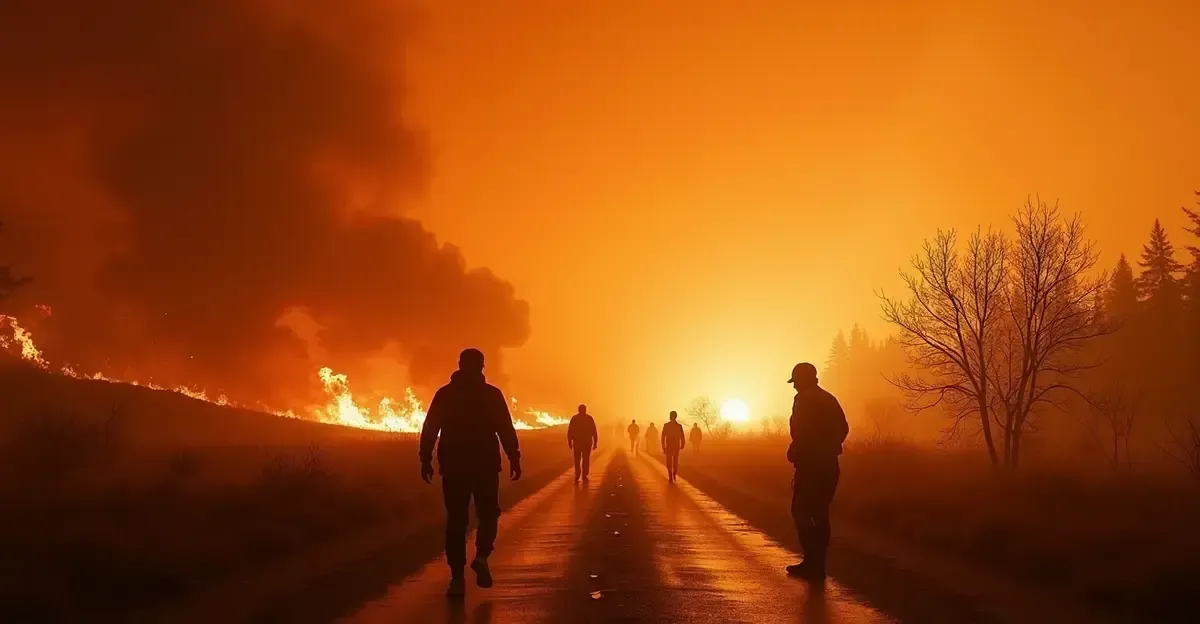
The combination of extreme heat and prolonged drought created perfect conditions for wildfires across the continent. In Spain's Zamora province, a single wildfire burned approximately 40,081 hectares—the largest individual fire since records began in 1968. The fire, which started near Molezuelas de la Carballeda on 10 August 2025, killed three people and forced the evacuation of over 30 villages, displacing about 7,800 people. Spain accounted for half of all European wildfire carbon emissions in 2025.
Across Europe, wildfires emitted a record 47 million tonnes of carbon, the highest annual total ever recorded. The Netherlands, Cyprus, the United Kingdom, and Germany also reported their highest-ever wildfire emissions. In total, more than 1 million hectares burned—the largest area on record. The 2025 wildfire season in Europe saw fires in Portugal, Spain, and Greece destroy over 10,000 square kilometers of land.
Drought and Water Scarcity
The ESOTC 2025 report highlights that northwestern and central Europe experienced one of the ten driest years on record. Over a third of Europe suffered extreme agricultural drought, with soil conditions the driest in 33 years. Some parts of the Netherlands recorded notably low rainfall. As a result, 70% of European rivers had below-average annual flows, impacting agriculture, energy production, and ecosystems. This marks a sharp contrast to the flooding that hit parts of Europe in 2023 and 2024.
Record Ocean Temperatures and Marine Heatwaves
European sea surface temperatures reached their highest levels on record for the fourth consecutive year. Marine heatwaves affected 86% of European waters, with 36% classified as severe or extreme—the highest percentage ever recorded. The Mediterranean Sea reached 30°C in some areas. Warmer ocean waters not only harm marine life but also warm the air above, increasing the likelihood of extreme rainfall events, as seen in the devastating 2024 Valencia floods that killed over 220 people.
KNMI climatologist Gerard van der Schrier noted: 'Warmer seawater has a huge impact on marine life, but also on us. It warms the air above and that air blows onto land, bringing more moisture. This can lead to extreme precipitation.'
Shrinking Ice and Snow Cover
The report documents accelerating cryosphere loss. The Greenland Ice Sheet lost 139 gigatonnes of ice in 2025. Snow cover in March was 31% below average—the third-lowest extent since 1983. All European glacier regions experienced net mass loss, with Iceland recording its second-largest annual loss. Rapid warming in polar regions, which form a large part of the European continent, is a key driver of Europe's status as the fastest-warming continent. As snow and ice melt, darker surfaces are exposed, absorbing more heat and amplifying warming—a feedback loop known as the albedo effect.
Renewable Energy Milestones
Amid the climate extremes, 2025 also brought progress in clean energy. Wind and solar power supplied 30% of EU electricity, surpassing fossil fuels (29%) for the first time. Solar power alone generated a record 12.5% of Europe's electricity. Renewables accounted for 46.4% of total electricity generation, underscoring the continent's accelerating energy transition. The EU renewable energy targets 2030 remain critical for reducing emissions.
Human and Economic Toll
The human cost of Europe's climate extremes in 2025 was significant. At least 21 people died in storms and floods, while wildfires claimed at least three lives in Spain and multiple fatalities in Portugal and Cyprus. Copernicus estimates that 14,500 people were directly affected by storms and floods. Heat-related mortality is also rising, with scientists attributing increased death tolls to more intense and frequent heatwaves.
Van der Schrier summarized the complex reality: 'It remains a complicated discussion that drought and extreme rainfall both fit within the picture of climate change. They are two sides of the same climate change coin.'
FAQ
What is the European State of the Climate 2025 report?
The ESOTC 2025 report is an annual assessment by the Copernicus Climate Change Service (C3S) and the World Meteorological Organization (WMO), providing a comprehensive overview of Europe's climate conditions, extreme events, and long-term trends for the year 2025.
How hot was Europe in 2025?
At least 95% of Europe experienced above-average annual temperatures. Sub-Arctic regions saw 21 consecutive days above 30°C, and Türkiye reached 50°C for the first time. The Netherlands recorded two official heatwaves.
What caused the record wildfires in Europe in 2025?
Extreme heat, prolonged drought, and dry vegetation created ideal conditions. Spain's Zamora fire was the largest in the country's history, burning over 40,000 hectares. Europe's wildfire carbon emissions hit a record 47 million tonnes.
How are marine heatwaves affecting Europe?
86% of European waters experienced marine heatwaves in 2025, the highest on record. Sea surface temperatures reached record highs for the fourth year running, harming marine ecosystems and increasing the risk of extreme rainfall.
What is being done to address Europe's climate crisis?
Europe is accelerating its energy transition: wind and solar surpassed fossil fuels for the first time in 2025, supplying 30% of EU electricity. Renewables accounted for 46.4% of generation. However, the report emphasizes the need for faster adaptation and mitigation.



Follow Discussion