


 English
 Nederlands
 Deutsch
 Français
 Español
 Português

Daily News Summary – 2026-04-28 – en

Today's global news landscape is dominated by interconnected crises and strategic shifts. The world faces a $1.4 trillion emerging market debt maturity cliff, Europe embarks on a historic defense buildup, and the US launches the FORGE initiative to counter China's critical minerals stranglehold. Geoeconomic confrontation tops the WEF risk rankings. Meanwhile, a foiled assassination attempt on President Trump at the WHCA dinner, a deadly train crash in Indonesia, and King Charles III's state visit amid security concerns underscore the day's major events. In technology, Taylor Swift trademarks her voice against AI deepfakes, China blocks Meta's acquisition of AI startup Manus, and Microsoft and OpenAI restructure their partnership. Australia proposes a news bargaining levy, and the UAE shocks oil markets by leaving OPEC.
Top Stories
A 31-year-old man has been charged with attempting to assassinate President Donald Trump after opening fire at the White House Correspondents' Association Dinner.
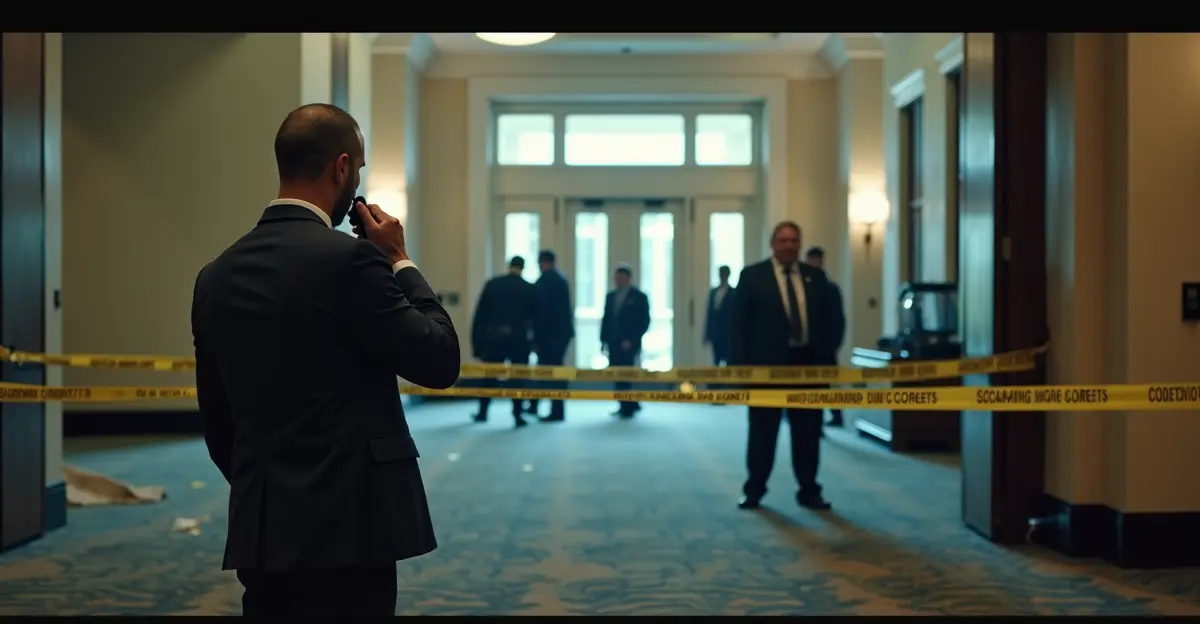
The suspect, Cole Tomas Allen, was charged with attempted assassination. A Secret Service agent was wounded but survived. The dinner was canceled.
Global pop superstar Taylor Swift has filed three trademark applications to protect her voice and likeness from unauthorized AI-generated deepfakes.

Swift filed sound marks for spoken phrases and a visual mark, aiming to use trademark law against AI voice cloning and deepfakes.
At least 14 people were killed and 84 injured when a long-distance train slammed into a stationary commuter train at Bekasi Timur station.

All fatalities were in a women-only carriage. President Prabowo allocated Rp4 trillion to upgrade railway crossings.
King Charles III and Queen Camilla began a four-day state visit to the United States with President Trump personally assuring the British monarch's safety.
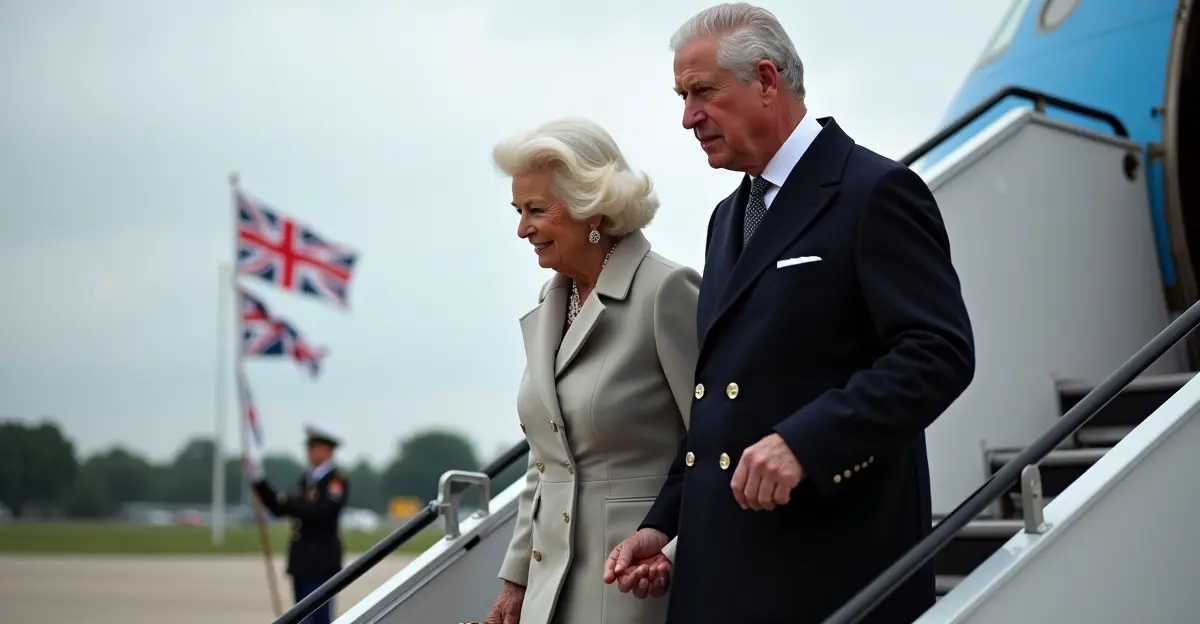
The visit proceeds despite a recent shooting incident. King Charles will address Congress and meet with Trump.
The FCC enacted a sweeping ban on the import and sale of new consumer-grade Wi-Fi routers manufactured outside the United States.

The ban targets potential backdoor vulnerabilities in foreign-made routers, affecting brands like TP-Link and Netgear.
Also Notable
Geopolitics
Global defense spending is projected to surpass $2.6 trillion in 2026, driven by Europe's most ambitious military buildup since the Cold War.

The IMF warns that the debt-financed nature of this surge may produce lower economic multipliers and crowd out green investments.
The U.S. launched FORGE, a plurilateral coalition to create a preferential trade zone for critical minerals, with $30 billion in financing.
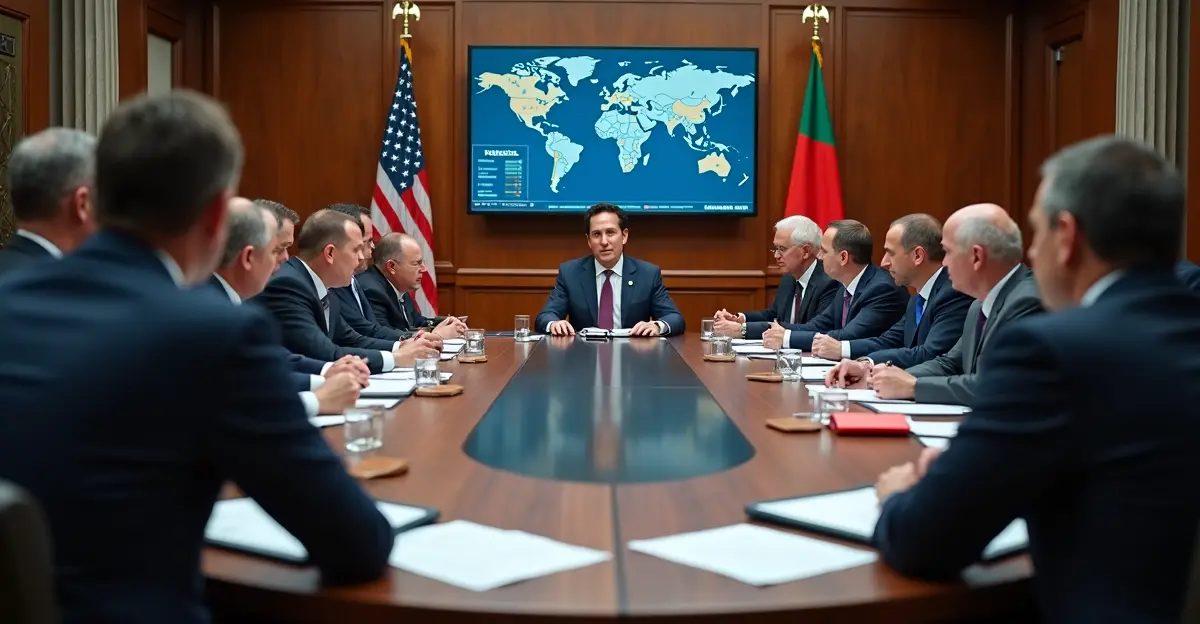
FORGE aims to counter China's dominance in rare earth processing with coordinated price floors and project finance.
European NATO members shattered records by increasing defense spending by 14% to $864 billion in 2025.
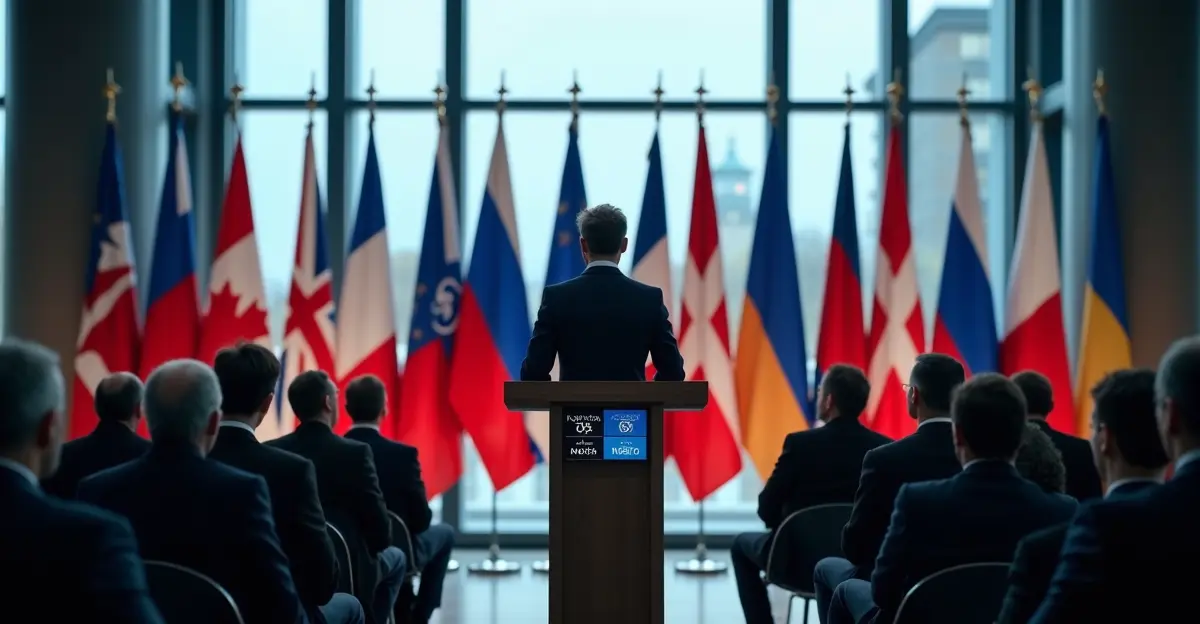
All 32 NATO members met the 2% GDP threshold and committed to 5% by 2035, with significant industrial and economic implications.
China's escalating export controls on rare earths, tungsten, and antimony have triggered sixfold price spikes outside China.
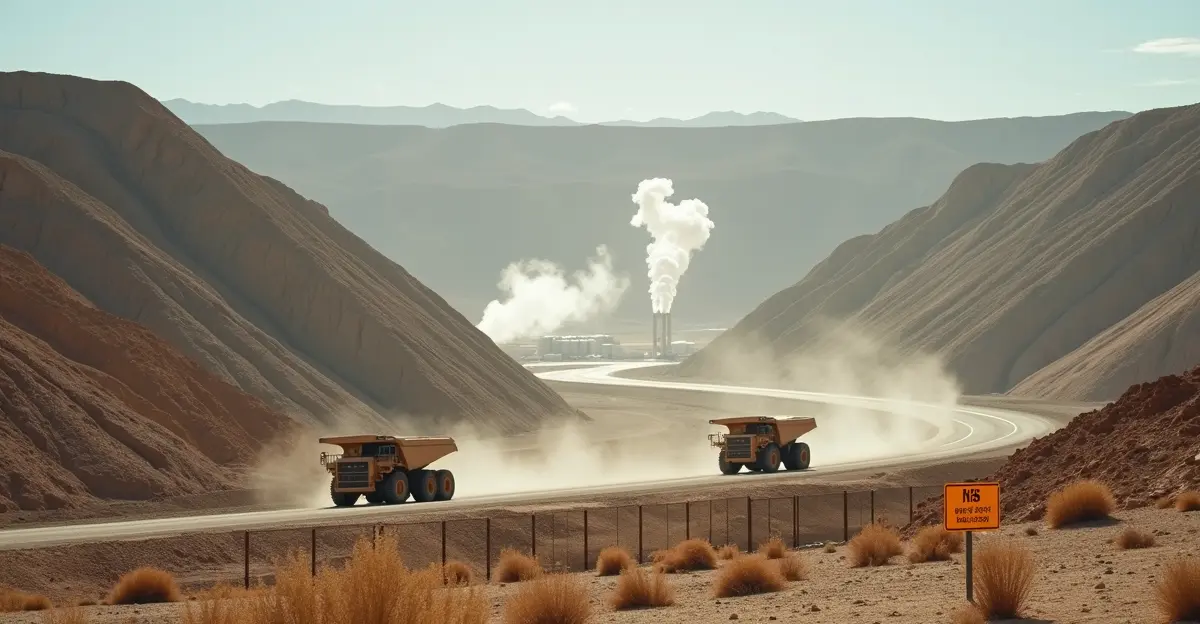
Western nations face a strategic crisis as licensing approval rates for European firms fall below 25%.
The Russian superyacht Nord, linked to sanctioned billionaire Alexey Mordashov, made a daring voyage through the Strait of Hormuz.

The passage underscores the limitations of Western sanctions and the deepening Russia-Iran axis.
Economy
Nearly two dozen emerging and frontier economies face a concentrated wave of bond maturities between mid-2026 and early 2027, totaling an estimated $1.4 trillion.

High interest rates and a strong dollar create a potential cascade of defaults, with systemic risks for global banks.
The US launched Project Vault, a $12 billion public-private partnership to establish a Strategic Critical Minerals Reserve.
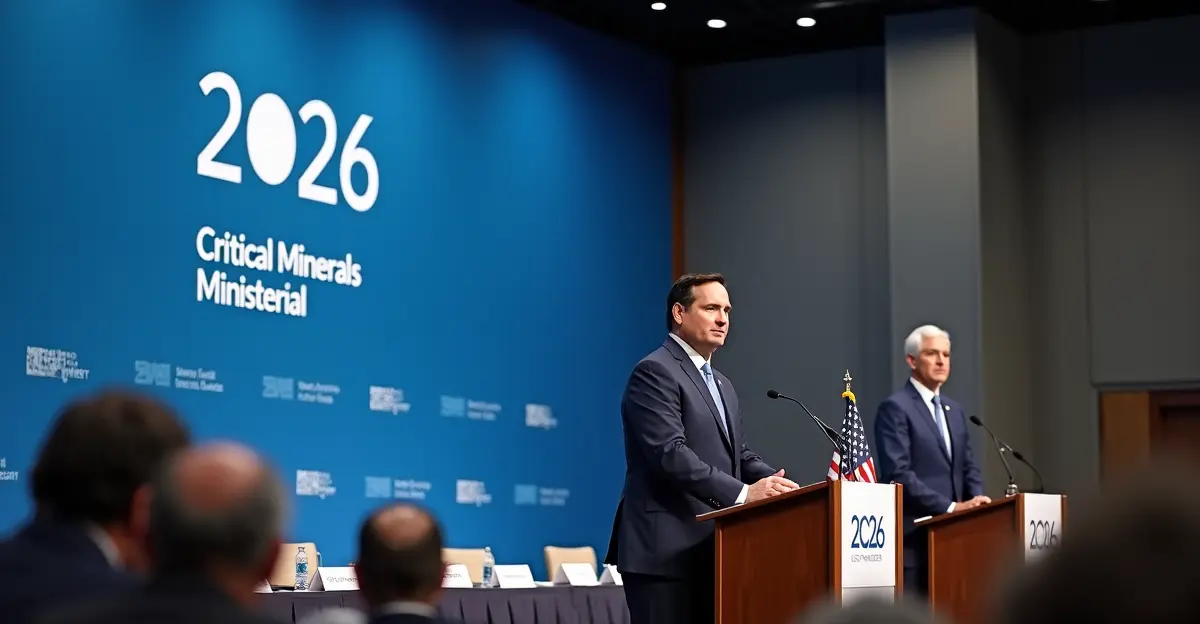
Part of the FORGE initiative, Project Vault aims to protect against supply shocks and price volatility.
BRICS+ nations now conduct approximately 67% of intra-bloc trade in local currencies, while the dollar's share of reserves fell to 56.3%.
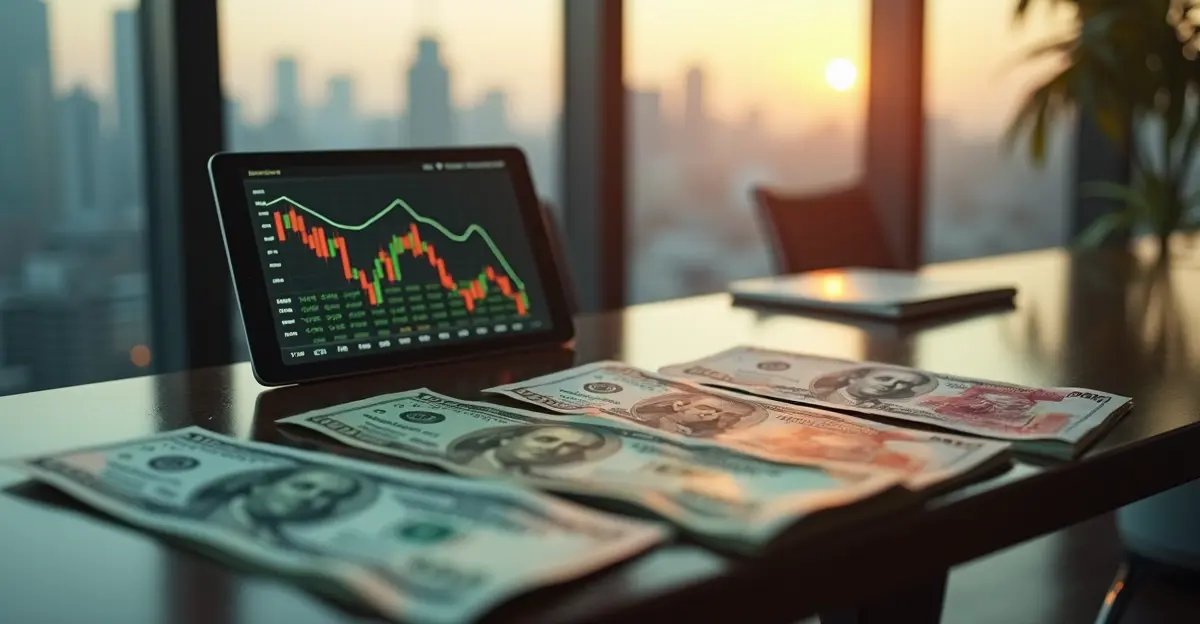
The dollar's decline is driven by sanctions weaponization and the rise of alternative payment systems like CIPS.
The BRICS bloc launched 'The Unit,' a gold-backed digital settlement token for cross-border trade.

The token is backed 40% by gold and 60% by a basket of member currencies, operating on the Cardano blockchain.
Shell announced the acquisition of ARC Resources for $13.6 billion, adding significant natural gas assets in Canada.

The deal boosts Shell's production growth and strengthens its position in LNG exports.
A coalition of scientists presented a comprehensive policy menu to accelerate the global transition away from fossil fuels.
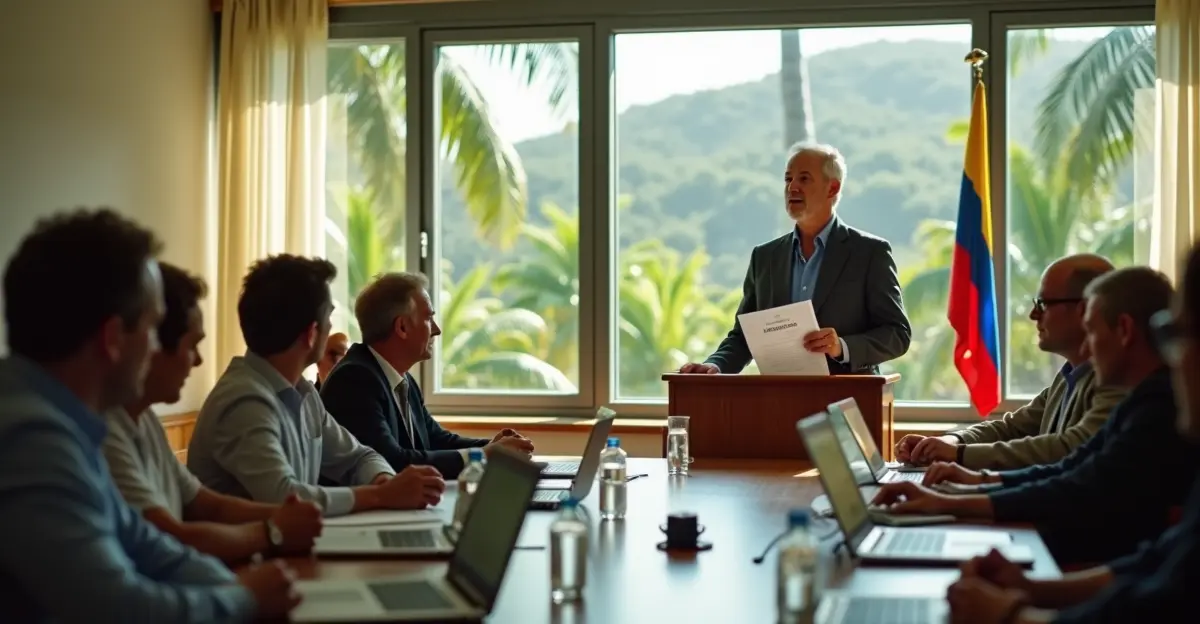
Recommendations include banning new fossil fuel infrastructure and prohibiting advertising by the industry.
Trade War
China's near-total dominance over global rare earth processing has become the defining geoeconomic flashpoint of 2026.
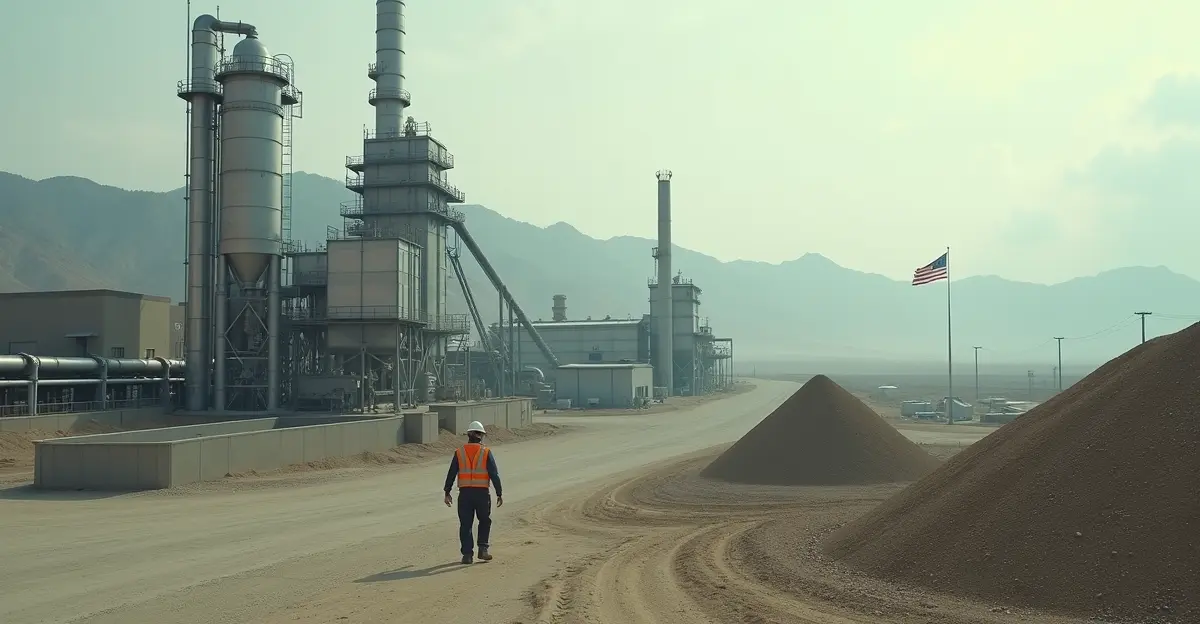
Export controls triggered sixfold price spikes and a 12-month pause expires in November 2026.
The World Economic Forum ranked geoeconomic confrontation as the top immediate global risk for 2026.
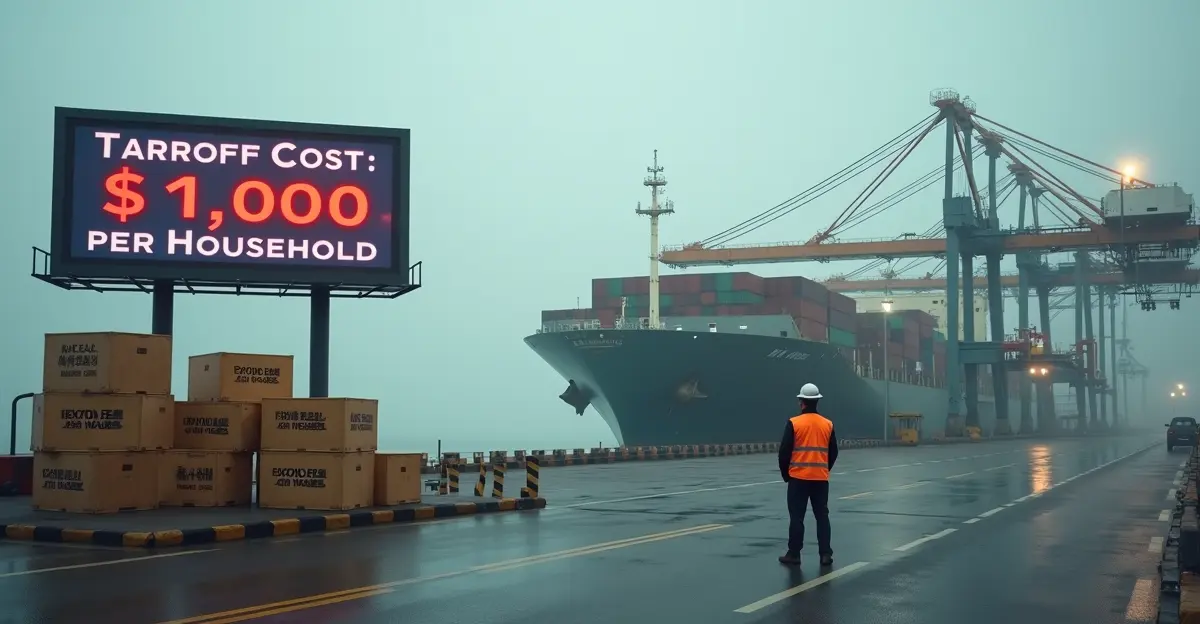
Nearly 75% of CEOs are localizing production, and tariffs cost households an estimated $1,000 annually.
Multinationals are adopting a 'triple-redundancy' strategy with parallel production across three regions at 15–25% higher cost.
Driven by the MATCH Act and EU CBAM, supply chains are reshoring to Vietnam, India, and Mexico.
China's critical minerals stranglehold threatens defense, EV, and renewable energy supply chains.

NATO's defense stockpiles are only sufficient for 6-9 months of high-intensity conflict.
Technology
A Taiwanese court sentenced a former TSMC employee to 10 years for stealing trade secrets for Tokyo Electron.
Three other former employees also received sentences. Tokyo Electron was fined $4.8 million.
China is developing a fully robotic and AI-driven system to suppress civil unrest without human officers.

The system uses drones, robot dogs, and unmanned vehicles for surveillance, isolation, and arrest.
China blocked Meta's $2 billion acquisition of AI startup Manus, citing foreign investment regulations.
The deal would have given Meta access to Manus's autonomous AI agent technology.
Microsoft and OpenAI restructured their partnership, ending OpenAI's cloud exclusivity with Microsoft.

OpenAI can now use AWS and Google Cloud, while Microsoft retains a non-exclusive license through 2032.
Australia proposed a News Bargaining Incentive requiring tech companies to pay for news or face a 2.25% levy.

The levy applies to platforms earning over A$250 million in Australia, targeting Meta, Google, and TikTok.
Japan loosened overtime rules amid labour shortage, reigniting fears of karoshi (death from overwork).

The government expanded the discretionary labour system, allowing fixed salaries regardless of hours worked.
AI
The high-stakes legal battle between Elon Musk and Sam Altman over OpenAI's mission began in federal court.
Musk seeks $150 billion in damages and demands OpenAI return to nonprofit status.
Energy
The UAE announced its withdrawal from OPEC, delivering a severe blow to the oil cartel.
The exit allows the UAE more production flexibility and coincides with geopolitical tensions over Iran.
Nature
The rescue operation for humpback whale Timmy moved him into a floating pen for transport to the North Sea.
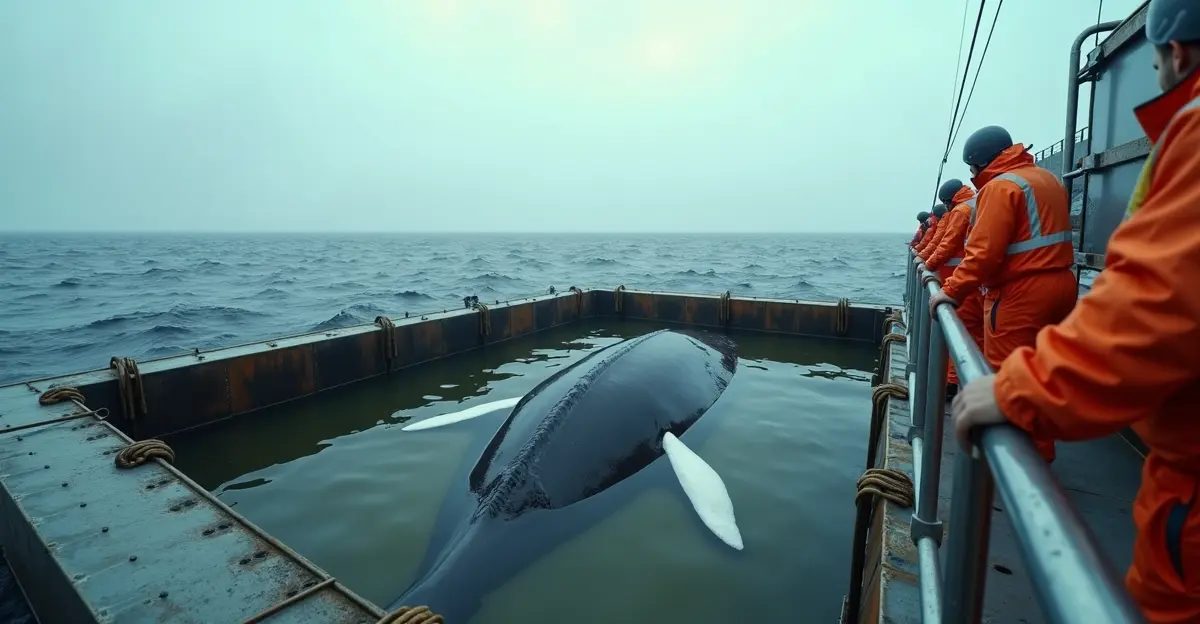
Scientists remain skeptical about the whale's survival due to its repeated strandings.
Crypto
The BRICS Unit, a gold-backed digital token, is operational for cross-border trade settlement.
The token aims to reduce dollar dependence and is governed by the Unit Foundation with an AI executive director.
 Share this article



