


 Deutsch
 English
 Español
 Français
 Nederlands
 Português


 Share
Share




Russian Superyacht Defies Blockade in High-Risk Passage
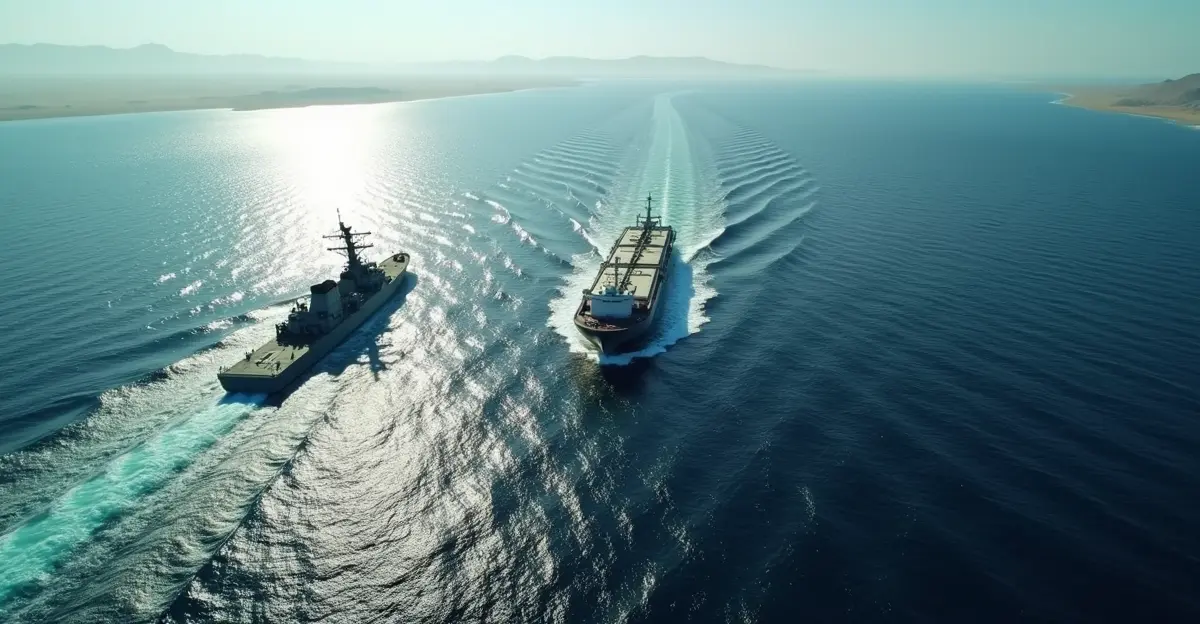
The Russian superyacht Nord, linked to sanctioned billionaire Alexey Mordashov, made a daring voyage through the Strait of Hormuz over the weekend, becoming one of the few private vessels to navigate the waterway since the onset of the 2026 Strait of Hormuz crisis. The 142-meter luxury vessel departed Dubai on Friday evening and arrived Sunday morning at the port of Al Mouj in Muscat, Oman, according to MarineTraffic data reported by the BBC. The passage is highly unusual, as the strait remains largely closed to non-commercial traffic due to a dual blockade involving both Iranian restrictions and a US naval blockade of Iranian ports.
The Nord, valued at an estimated $500 million and registered under the Russian flag, is owned by Alexey Mordashov, the chairman of Severstal and Russia's richest person with a net worth of approximately $37 billion according to Forbes. Mordashov has been under sweeping sanctions from the European Union, the United Kingdom, and the United States since Russia's 2022 invasion of Ukraine. Despite repeated Western calls for seizure, the superyacht has evaded capture by moving between friendly jurisdictions including the Maldives, Hong Kong, and various Gulf states.
Geopolitical Context: The Strait of Hormuz Crisis
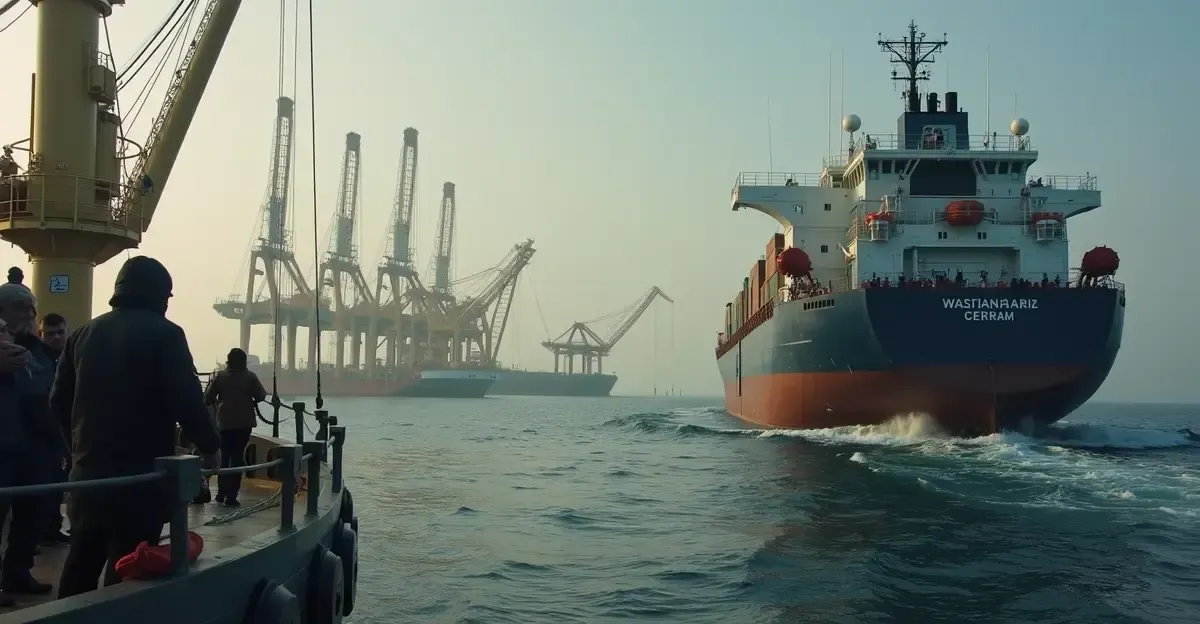
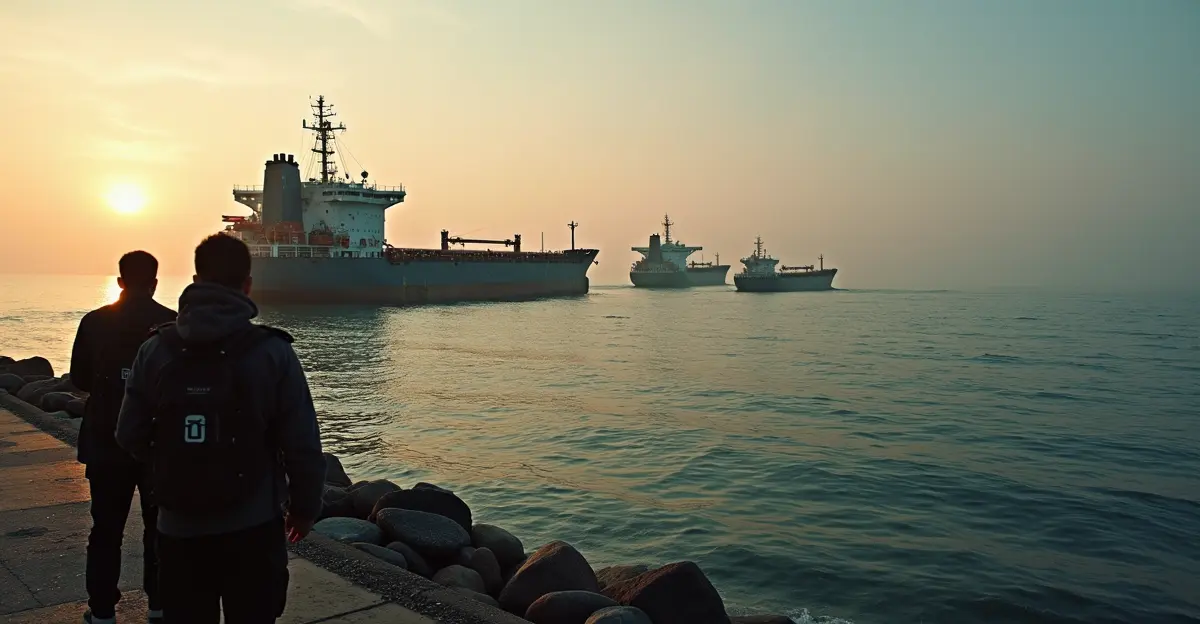
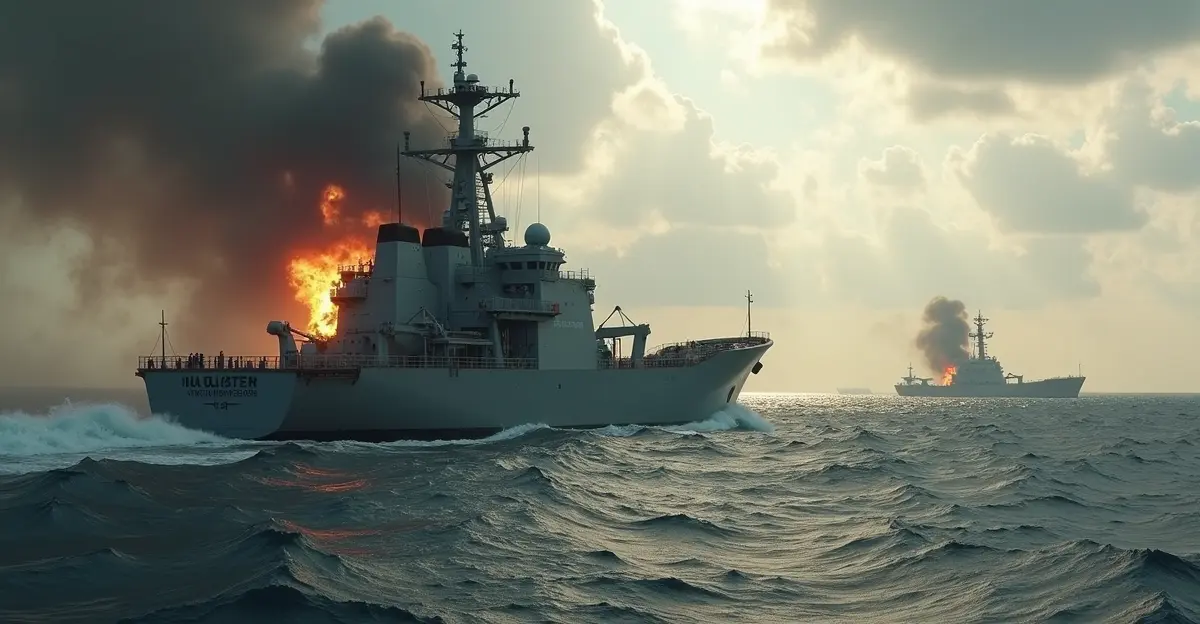
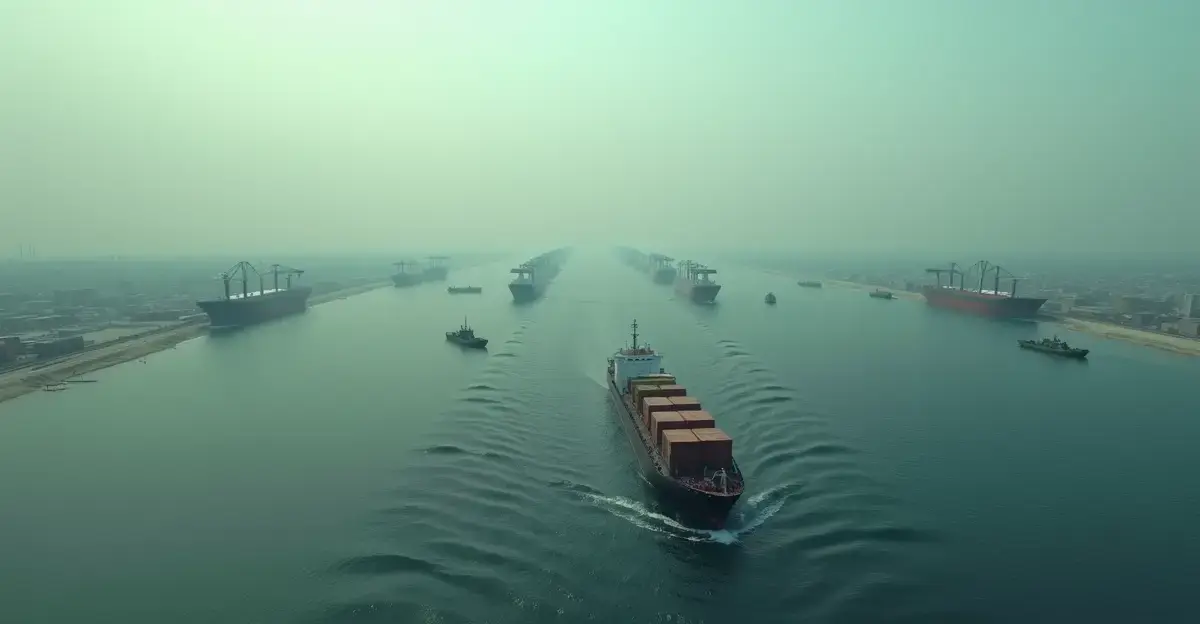
The Strait of Hormuz, a critical maritime chokepoint through which roughly 20% of global seaborne oil and 25% of LNG passes, has been effectively closed since late February 2026. The crisis began when the United States and Israel launched an air war against Iran, prompting Iran to retaliate by blocking the strait, boarding merchant vessels, and laying sea mines. The US Navy subsequently imposed a blockade on Iranian ports, creating what experts call a 'dual blockade.' The Strait of Hormuz crisis has sent oil prices soaring above $126 per barrel and stranded some 20,000 mariners and 2,000 ships in the Persian Gulf.
Iran's Islamic Revolutionary Guard Corps (IRGC) has warned all vessels against transiting the strait, though commercial shipping was briefly allowed during a short-lived ceasefire in mid-April. The Nord's passage coincided with high-level diplomatic talks between Tehran and Moscow. Iranian Foreign Minister Abbas Araghchi met with Russian President Vladimir Putin in St. Petersburg on Monday, where the two leaders emphasized their 'strategic relationship.' According to Russia's state news agency TASS, Putin praised Iran's steadfastness under international pressure.
The Nord: A Symbol of Sanctions Evasion
The Nord, built by German shipyard Lürssen and launched in 2020, is one of the world's largest superyachts at 142 meters. It features two helicopter pads, a swimming pool, cinema, spa, and a beach club. Since the imposition of sanctions, the yacht has employed a cat-and-mouse strategy to avoid seizure. In 2022, it famously sped to Vladivostok after turning off its transponders, burning $465,000 in fuel over a 6,701-nautical-mile journey. The yacht later visited the Seychelles, Indonesia, and Hong Kong before recently undergoing maintenance in Dubai.
While Mordashov is not officially registered as the owner, documents from 2022 show the vessel was held by a company owned by his wife. The oligarch has faced growing scrutiny over his Russian oligarch sanctions evasion tactics, including the use of shell companies and family members to shield assets. Western governments have struggled to enforce asset seizures in jurisdictions that maintain friendly relations with Russia.
Why the Passage Matters
The Nord's successful transit through the Strait of Hormuz underscores the limitations of Western sanctions in a multipolar world. It also highlights the deepening Russia-Iran axis, as both nations face coordinated Western pressure. The voyage sends a signal that Russian assets can still move freely through some of the world's most contested waters, provided they have the right political cover.
Maritime security analysts note that the Nord's journey was likely coordinated with Iranian and Omani authorities. Oman, which shares control of the strait's traffic separation scheme with Iran, has maintained diplomatic neutrality throughout the crisis. The yacht's arrival in Muscat, a port outside the immediate blockade zone, suggests that Oman's role in the Hormuz crisis remains one of cautious facilitation.
Impact and Implications
The passage of the Nord is more than a logistical feat; it is a political statement. As the US and Iran remain locked in a tense standoff, Russia's ability to move a high-value sanctioned asset through the strait demonstrates the limits of American naval power in the region. For the Biden administration (and potentially a second Trump administration depending on the 2028 election), the incident raises questions about the effectiveness of the blockade and the enforcement of international sanctions.
For global energy markets, the continued closure of the strait remains the primary concern. While the Nord's passage does not signal a reopening, it shows that exceptions can be made for politically connected vessels. The 2026 oil price shock has already triggered recession fears in Europe and Asia, and any further instability in the region could exacerbate supply shortages.
Frequently Asked Questions
Who owns the superyacht Nord?
The Nord is owned by Russian billionaire Alexey Mordashov, chairman of Severstal, though it is technically registered to a company linked to his wife to obscure ownership.
Why is the Strait of Hormuz blocked?
The strait has been largely closed since February 2026 following US-Israeli airstrikes on Iran. Iran retaliated by blocking the waterway, and the US subsequently imposed a naval blockade on Iranian ports, creating a dual blockade.
How did the Nord avoid seizure?
The yacht has moved between jurisdictions that do not enforce Western sanctions, such as the Maldives, Hong Kong, and Gulf states. It also turned off its transponders during previous voyages to evade detection.
What is the value of the Nord?
The Nord is estimated to be worth approximately $500 million, making it one of the most valuable superyachts in the world.
What does this mean for the Iran-Russia relationship?
The voyage coincided with high-level diplomatic talks between Iran and Russia, signaling a deepening strategic partnership between the two sanctioned nations.
Sources
This article is based on reporting from BNR Nieuwsradio, BBC News, MarineTraffic data, Forbes, and Wikipedia. Additional context on the Strait of Hormuz crisis and Alexey Mordashov was sourced from publicly available records and news archives.

Follow Discussion