


 Deutsch
 English
 Español
 Français
 Nederlands
 Português


 Share
Share




Strait of Hormuz Crisis: European Nations Reject Trump's NATO Mission Demand
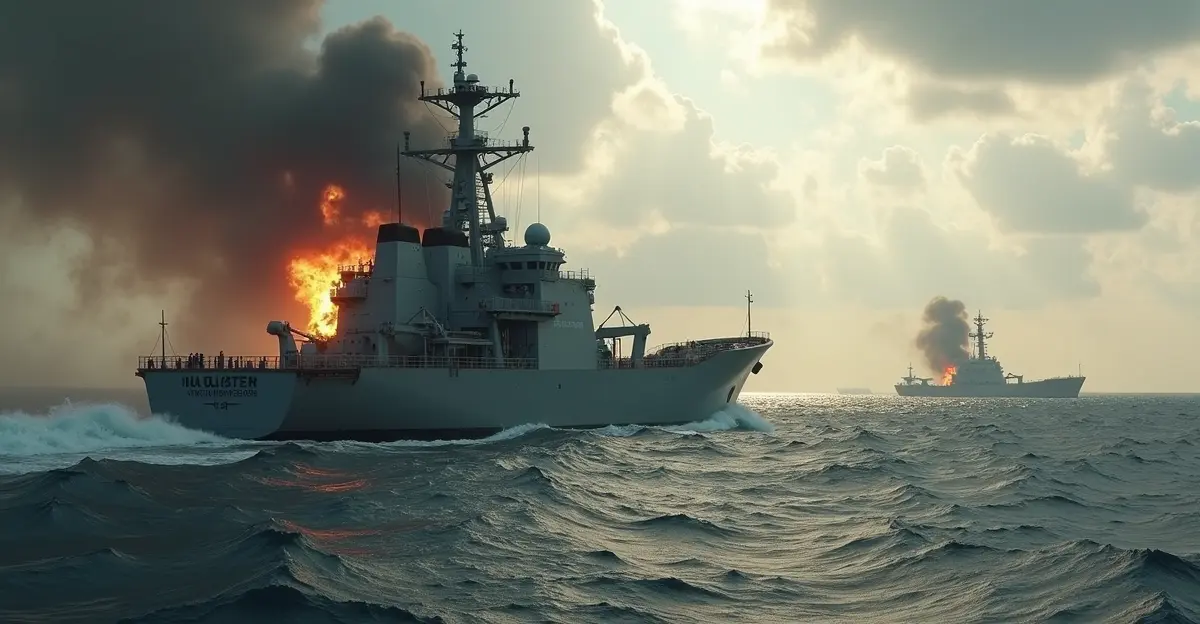
European countries have firmly rejected former U.S. President Donald Trump's demand for NATO military assistance to reopen the strategically vital Strait of Hormuz, with key allies declaring 'this is not our war' amid escalating tensions in the Middle East. The crisis began when Iran effectively blocked the critical oil shipping route following U.S. and Israeli attacks, causing global oil prices to surge above $100 per barrel and threatening energy security worldwide.
What is the Strait of Hormuz and Why is it So Important?
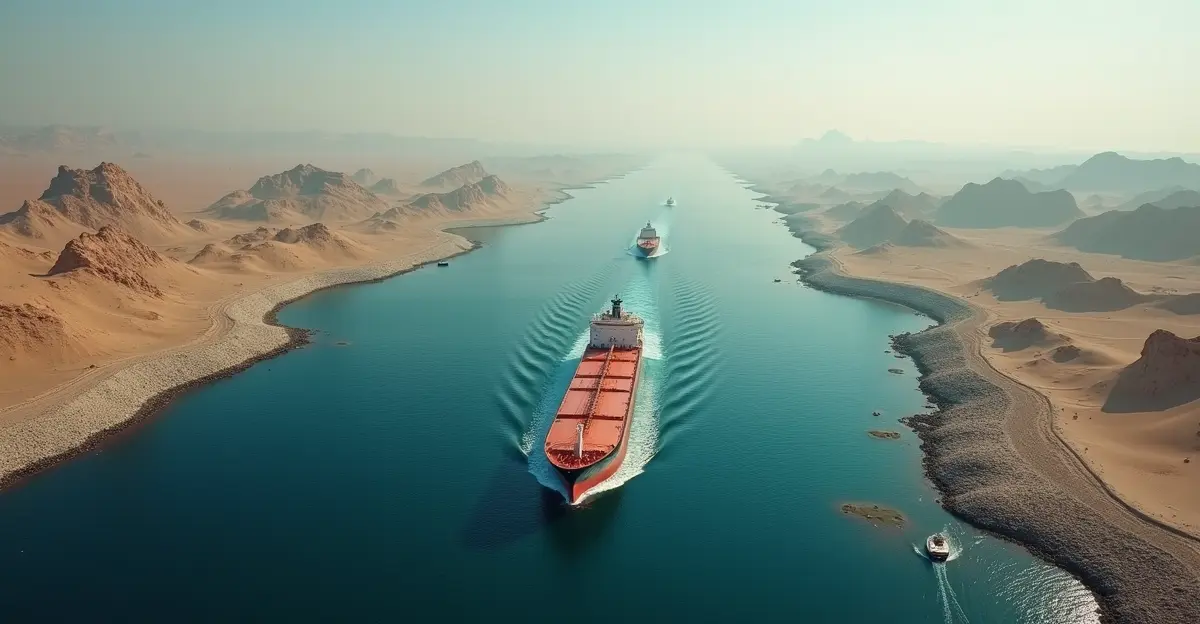
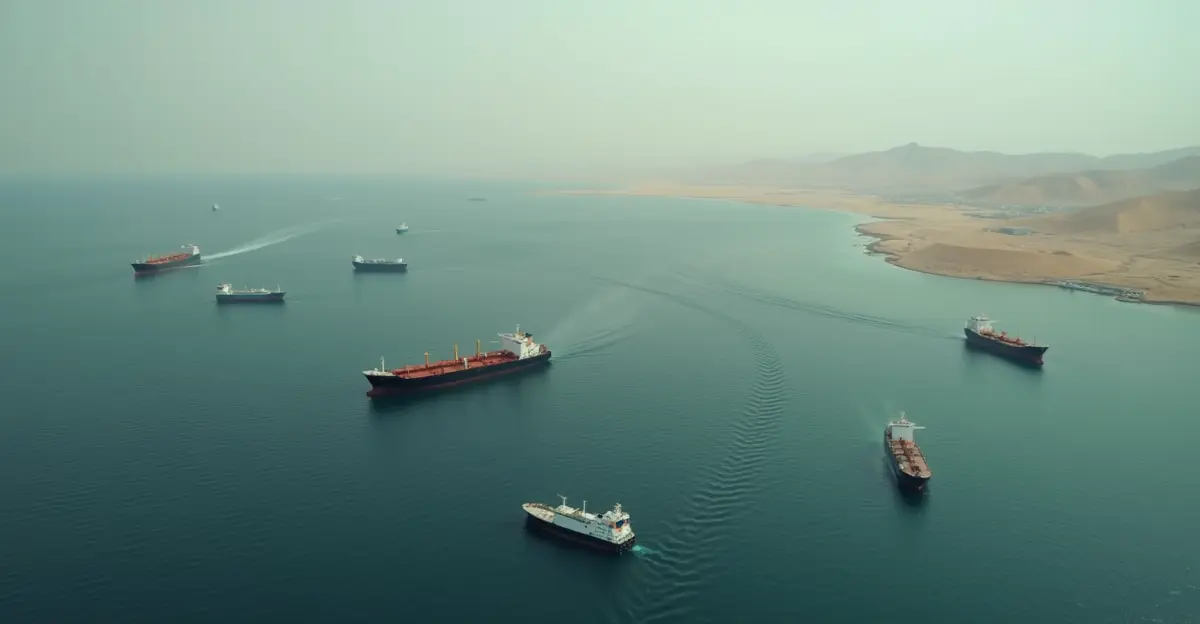
The Strait of Hormuz is the world's most critical energy chokepoint, a narrow 21-nautical-mile passage between Iran and Oman that handles approximately 20 million barrels of oil daily - representing 20% of global petroleum consumption and 25% of seaborne oil trade. This vital waterway serves as the sole exit from the Persian Gulf to open ocean, making it essential for Gulf oil exporters including Saudi Arabia, Iraq, Kuwait, UAE, Qatar, and Iran. The strait also carries 20% of global LNG trade and significant portions of global fertilizer and container cargo, making its closure potentially catastrophic for global supply chains.
European Resistance to Military Intervention
In a Financial Times interview, Trump warned that NATO faces 'a very bad future' if member states don't help secure the Strait of Hormuz, stating it's 'only logical that countries that benefit from the Strait help ensure nothing bad happens there.' However, European leaders have responded with unified resistance.
Germany's Firm Stance
German Defense Minister Boris Pistorius delivered the most direct rejection, asking: 'What does Trump expect from a handful of European warships? Can they do something that the powerful American navy cannot?' He added definitively: 'This is not our war, we did not start it.' German Chancellor Friedrich Merz echoed this position, stating Germany 'will not do so' regarding military deployment.
United Kingdom's Diplomatic Approach
British Prime Minister Keir Starmer announced the UK 'will not be drawn into the wider war' and emphasized that reopening the strategic waterway is not a NATO mission. Instead, Britain is focusing on diplomatic solutions while providing £53 million in support for vulnerable heating oil customers affected by rising prices.
Other European Positions
Italy has ruled out extending naval missions to the Strait of Hormuz, while Spain has clearly stated opposition to the war. Dutch Prime Minister Jetten acknowledged the difficulty of mounting a mission given current attack levels, stating: 'We must be honest, with the current number of attacks taking place there, it is very difficult to launch a mission there in the short term.'
The EU's Aspides Mission Dilemma
European Union foreign ministers met in Brussels to discuss expanding the EU's naval mission Aspides, originally established in 2024 to protect commercial vessels from Houthi attacks in the Red Sea. EU foreign policy chief Kaja Kallas noted the region formally falls outside NATO's area of operations, stating: 'There are no NATO countries in the Strait of Hormuz.'
However, expanding Aspides faces significant hurdles. The mission currently consists of three ships from France, Italy, and Greece operating in the Red Sea, Gulf of Aden, Arabian Sea, Gulf of Oman, and Persian Gulf with a strictly defensive mandate. Any expansion would require unanimous EU approval, which appears unlikely given current opposition from Germany, Italy, and other member states.
Global Economic Impact and Energy Security Concerns
The blockade has caused Brent crude prices to reach $126 per barrel, with tanker traffic through the strait dropping by 70%. The International Energy Agency responded by releasing a record 400 million barrels of oil from strategic reserves to stabilize prices. The crisis highlights the world's vulnerability to disruptions at this critical chokepoint, where alternative pipeline capacity covers only 17-27% of normal Hormuz flow.
Asian markets are particularly vulnerable, receiving 84% of Hormuz crude with China, India, Japan and South Korea as top destinations. The situation has drawn comparisons to previous Middle East energy crises that have historically triggered global recessions.
Diplomatic Alternatives and Future Outlook
European countries are exploring diplomatic alternatives to military intervention. Dutch Foreign Minister Berendsen suggested additional sanctions against Iran might be more effective than military deployment, stating: 'We have major interests in what happens in the Strait and in the region, but a decision to participate in a mission cannot be taken lightly.'
EU correspondent Kysia Hekster noted the complexity of the situation: 'Formally, the Strait of Hormuz is of course not a NATO area, but Trump doesn't care about such formalities. That makes it more difficult for the allies to respond.' She added that European countries possess valuable mine-clearing capabilities that the U.S. lacks, potentially strengthening Europe's negotiating position.
The crisis represents a significant test for transatlantic relations and European strategic autonomy, with nations balancing energy security concerns against reluctance to be drawn into conflicts not of their making. As the situation develops, European leaders appear committed to pursuing diplomatic solutions while protecting their economic interests through alternative means.
Frequently Asked Questions
Why is the Strait of Hormuz so important?
The Strait of Hormuz handles 20 million barrels of oil daily (20% of global consumption), 25% of seaborne oil trade, and 20% of global LNG trade, making it the world's most critical energy chokepoint.
What triggered the current crisis?
Iran effectively blocked the strait following U.S. and Israeli attacks 16 days ago, causing global oil prices to surge above $100 per barrel and threatening worldwide energy security.
Which European countries have rejected military involvement?
Germany, United Kingdom, Italy, Spain, Netherlands, and Ireland have all expressed reluctance or outright refusal to participate in military operations in the Strait of Hormuz.
What is Operation Aspides?
Operation Aspides is the EU's defensive naval mission established in 2024 to protect commercial vessels from Houthi attacks in the Red Sea, currently consisting of three ships from France, Italy, and Greece.
How has the blockade affected global oil prices?
Brent crude prices reached $126 per barrel, a 70% increase from pre-crisis levels, prompting the International Energy Agency to release 400 million barrels from strategic reserves.

Follow Discussion