


 Deutsch
 English
 Español
 Français
 Nederlands
 Português


 Share
Share




What is the Greenland Crisis and Why It Changed Everything?
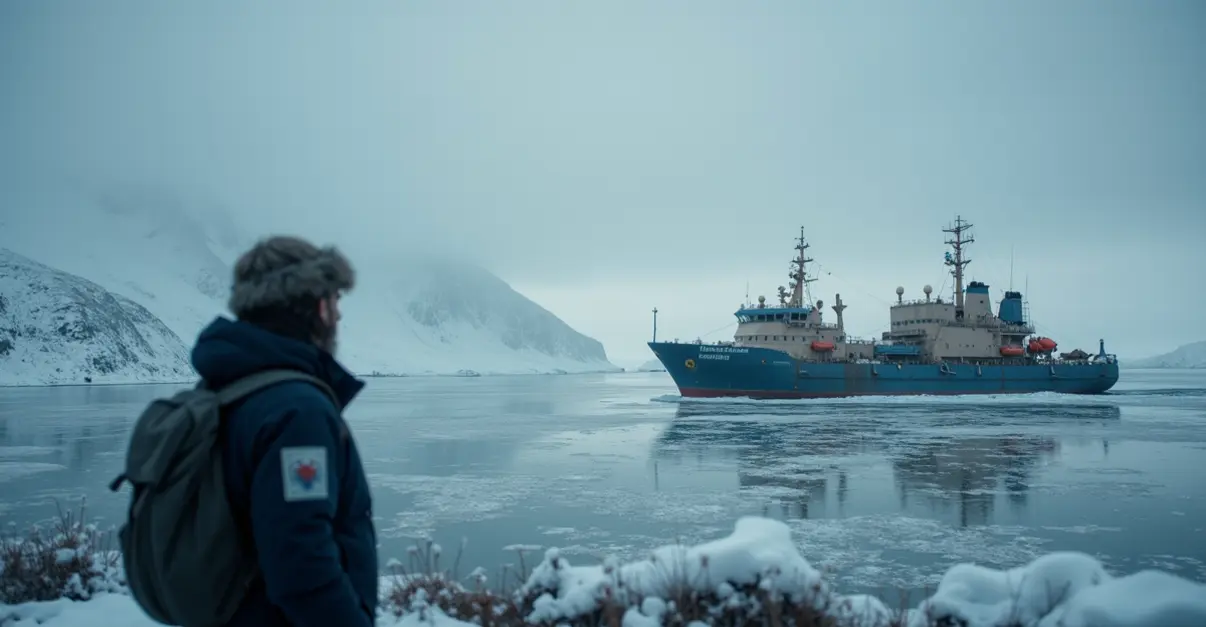
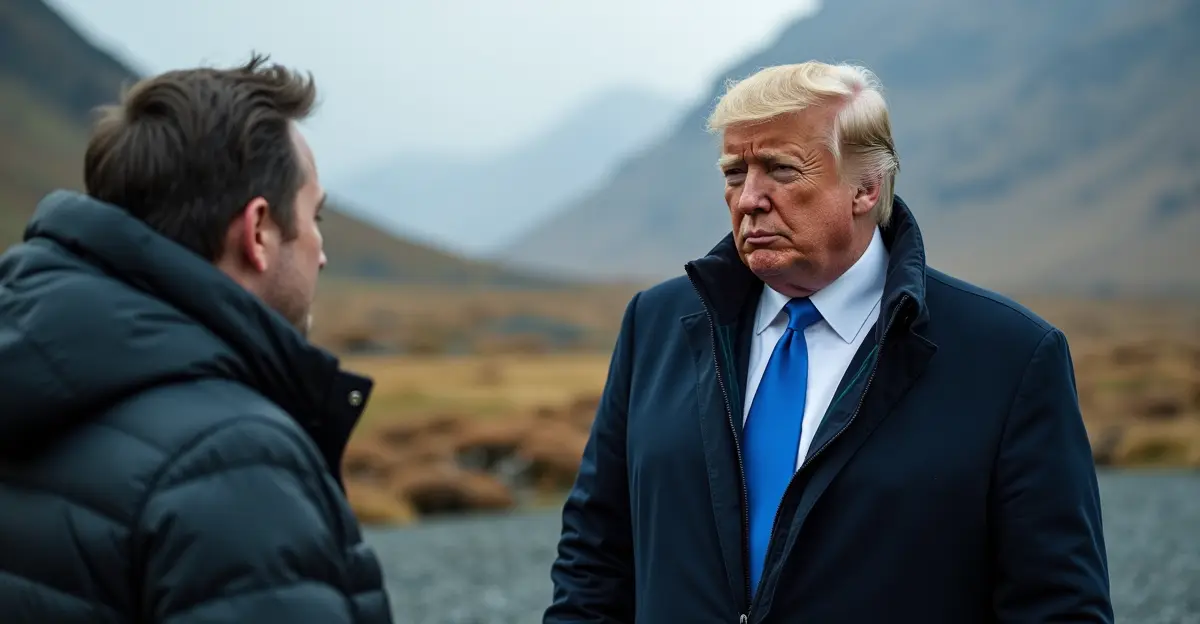
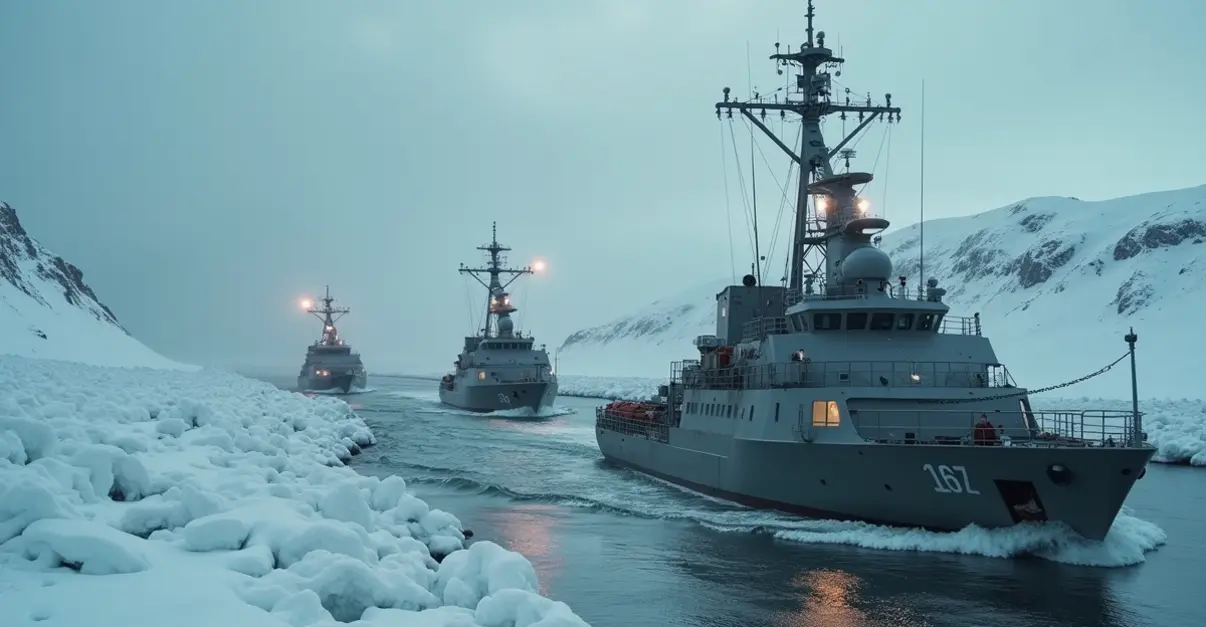
The transatlantic relationship between the United States and Europe has fundamentally shifted in 2026 following the Greenland annexation crisis, with Estonian Prime Minister Evika Siliņa declaring there can be no 'business as usual' between the two traditional allies. The crisis began in January 2025 when the second Trump administration sought to annex Greenland, an autonomous territory of Denmark, escalating in early 2026 when President Trump refused to rule out military force and threatened a 25% import tax on EU goods unless Denmark ceded the territory. This unprecedented confrontation has reshaped transatlantic security architecture and forced European leaders to reconsider their strategic autonomy.
The Munich Security Conference: A Watershed Moment
Speaking at the 62nd Munich Security Conference in February 2026, Prime Minister Siliņa delivered a stark assessment of the new geopolitical reality. 'When we showed our unity in our support for Greenland and Denmark, I think [the relationship] has changed a bit,' she told Politico. 'We must be taken seriously as collective European countries.' The conference, which attracted over 1,000 representatives from 115+ countries including approximately 60 heads of state, became the stage for a dramatic re-evaluation of US-Europe relations.
Secretary Rubio's Conciliatory Tone vs. European Skepticism
American Secretary of State Marco Rubio attempted to strike a conciliatory note at the conference, stating that while America is prepared to act alone if necessary, it prefers to work together with Europe, declaring 'we belong together.' However, European leaders responded cautiously to Rubio's remarks, noting that the ideological foundations of the Trump administration have not changed. 'We will continue to dance this tango, but maybe some new steps will be added,' Siliņa remarked, capturing the complex new dynamic.
Europe's Response: Strategic Autonomy and Defense Reform
The Greenland crisis has accelerated European discussions about strategic autonomy that were already underway. Three key developments are emerging:
1. European Security Council Proposal
EU Defense Commissioner Andrius Kubilius has proposed creating a European Security Council modeled after the UN Security Council, allowing for rapid decision-making in times of crisis. This would address the current EU decision-making process based on unanimity of 27 member states, which can be frustrated by a single dissenting voice. Siliņa called the proposal a 'very reasonable idea,' asking 'Why shouldn't we establish a Security Council?'
2. European Nuclear Deterrent Discussions
Perhaps most significantly, Siliņa expressed openness to participating in initial discussions about a European nuclear deterrent – an idea gaining popularity in many EU capitals amid uncertainty about the US commitment to protect the continent with nuclear weapons. 'If we take into account our previous commitments, why not?' she said, marking a potential seismic shift in European defense policy.
3. Rapid Reaction Force Development
Kubilius has also proposed creating a European 'rapid reaction force' of 80,000-100,000 troops, carefully avoiding the term 'European army' due to historical and political sensitivities. This force would represent a significant step toward European military independence while maintaining NATO cooperation.
Impact on Transatlantic Relations: A New Era
The Greenland crisis has exposed fundamental tensions in the transatlantic alliance that will have lasting implications:
- Economic Consequences: The threatened 25% import tax on EU goods, while not implemented, revealed the vulnerability of European economies to American pressure.
- Security Realignment: European nations are now seriously considering defense capabilities independent of US guarantees, particularly regarding nuclear deterrence.
- Diplomatic Independence: The crisis has accelerated European efforts to speak with a unified voice on the global stage, moving beyond the traditional US-led framework.
- NATO Evolution: While NATO remains intact, the Greenland episode has forced a re-examination of alliance dynamics and European contributions to collective security.
The crisis has particularly affected Baltic security concerns, with nations like Estonia feeling the need for stronger European defense capabilities. As Siliņa noted, 'Europe itself is changing and our decision-making will probably also change.' This sentiment reflects a broader European realization that the era of unquestioned American leadership has ended.
FAQ: Understanding the Greenland Crisis and Its Aftermath
What started the Greenland crisis?
The crisis began in January 2025 when the second Trump administration sought to annex Greenland, escalating in early 2026 with threats of military force and economic sanctions against Denmark and the EU.
How has Europe responded to the crisis?
European leaders have united in support of Denmark and Greenland, accelerated discussions about strategic autonomy, and proposed defense reforms including a European Security Council and potential nuclear deterrent.
What does 'no business as usual' mean for US-Europe relations?
It signifies a fundamental shift where Europe will engage with the US more assertively, demand clearer rules of engagement, and develop independent defense capabilities rather than relying solely on American protection.
Is NATO at risk because of this crisis?
While NATO remains operational, the alliance faces new challenges as European members reconsider their defense dependencies and the US pursues a more transactional foreign policy approach.
What are the long-term implications for European defense?
Europe is likely to develop more integrated defense capabilities, potentially including a rapid reaction force and discussions about nuclear deterrence, while maintaining cooperation with NATO.

Follow Discussion