


 Deutsch
 English
 Español
 Français
 Nederlands
 Português


 Share
Share




EU Treaty Could Force Member States to Aid Denmark in Greenland Crisis
European Union member states, including Germany, could be legally obligated to provide military assistance to Denmark if tensions over Greenland escalate into armed conflict, according to statements from EU foreign policy chief Kaja Kallas' office. The potential crisis stems from former US President Donald Trump's renewed ambitions to acquire the resource-rich Arctic island, which has triggered unprecedented diplomatic tensions within NATO.
The Legal Framework: Article 42(7)
At the heart of the EU's potential involvement lies Article 42(7) of the Treaty on European Union, the bloc's mutual defense clause. This provision, inserted in the 2009 Lisbon Treaty, requires all EU members to provide "all aid and assistance by all the means in their power" if a fellow member state becomes "the victim of armed aggression on its territory."
An EU spokeswoman confirmed to dpa that Greenland, as part of the Kingdom of Denmark, would in principle fall under this protection. 'The question of applying it is not now on the table since a military confrontation with the United States is considered very unlikely,' she emphasized, while acknowledging the legal framework exists.
Geopolitical Stakes in the Arctic
Greenland, the world's largest island, has become a focal point of international competition due to its strategic location and vast mineral resources. The autonomous Danish territory contains rare earth elements, uranium, and other critical minerals essential for modern technology and green energy transitions.
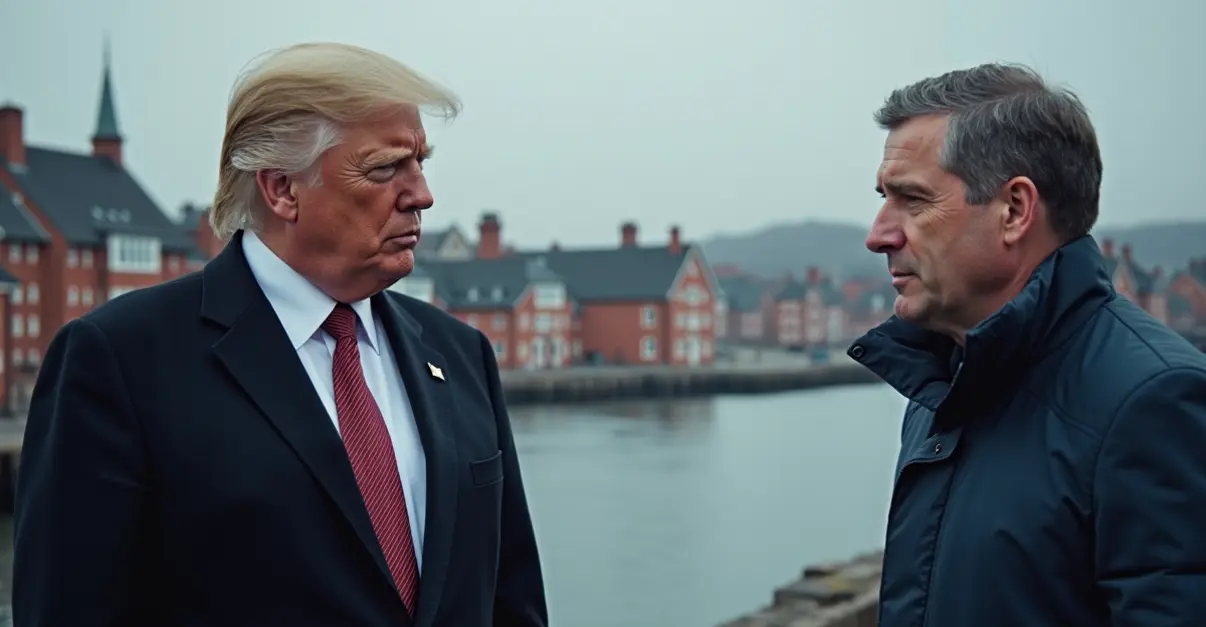
Trump's renewed push for Greenland acquisition follows his 2019 attempt to purchase the island, which Danish Prime Minister Mette Frederiksen called "absurd." Now, according to reports, Trump has threatened to invade or annex Greenland, citing security concerns about Chinese and Russian activities in the Arctic.
European Military Response Already Underway
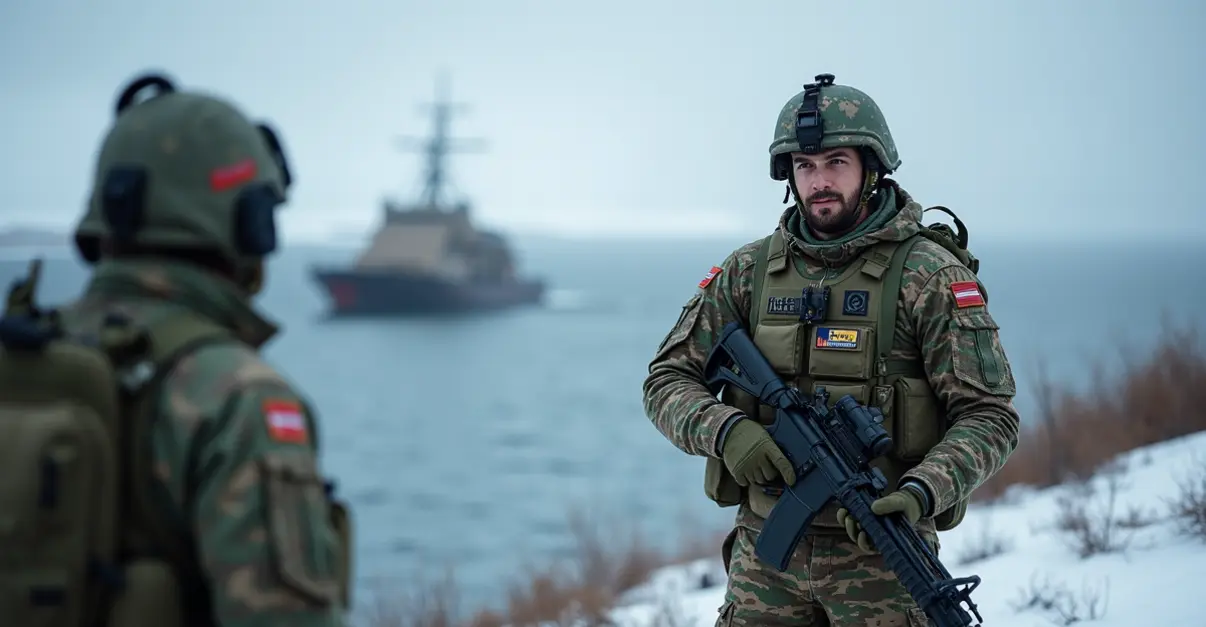
Even before any formal invocation of Article 42(7), European nations have begun military deployments to Greenland. Troops from Germany, France, Norway, Sweden, and other EU nations have arrived for joint exercises with Danish forces, planting EU flags in a symbolic recognition-of-territory exercise.
'We cannot change the US position, but we can demonstrate our commitment to Greenland's territorial integrity,' a European defense official told reporters on condition of anonymity.
NATO's Existential Crisis
The Greenland dispute has created an unprecedented situation for NATO, where the world's most powerful military alliance faces potential conflict between two of its founding members. Denmark has warned that a US attack on Greenland would effectively end NATO, while Russia's ambassador to Denmark, Vladimir Barbin, has accused the alliance of seeking to militarize the Arctic.
'Copenhagen was pursuing a confrontational approach by involving NATO, driving a rise in military tensions in the Arctic,' Barbin stated, highlighting the complex geopolitical dynamics at play.
Legal Ambiguities and Diplomatic Challenges
Legal experts note complexities in applying Article 42(7) to Greenland. While the island is part of the Kingdom of Denmark, it withdrew from the European Community (predecessor to the EU) in 1985. Some analysts argue this creates ambiguity about whether EU defense commitments extend to Greenland, though most agree the clause would likely apply given Denmark's sovereignty over the territory.
The crisis follows inconclusive talks between US and Danish officials in Washington last week. European leaders hope to convince Trump that Greenland can be best protected within the existing NATO framework, avoiding a rupture in transatlantic relations.
As European troops continue arriving in Greenland, the situation represents both a test of EU solidarity and a potential turning point in Arctic geopolitics, with implications for international law, alliance structures, and global resource competition.


Follow Discussion