


 Deutsch
 English
 Español
 Français
 Nederlands
 Português


 Share
Share




UAE Shocks Global Oil Markets With Sudden OPEC Exit
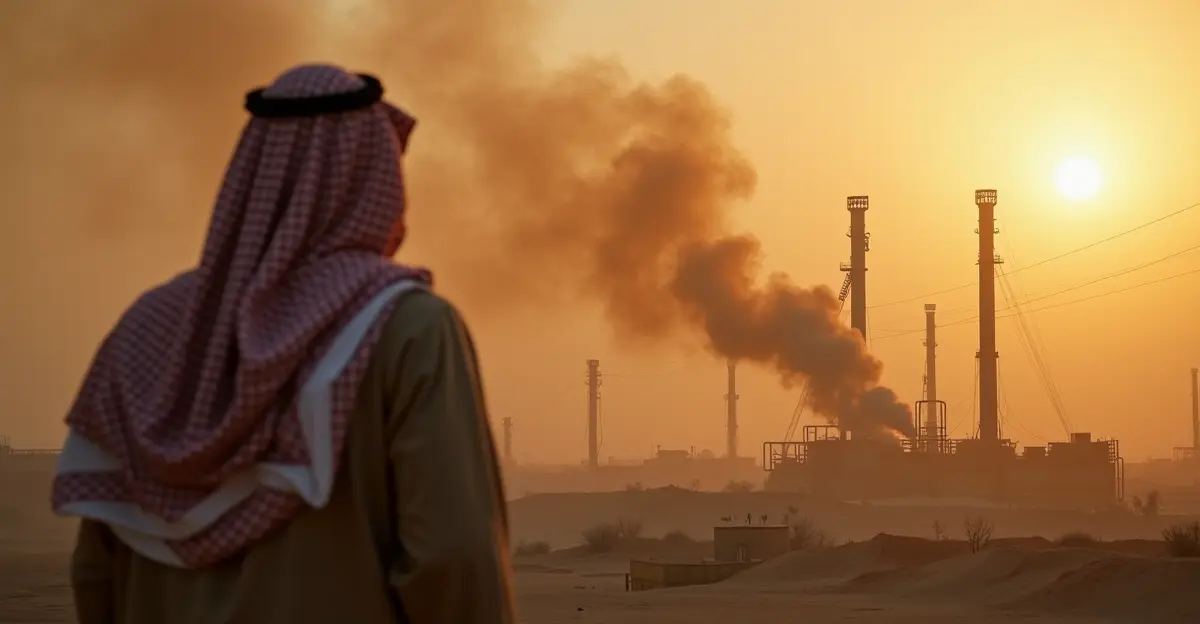
The United Arab Emirates announced on Tuesday, April 28, 2026, that it is withdrawing from the Organization of the Petroleum Exporting Countries (OPEC) and its broader OPEC+ alliance, delivering a severe blow to the oil-producing cartel and its de facto leader, Saudi Arabia. The UAE OPEC exit comes at a time of extreme volatility in global energy markets, as ongoing conflict with Iran has triggered a historic energy shock and sent the world economy into turmoil, according to Reuters.
The surprise departure of the UAE, a long-standing OPEC member since 1967, threatens to destabilize the group and weaken its ability to present a unified front on production quotas. The move also represents a significant political victory for former U.S. President Donald Trump, who has repeatedly accused OPEC of 'ripping off the rest of the world' by driving up oil prices. Trump has also linked U.S. military support for the Gulf region to oil prices, stating that while the U.S. defends OPEC members, they 'take advantage of this by imposing high oil prices.'
Why the UAE Left OPEC: Geopolitical Tensions and Strategic Shift
Criticism of Gulf Allies Over Iran Attacks
The decision follows sharp criticism from the UAE directed at other Arab states for failing to adequately protect the Emirates against numerous Iranian attacks during the ongoing war. Anwar Gargash, the diplomatic advisor to the UAE president, publicly criticized the response of Arab and Gulf states during a session at the Gulf Influencers Forum on Monday. 'The countries of the Gulf Cooperation Council have supported each other logistically, but politically and militarily, their position has historically been the weakest,' Gargash said. 'I expect this weak stance from the Arab League and it does not surprise me, but I did not expect this from the Gulf Cooperation Council and it does surprise me.'
The UAE's frustration with its allies' lack of military support against Iranian threats, combined with the difficulty of shipping exports through the Strait of Hormuz—a narrow passage between Iran and Oman through which about a fifth of the world's crude oil and liquefied natural gas normally passes—has pushed Abu Dhabi to seek greater independence. The UAE energy strategy shift reflects a desire to control its own production and export routes without being bound by OPEC quotas.
Seeking Flexibility and New Export Routes
The UAE's Energy Minister stated that leaving OPEC gives the Emirates more flexibility. Abu Dhabi National Oil Co. (ADNOC) has informed some regular customers that cargoes are available for loading at Fujairah, located outside the Persian Gulf, as producers explore alternative routes to bring oil to market. Traders, speaking on condition of anonymity because the negotiations are confidential, said that ADNOC has told buyers they can pick up cargoes, including from the Upper Zakum field, via ship-to-ship transfers at Fujairah. The cargoes are primarily available for loading in May.
What the UAE's OPEC Exit Means for Global Oil Markets
Weakening the Cartel's Cohesion
The UAE is one of OPEC's largest producers, with capacity exceeding 4 million barrels per day. Its departure removes a key moderate voice within the cartel that often pushed for higher production quotas. The loss of the UAE could embolden other members to also renegotiate terms or exit, further fracturing the group. OPEC+ production cuts impact have been a major factor in oil prices, and the UAE's exit could lead to increased output, potentially lowering prices.
A Victory for Trump's Energy Policy
For Donald Trump, the UAE's withdrawal is a vindication of his long-standing criticism of OPEC. Trump has consistently argued that OPEC manipulates oil prices to the detriment of the U.S. and other consuming nations. By linking U.S. military protection of Gulf states to their oil pricing policies, Trump pressured the region to change course. The Trump energy policy impact on oil prices has been a recurring theme in global economics, and this development aligns with his narrative of breaking the cartel's power.
Impact on the Strait of Hormuz and Global Supply Chains
OPEC Gulf producers have been struggling to ship exports through the Strait of Hormuz due to Iranian threats and attacks on vessels. The UAE's ability to load oil at Fujairah, on the Gulf of Oman side of the peninsula, bypasses the Strait entirely. This strategic advantage gives the UAE a significant logistical edge over Saudi Arabia, Iraq, and Kuwait, which remain dependent on the waterway. The move could reshape regional oil flows and reduce the UAE's vulnerability to Iranian disruptions.
FAQ: UAE Leaving OPEC
Why did the UAE leave OPEC?
The UAE left OPEC due to frustration with the lack of military support from Gulf allies against Iranian attacks, as well as a desire for more flexibility in setting its own oil production levels and export routes.
When did the UAE leave OPEC?
The UAE announced its intention to leave on April 28, 2026, with the withdrawal effective from May 1, 2026.
How does the UAE's exit affect oil prices?
The exit could lead to increased oil supply from the UAE, potentially putting downward pressure on prices. However, the broader geopolitical context of the Iran conflict and supply chain disruptions through the Strait of Hormuz may offset this effect.
Which countries are still in OPEC?
As of 2026, OPEC members include Algeria, Equatorial Guinea, Gabon, Iran, Iraq, Kuwait, Libya, Nigeria, the Republic of the Congo, Saudi Arabia, and Venezuela. The UAE's departure reduces the group to 11 members.
Could other countries follow the UAE out of OPEC?
Yes. The UAE's exit may encourage other members, particularly those with growing production capacity or geopolitical grievances, to reconsider their membership. Analysts suggest that future of OPEC in 2026 is now uncertain.
Sources
This article is based on reporting by Reuters and BNR Nieuwsradio, and historical data from Wikipedia.



Follow Discussion