


 Deutsch
 English
 Español
 Français
 Nederlands
 Português


 Share
Share




Trump Oil Price Credibility Crisis: Markets No Longer Believe President's Words
Financial markets have reached a critical turning point in their relationship with President Donald Trump, with traders and analysts concluding that the president's words no longer carry weight in influencing oil prices. Where Trump previously could temporarily calm energy markets with optimistic statements about Middle East peace prospects, his recent claims about imminent ceasefires in the Iran conflict have been met with market skepticism and even counterproductive reactions. This represents a significant erosion of presidential credibility that could have profound implications for both the global economy and American politics heading into the 2026 election season.
What is the Trump Oil Price Credibility Crisis?
The Trump oil price credibility crisis refers to the growing disconnect between presidential rhetoric and market reality in energy trading. Historically, U.S. presidents have wielded significant influence over oil markets through both policy actions and public statements. However, analysts now report that Trump's repeated claims about the Iran war ending soon have lost their effectiveness, with markets instead responding to actual military developments and supply disruptions. This phenomenon mirrors historical patterns where presidential credibility in economic matters becomes a critical factor in market stability.
The Market's Growing Skepticism
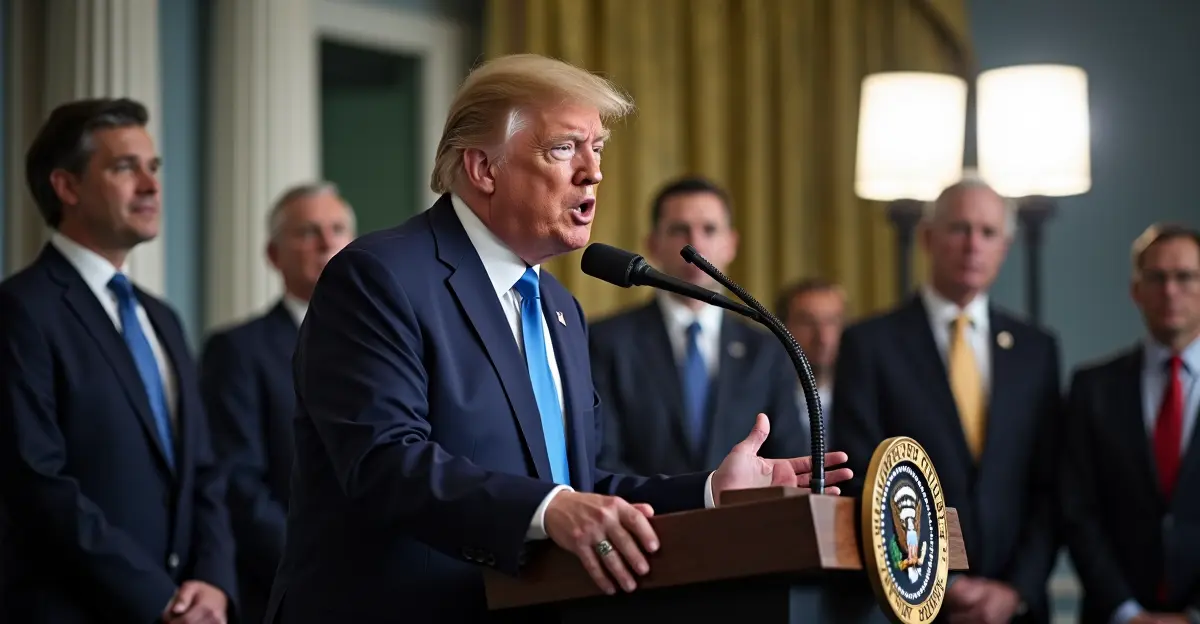
According to CNN's analysis of recent market behavior, Trump's Wednesday night speech claiming the 'war was almost over' actually triggered an 11% surge in oil prices rather than the calming effect he intended. 'He says now the same thing for two weeks,' noted Gregory Brew, senior analyst at Eurasia Group. 'But what he says doesn't matter. Because he keeps going with the war.' This represents a complete reversal from earlier in the conflict when Trump's optimistic statements could temporarily reduce market volatility.
Key Market Reactions to Trump's Statements
- April 2, 2026: Trump's ceasefire claims trigger 11% oil price surge
- March 2026: Repeated optimistic statements show diminishing returns
- Early Conflict Period: Presidential rhetoric had measurable calming effects
- Current Situation: Markets now ignore presidential pronouncements entirely
The Economic Impact on American Consumers
The credibility crisis comes at a particularly challenging time for American consumers, with gasoline prices breaking through the psychological barrier of $4 per gallon. While still relatively low compared to European prices, this represents a significant burden for American households, particularly those in Trump's MAGA base who are feeling the pinch at the pump. The situation has created a political dilemma for the administration, as advisors reportedly fear electoral consequences in the upcoming November elections.
Rory Johnston, a specialized researcher, offered a sobering assessment: 'In no scenario do we come out of this war healthier than when we started it.' This sentiment reflects broader expert consensus that even if hostilities ceased immediately, the global energy market would remain disrupted for years to come.
Long-Term Energy Market Implications
Experts interviewed by CNN uniformly predict that pre-war oil prices will not return anytime soon. Mark Zandi, chief economist at Moody's, expects elevated prices to persist 'this year and possibly not even in the coming years.' The structural damage to global energy infrastructure and supply chains has created what analysts describe as an irreversible shift in market fundamentals.
Projected Oil Price Scenarios
| Scenario | Oil Price Impact | Timeframe |
|---|---|---|
| Immediate Ceasefire | Prices remain above $90/barrel | 12-24 months |
| Continued Conflict | Prices surge to $120+ | Indefinite |
| Iran Gains Control | Prices stabilize at $100+ | Long-term new normal |
Political Consequences and Election Implications
The erosion of Trump's market credibility creates significant political risks as the 2026 elections approach. With millions of Americans paying record prices at gas stations, the administration faces mounting pressure to deliver tangible results rather than rhetorical reassurances. The situation has reportedly prompted Trump's closest advisors to urge a swift end to the conflict, recognizing that presidential influence on energy markets has effectively evaporated.
This development represents more than just a market phenomenon—it signals a broader erosion of trust in presidential economic leadership that could have lasting consequences for American governance. As markets increasingly discount presidential statements, the traditional tools of economic management become less effective, potentially requiring new approaches to global energy diplomacy and market stabilization.
Frequently Asked Questions
Why don't markets believe Trump about oil prices anymore?
Markets have grown skeptical because Trump's repeated claims about imminent peace in the Iran conflict have not materialized, while military actions have continued and even intensified. This pattern has eroded his credibility with traders who now prioritize actual developments over presidential rhetoric.
How high could oil prices go if the Iran conflict continues?
Analysts predict oil prices could surge to $120 per barrel or higher if the conflict continues, with some experts warning that prices above $90 could become the 'new normal' for an extended period regardless of when hostilities end.
What impact does this have on American consumers?
American consumers face gasoline prices exceeding $4 per gallon, creating significant financial pressure particularly for lower-income households. This acts as a regressive tax that disproportionately affects those who can least afford it.
Could this affect the 2026 elections?
Yes, political advisors reportedly fear electoral consequences as rising energy costs hit Trump's core supporters. The administration faces pressure to deliver actual price relief rather than rhetorical reassurances.
How long will oil prices remain elevated?
Most experts predict elevated prices will persist for years, with some suggesting the pre-war price environment may not return for the foreseeable future due to structural damage to global energy markets.


Follow Discussion