


 Deutsch
 English
 Español
 Français
 Nederlands
 Português


 Share
Share




What is Trump's Oil Sanctions Suspension?
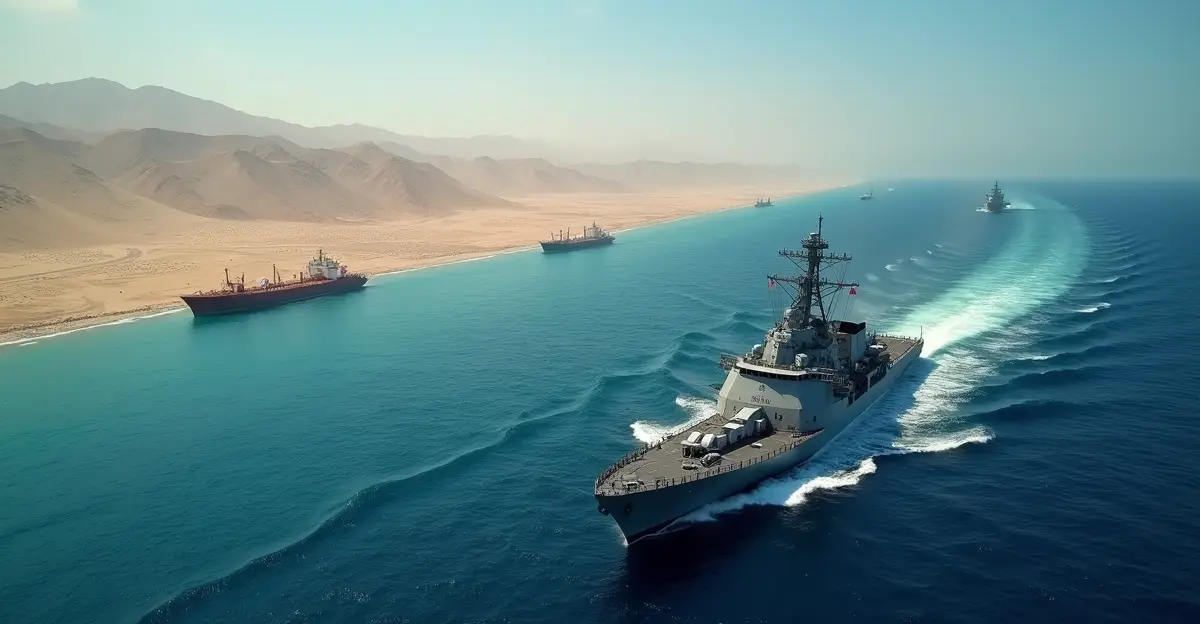
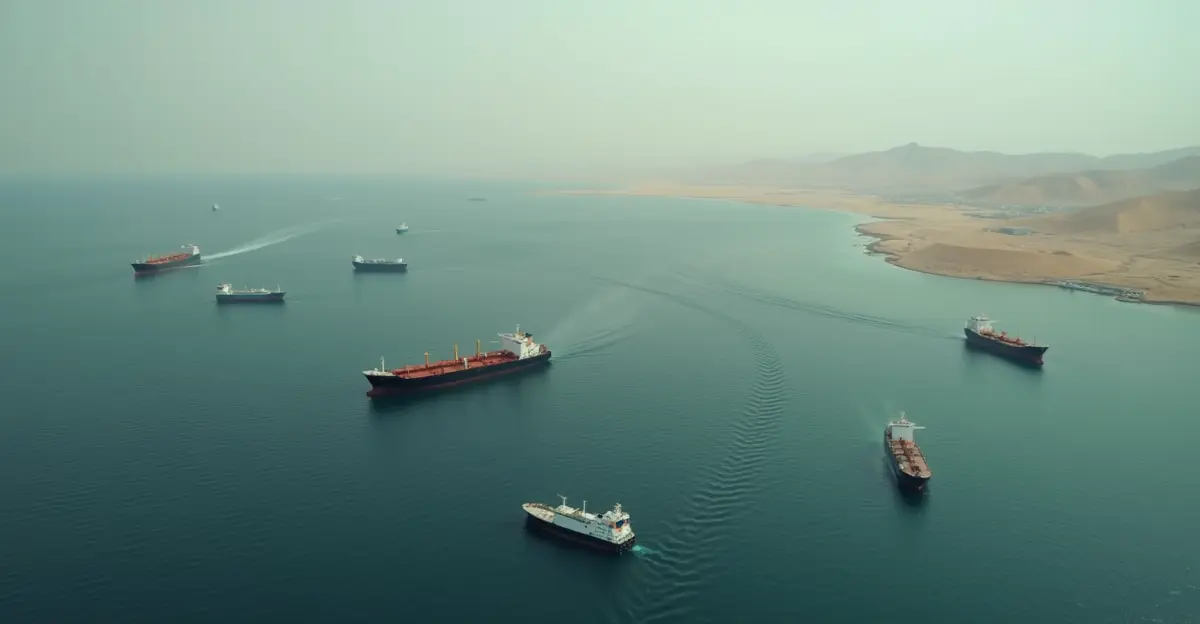
President Donald Trump has announced the temporary suspension of certain oil-related sanctions to secure global crude supply and stabilize energy markets amid escalating Middle East tensions. This strategic move, revealed during a press conference at his Doral golf club in Florida on March 10, 2026, comes as the Strait of Hormuz faces effective closure following military conflict with Iran. The 2026 Strait of Hormuz crisis has disrupted approximately 20% of global seaborne oil trade, prompting the Trump administration to implement emergency measures to prevent price spikes and ensure adequate supply.
Why Are Oil Sanctions Being Suspended Now?
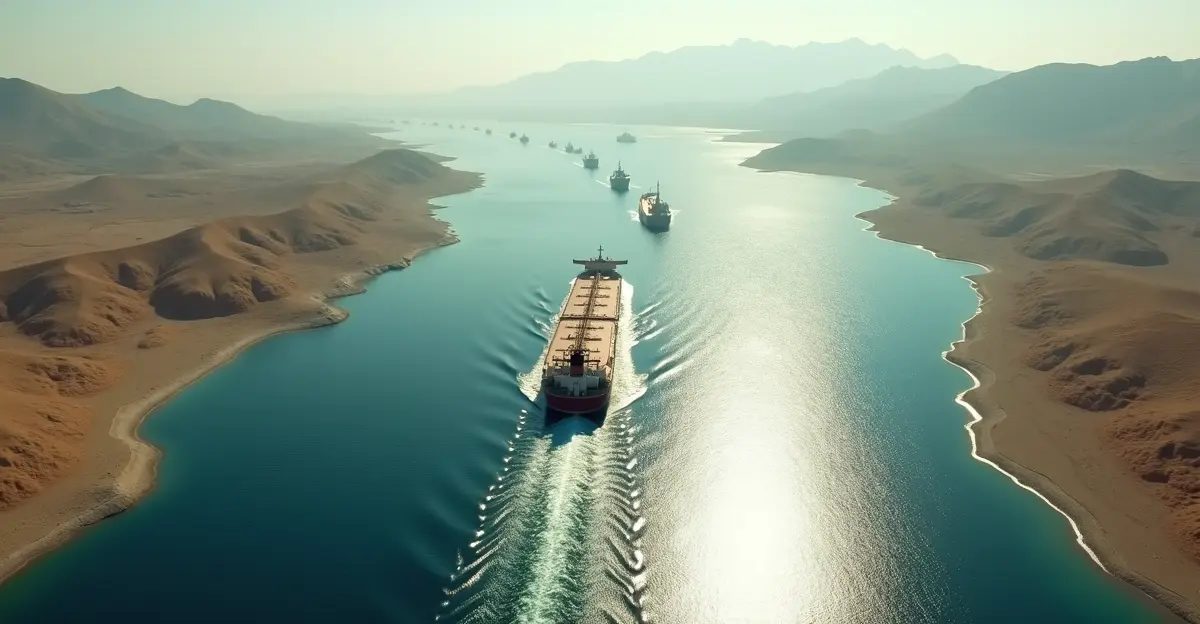
The immediate catalyst for Trump's decision is the dramatic reduction in tanker traffic through the Strait of Hormuz, a critical maritime choke point that normally handles about 20 million barrels of oil daily. Following joint U.S.-Israeli strikes on Iran under Operation Epic Fury on February 28, 2026, Iran's Islamic Revolutionary Guard Corps has effectively halted commercial shipping through the strategic waterway. 'We have sanctions against some countries. We're going to lift those sanctions until the Strait is open again,' Trump stated, directly linking the policy shift to the current geopolitical crisis.
Key Components of the Suspension
The sanctions suspension includes multiple strategic elements designed to address both immediate and longer-term energy security concerns:
- Temporary waivers on oil-related sanctions against unspecified countries
- Accelerated Venezuelan oil shipments to U.S. Gulf Coast refineries
- Potential easing of restrictions on Russian oil exports
- Federal insurance and naval escorts for commercial tankers
Venezuelan Oil: The Immediate Supply Solution
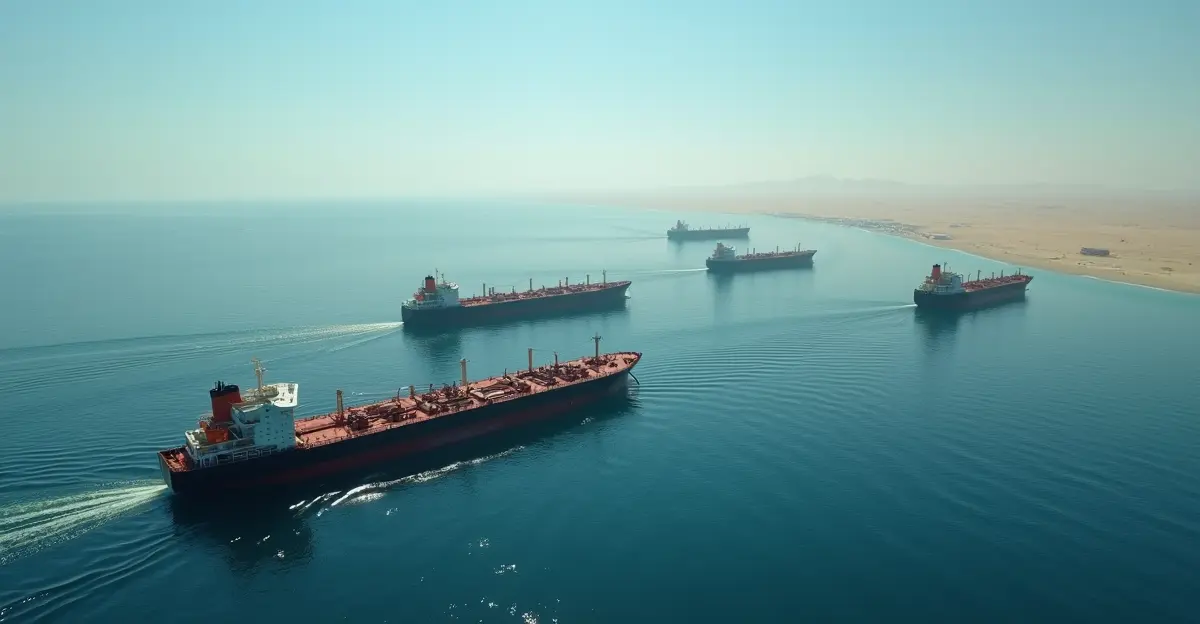
Trump revealed that 100 million barrels of Venezuelan oil have already arrived at Houston-area refineries, with another 100 million barrels en route. This represents a significant acceleration of the administration's earlier policy shift regarding Venezuelan crude. The Venezuela oil sanctions relief began in January 2026 following the capture of Nicolás Maduro, but the current Middle East crisis has prompted even more aggressive utilization of this supply source.
Venezuelan heavy crude is particularly valuable to specialized Gulf Coast refineries in Texas and Louisiana, which were specifically designed to process this dense, high-sulfur oil grade. The strategic redirection of oil previously destined for Chinese markets represents a major shift in Western Hemisphere energy security dynamics.
Market Impact and Price Stabilization Efforts
Immediate Price Effects
Following Trump's announcement, oil prices dropped over 6% on March 10, 2026, with Brent crude falling to $92.45 per barrel and WTI crude dropping to $88.65. This represents a significant reversal from earlier spikes above $100 per barrel when the Strait of Hormuz closure first threatened global supply chains. The administration's multi-pronged approach appears designed to address both physical supply constraints and market psychology.
Longer-Term Market Considerations
Energy analysts note that while the sanctions suspension provides immediate relief, longer-term market stability depends on several factors:
| Factor | Impact | Timeline |
|---|---|---|
| Strait of Hormuz reopening | Critical for 20% of global supply | Days to weeks |
| Venezuelan production capacity | Limited by infrastructure constraints | Months to years |
| Alternative shipping routes | Limited options available | Immediate but costly |
Geopolitical Implications and Military Threats
During the same press conference, Trump issued a stark warning to Iran regarding potential escalation: 'If Iran stops the global supply of oil, there will be heavier bombing.' This threat underscores the administration's determination to keep energy markets functioning despite ongoing military conflict. The dual approach of sanctions relief and military pressure represents a complex strategy to manage both economic and security dimensions of the crisis.
The situation has already prompted major shipping companies like Mediterranean Shipping Company (MSC) to temporarily suspend operations in the Gulf region, while Iraq has begun shutting down its massive Rumaila oil field in response to the crisis. These developments highlight how the Middle East energy conflicts create ripple effects throughout global supply chains.
Expert Analysis and Market Reactions
Energy market analysts have expressed mixed reactions to Trump's announcement. While acknowledging the immediate price relief, many dispute Trump's characterization of the Strait of Hormuz as unimportant to U.S. interests. 'Approximately 20% of global seaborne oil passes through the Strait of Hormuz,' noted one industry expert. 'Any disruption there directly impacts global oil prices and consequently U.S. gasoline prices, inflation, and financial markets.'
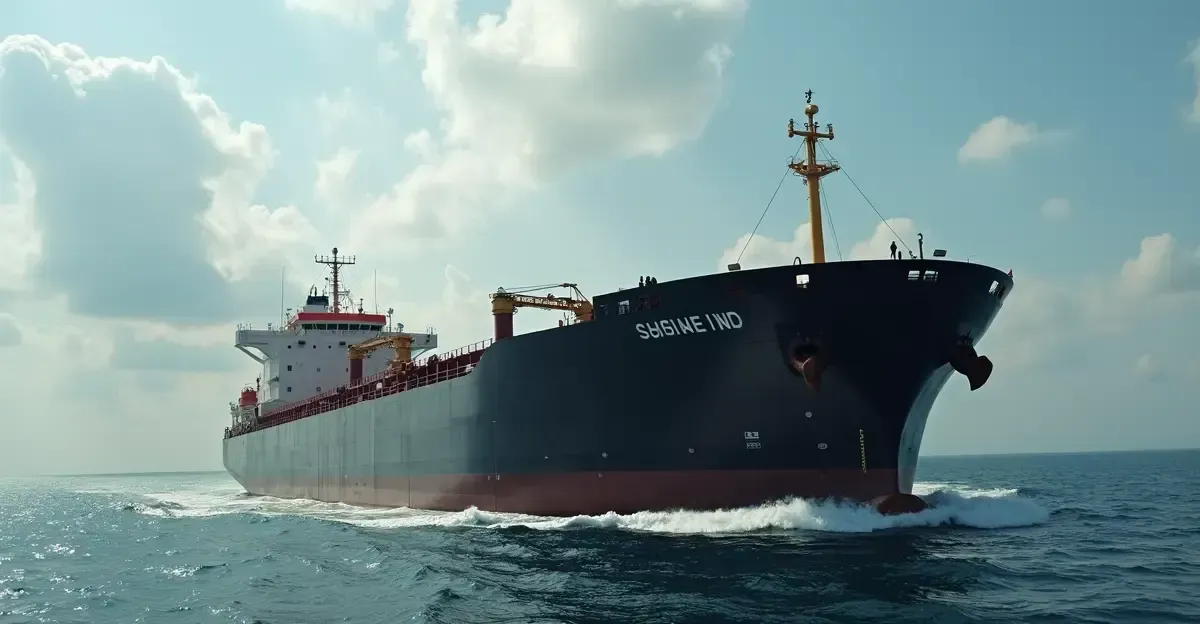
The administration's offer of federal insurance and naval escorts for commercial tankers represents an unprecedented level of government intervention in energy markets. However, implementation challenges remain significant, with analysts warning it could take days or even weeks to effectively restore oil flow through alternative arrangements.
FAQ: Trump's Oil Sanctions Suspension Explained
Which sanctions are being suspended?
While Trump didn't specify exact sanctions, the suspension appears to focus on oil-related restrictions against countries affected by the Strait of Hormuz closure, potentially including Venezuela and possibly Russia.
How long will the suspension last?
The suspension is described as temporary, lasting 'until the Strait is open again.' The duration depends on resolution of the military conflict and restoration of safe shipping through the Strait of Hormuz.
Will this lower gasoline prices in the U.S.?
Yes, the administration aims to reduce domestic gasoline prices toward $2.40 per gallon through increased supply from Venezuela and other sources, though market volatility may continue.
What happens if Iran blocks the Strait completely?
Trump has threatened 'heavier bombing' if Iran completely blocks oil shipments, indicating military escalation would follow any attempt to completely shut down the strategic waterway.
How does this affect global energy security?
The policy represents a significant shift toward prioritizing immediate supply security over longer-term sanctions objectives, potentially reshaping global energy trade patterns.
Follow Discussion