


 Deutsch
 English
 Español
 Français
 Nederlands
 Português


 Share
Share




What is the US Temporary Iran Oil Sanctions Waiver?
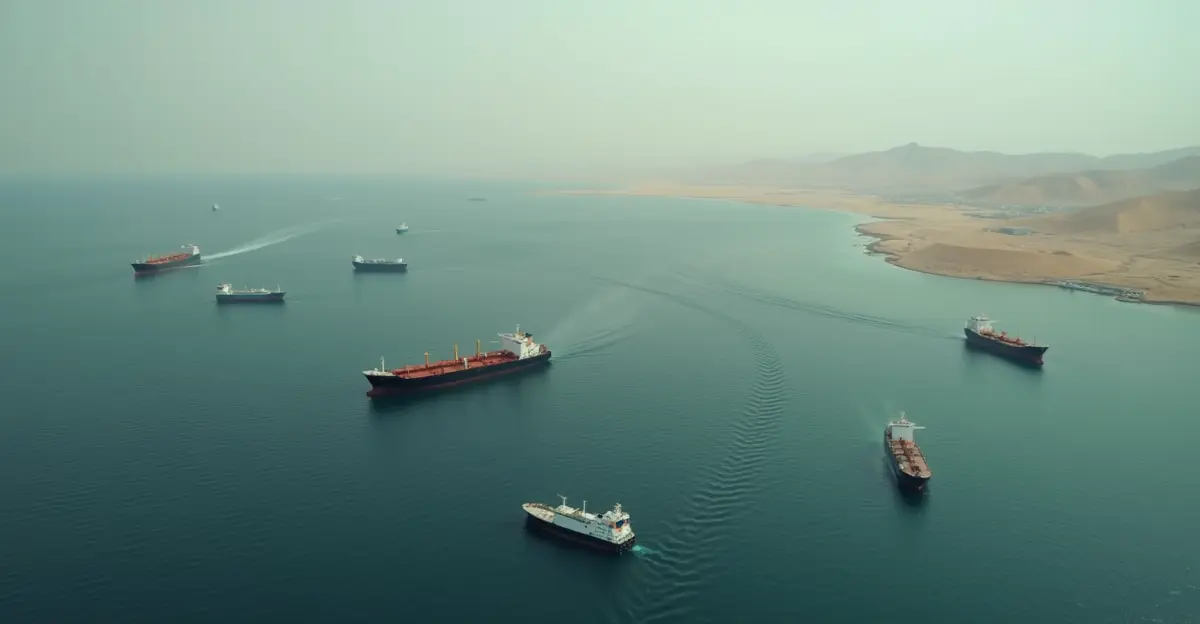
The United States has implemented a temporary sanctions waiver on Iranian oil shipments already at sea, marking a significant policy shift aimed at curbing soaring global oil prices amidst the ongoing Strait of Hormuz crisis. The US Treasury Department announced that sales and deliveries of Iranian crude oil and petroleum products already loaded onto vessels before Friday will be permitted until April 19, 2026. This strategic move comes as oil prices have surged past $126 per barrel, the highest level in four years, due to the effective closure of the critical Strait of Hormuz shipping route.
Background: The Strait of Hormuz Crisis
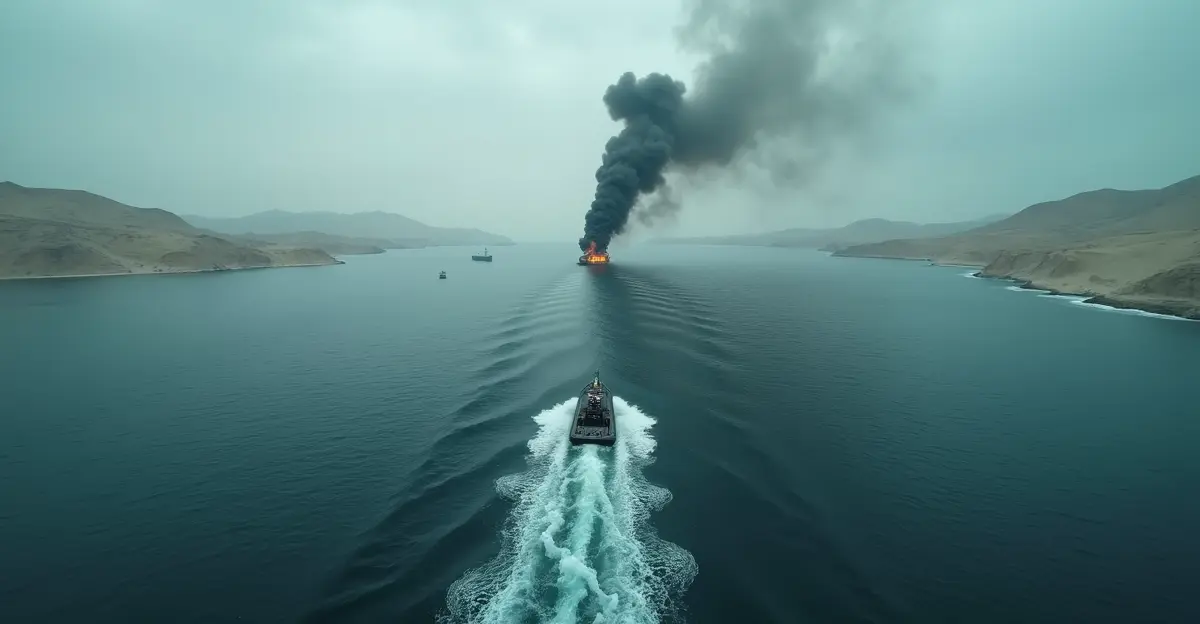
The current geopolitical situation stems from the February 28, 2026 joint US-Israeli military strikes on Iran, which resulted in the death of Supreme Leader Ali Khamenei. In retaliation, Iran launched missile and drone attacks on US bases and Israeli territory while its Islamic Revolutionary Guard Corps (IRGC) issued warnings prohibiting vessel passage through the Strait of Hormuz. This vital maritime choke point normally handles approximately 20 million barrels of oil daily, representing about 20% of global seaborne oil trade. The disruption has been described as the largest to global energy supplies since the 1970s energy crisis.
Key Details of the Sanctions Relief
What the Waiver Allows
The temporary sanctions relief specifically applies to:
- Iranian crude oil and petroleum products already loaded onto vessels before the announcement
- Sales and deliveries of these shipments until April 19, 2026
- Transactions involving these specific shipments that were already in transit
Official Statements and Timing
US Treasury Secretary Scott Bessent indicated on Thursday that the administration was considering sanctions relief, with the formal announcement coming from the Treasury Department. 'This temporary measure is designed to address immediate supply concerns while maintaining our strategic pressure on the Iranian regime,' a Treasury spokesperson stated. However, Iran's Oil Ministry responded on Friday by claiming it has no surplus crude oil at sea, suggesting the immediate impact may be limited.
Why This Matters: Global Oil Market Implications
Price Stabilization Efforts
The primary objective of this sanctions relief is to prevent further oil price escalation that could trigger global economic instability. Brent crude prices had already surpassed $100 per barrel on March 8, 2026, for the first time in four years, reaching a peak of $126 per barrel. The global energy market volatility has prompted emergency responses from multiple governments and international organizations.
Strategic Considerations
This temporary waiver represents a delicate balancing act for the Trump administration. While maintaining pressure on Iran through sanctions remains a cornerstone of US foreign policy, the economic consequences of sustained high oil prices could undermine domestic economic stability ahead of the 2026 midterm elections. The move also reflects concerns about potential European energy security challenges, as Europe receives 12-14% of its LNG from Qatar through the now-disrupted Strait of Hormuz.
Market Reactions and Expert Analysis
Energy market analysts have offered mixed reactions to the announcement. Some experts suggest the temporary relief may provide modest price relief, while others note that the actual volume of affected shipments may be limited given Iran's claim of no surplus oil at sea. Insurance premiums for vessels transiting the Strait of Hormuz had already increased from 0.125% to between 0.2% and 0.4% of ship value per transit before the crisis, adding significant costs to oil shipments.
What Happens Next: Timeline and Future Scenarios
The temporary waiver expires on April 19, 2026, creating a clear timeline for market adjustments. Several scenarios could unfold:
- Limited Price Relief: If Iran's claim of no surplus oil is accurate, the waiver may have minimal immediate impact on prices
- Gradual Market Stabilization: Combined with other measures, this could contribute to gradual price normalization
- Geopolitical Escalation: Further military actions could negate any benefits from the sanctions relief
Frequently Asked Questions
How long does the Iran oil sanctions waiver last?
The temporary sanctions relief on Iranian oil shipments is valid until April 19, 2026, covering only shipments already loaded onto vessels before the announcement.
Why did the US implement this temporary waiver?
The primary reason is to curb soaring global oil prices caused by the Strait of Hormuz closure, which has disrupted approximately 20% of daily global oil supply and pushed Brent crude above $126 per barrel.
What oil shipments are covered by the waiver?
Only Iranian crude oil and petroleum products already loaded onto vessels before the announcement are covered. New shipments or production are not included in the temporary relief.
How will this affect global oil prices?
Experts suggest the impact may be modest given Iran's claim of no surplus oil at sea, but it represents a psychological signal to markets that major consumers are taking action to stabilize prices.
What happens after April 19, 2026?
Unless extended, US sanctions on Iranian oil will resume fully after April 19, potentially creating new market uncertainty if the Strait of Hormuz situation remains unresolved.




Follow Discussion