


 Deutsch
 English
 Español
 Français
 Nederlands
 Português


 Share
Share




What is the Trump Iran Oil Trading Scandal?
The financial markets are facing intense scrutiny after $580 million in suspicious oil futures transactions occurred just minutes before President Donald Trump's unexpected announcement about 'productive' talks with Iran. This potential insider trading scandal involves both traditional financial markets and emerging prediction platforms, raising serious questions about market integrity and the exploitation of confidential government information for personal gain.
Background: The Suspicious Trading Pattern
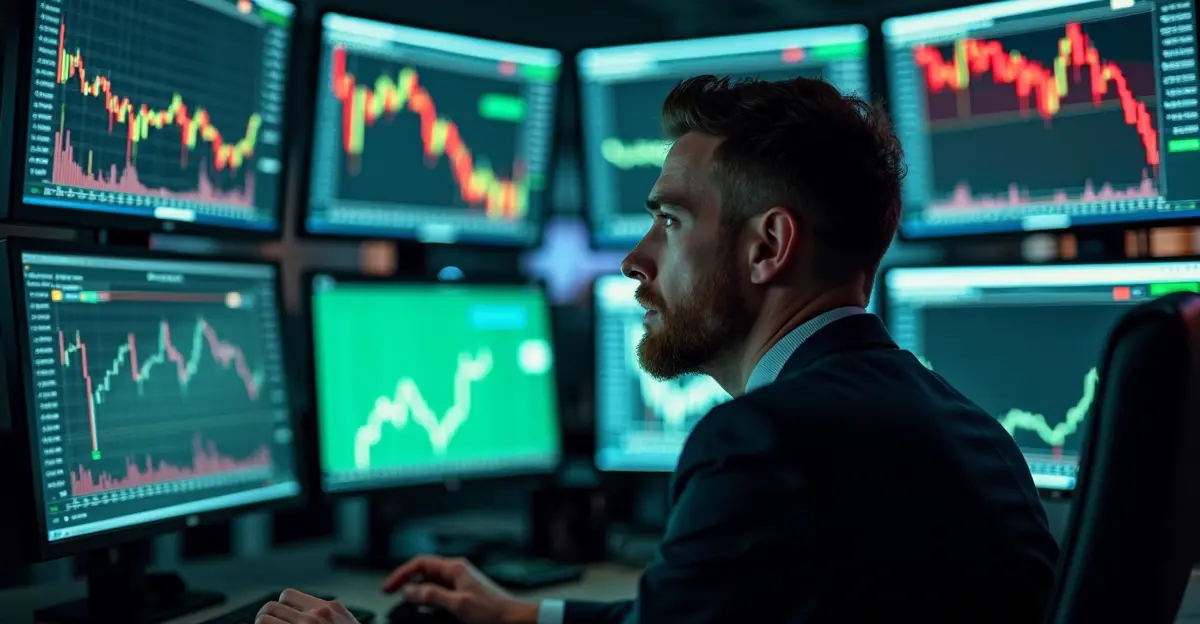
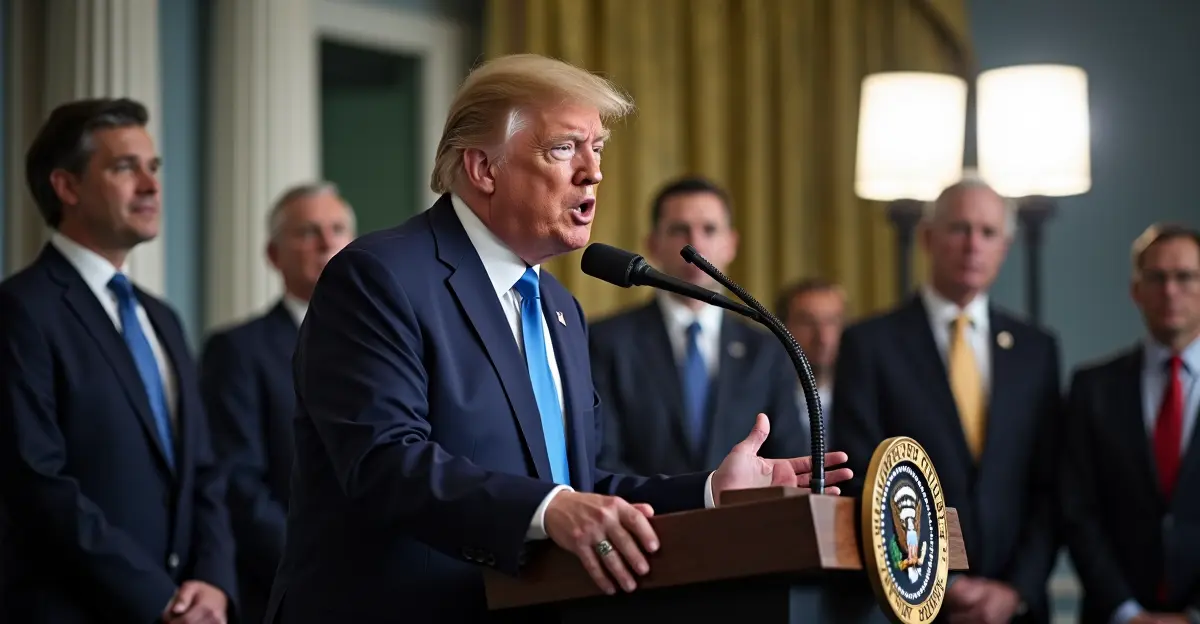
Between 6:49-6:50 a.m. EST on March 25, 2026, approximately 6,200 Brent and West Texas Intermediate crude oil futures contracts worth $580 million were traded in a single minute - nearly nine times the average volume for that time period. Just 15 minutes later at 7:04 a.m., President Trump posted on Truth Social about 'productive conversations' with Iran, causing oil prices to plunge more than 10% and stock futures to surge over 1,000 points. The timing is particularly suspicious because no market-moving announcements were scheduled, and the trades preceded Trump's post that dramatically shifted market dynamics.
Nobel Prize-winning economist Paul Krugman has been particularly vocal about the implications, writing in a Substack article: 'We have another word for situations where people with access to confidential national security information, such as plans to bomb another country or not, exploit that information for personal gain. That word is treason.' The White House has denied any wrongdoing, with a spokesperson calling suggestions of officials profiting from insider knowledge 'baseless and irresponsible.'
Prediction Markets: The New Frontier of Suspicious Activity
How Prediction Markets Work
Beyond traditional financial markets, prediction platforms like Polymarket and Kalshi have seen similar patterns of suspicious activity. These platforms allow users to bet on geopolitical outcomes, including military actions, diplomatic developments, and leadership changes. In the case of Iran, Polymarket hosts 262 active prediction markets with over $133.7 million in total trading volume, while Kalshi provides tools for tracking sentiment on Iranian political dynamics.
Shayne Coplan, CEO of Polymarket, has acknowledged the platform's use in geopolitical contexts, stating that 'people in the Middle East' use his platform to assess whether they 'need to sleep near a shelter.' When the probability of an attack reaches 80%, it suggests actual preparations are underway, creating potential for insider exploitation.
Patterns of Suspicious Betting
Several concerning patterns have emerged:
- Traders placed well-timed bets hours before airstrikes began, correctly predicting attacks when odds showed only a 17% chance
- Some users have earned over $100,000 with exceptionally high success rates on geopolitical predictions
- Controversial 'death markets' emerged around whether Iran's Supreme Leader would be ousted
- Over $1 billion was wagered on various aspects of the Iran conflict across prediction platforms
Regulatory Response and Legal Framework
Current Regulations and Gaps
While US law prohibits government employees from trading on non-public information related to their work, significant gaps exist in enforcement and scope. Maxim van Mil, editor at BNR Beurs, notes: 'In the US, it is not forbidden for politicians to invest. Although it has been a point of contention for years. It is often abused, by steering policy out of self-interest or trading with insider knowledge.'
The Commodity Futures Trading Commission (CFTC) is reportedly reassessing its oversight approach amid growing concerns about potential market manipulation in both oil futures and prediction markets. However, the rapid evolution of prediction platforms has outpaced regulatory frameworks, creating what experts call a 'regulatory vacuum.'
Proposed Legislative Changes
Democratic lawmakers, including Senator Chris Murphy, have called for congressional inquiries and proposed legislation to address these issues. Key proposals include:
- Banning top government officials from trading on prediction markets
- Strengthening disclosure requirements for political investments
- Creating specific prohibitions against wagering on human lives in prediction markets
- Enhancing enforcement capabilities for the CFTC and SEC
These measures aim to address what Jan Postma, America correspondent, describes as a recurring pattern: 'It is not the first time that a lot of trading has taken place on the stock exchange, and heavy betting has taken place just before Trump makes a major announcement. There have long been calls to investigate this.'
Impact on Market Integrity and National Security
Market Confidence Concerns
The suspicious transactions have raised fundamental questions about market integrity. When traders can potentially profit from confidential government information, it undermines public confidence in financial markets and creates unfair advantages. This situation mirrors concerns about cryptocurrency market manipulation that have plagued digital asset markets in recent years.
National Security Implications
Beyond financial markets, there are serious national security implications. The ability to infer government intentions from market activity creates potential vulnerabilities. As prediction markets become more sophisticated, they could potentially reveal sensitive information about military planning or diplomatic strategies, similar to how intelligence agency leaks have compromised operations in the past.
The intersection of financial markets and national security represents a new frontier in regulatory challenges, requiring coordinated responses across multiple government agencies. The situation with Iran highlights how geopolitical tensions can create opportunities for financial exploitation, potentially compromising both market integrity and national security objectives.
Frequently Asked Questions
What exactly happened with the oil futures trading?
Approximately $580 million in oil futures were traded in one minute just before President Trump announced productive talks with Iran, causing oil prices to drop over 10%. The timing suggests potential insider knowledge of the upcoming announcement.
Are prediction markets like Polymarket legal?
Prediction markets operate in a regulatory gray area. While some platforms like Kalshi are US-regulated, others like Polymarket operate internationally with fewer restrictions. Recent controversies have prompted calls for clearer regulation.
What is being done to prevent this type of activity?
The CFTC is reassessing its oversight approach, and lawmakers have proposed legislation to ban government officials from trading on prediction markets and strengthen disclosure requirements for political investments.
How common is this type of suspicious trading around Trump announcements?
According to experts, this pattern has occurred multiple times around major Trump announcements, though the Iran incident represents one of the most financially significant examples.
What are the penalties for insider trading in this context?
Insider trading involving government information can carry severe penalties including fines and imprisonment, though enforcement in these specific geopolitical contexts remains challenging.



Follow Discussion