


 Deutsch
 English
 Español
 Français
 Nederlands
 Português


 Share
Share




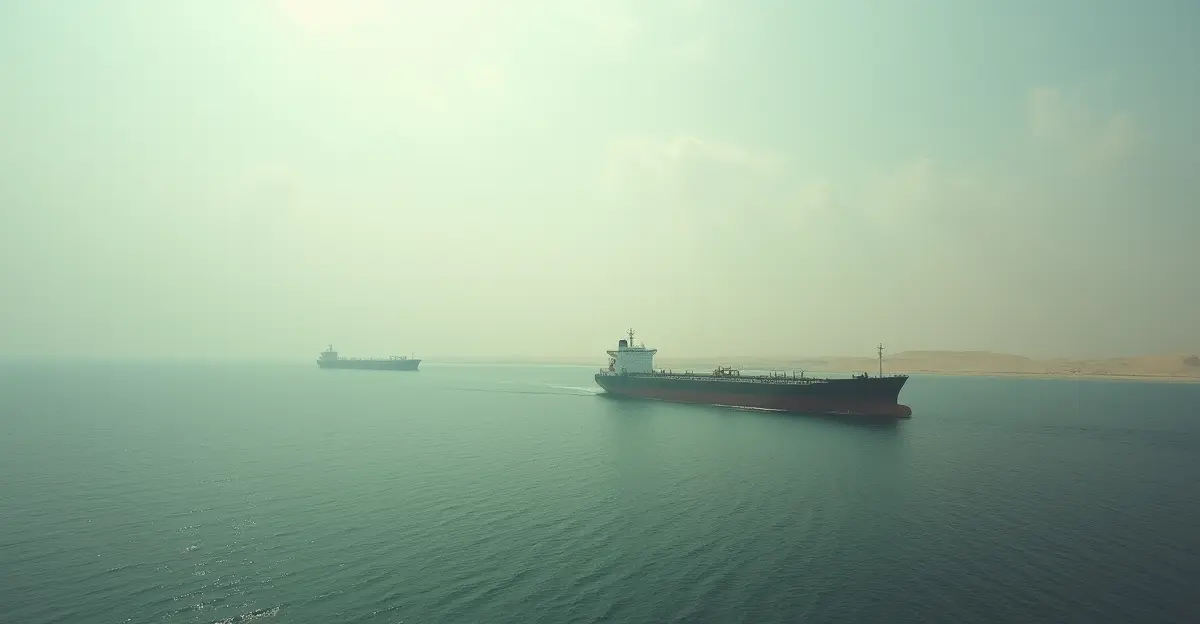
The February 2026 closure of the Strait of Hormuz has triggered the largest oil supply disruption in history, removing approximately 10 million barrels per day from world markets and sending shockwaves through the global economy. With 20% of global oil flows once transiting this 34-kilometer chokepoint between Iran and Oman, the crisis has forced importing nations to accelerate strategic reserve releases, fast-track renewable deployment, and renegotiate security guarantees for critical maritime passages. The IMF, World Bank, and Dallas Federal Reserve have all published fresh analyses in recent weeks, making this the most consequential global economic development of 2026.
Background: How the Strait of Hormuz Closed
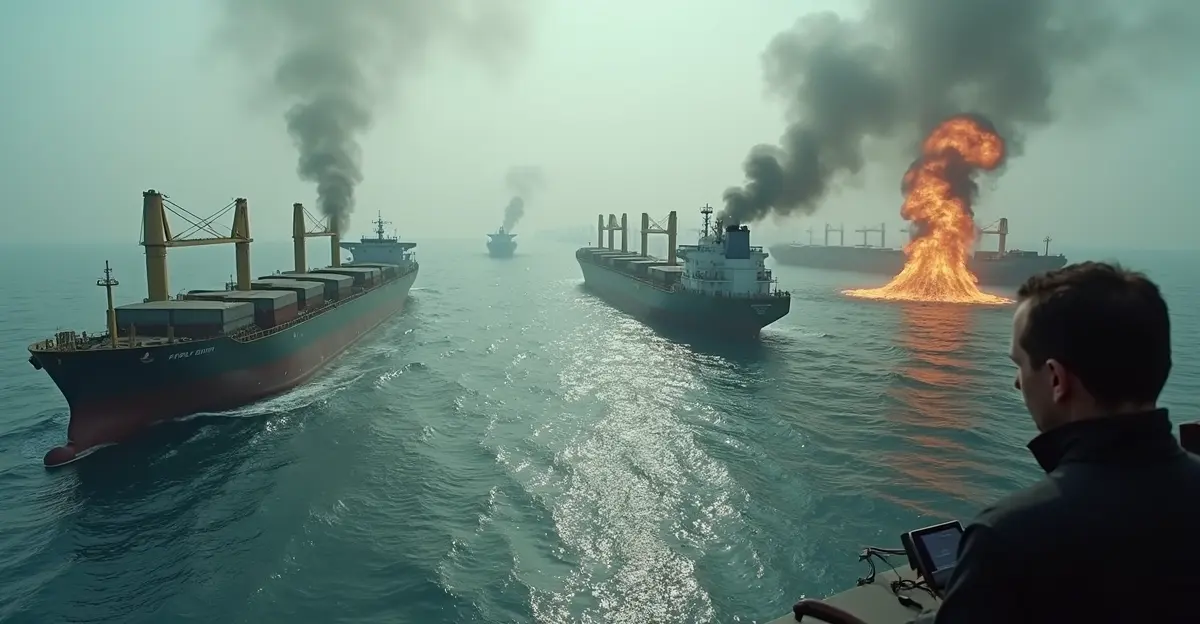
On February 28, 2026, the United States and Israel launched an air war against Iran, assassinating Supreme Leader Ali Khamenei. In retaliation, Iran's Revolutionary Guard Corps issued warnings forbidding passage through the Strait of Hormuz, boarded and attacked merchant ships, and laid sea mines. Tanker traffic dropped by 70% within days, then fell to near zero. By late March, the IRGC declared the strait closed to vessels going to or from ports of the US, Israel, and their allies. The International Maritime Organization reported that about 20,000 mariners and 2,000 ships were stranded in the Persian Gulf. The 2026 Strait of Hormuz crisis became the largest disruption to world energy supply since the 1970s.
Unprecedented Supply Shock and Price Surge
Brent crude oil prices surpassed $100 per barrel on March 8 for the first time in four years, peaking at $126 per barrel. The largest-ever monthly increase in oil prices occurred in March 2026. According to the World Bank's April 2026 Commodity Markets Outlook, energy prices are projected to surge 24% this year, with Brent crude averaging $86 per barrel in 2026, up from $69 in 2025. The EIA's April Short-Term Energy Outlook estimated 7.5 million barrels per day of Gulf production was shut in during March, rising to 9.1 million bpd in April, with Brent expected to peak at $115 per barrel in Q2 2026.
Impact on Other Commodities
The crisis has cascaded beyond oil. Fertilizer prices are projected to increase 31%, threatening food security. Base metals like aluminum, copper, and tin are expected to reach all-time highs, while precious metals are forecast to rise 42%. The global commodity price surge is driving inflation in developing economies to an average of 5.1% in 2026, with growth slowing to 3.6%—0.4 percentage points below January projections.
Macroeconomic Fallout: GDP, Inflation, and Recession Risks
The Dallas Federal Reserve's modeling shows that if the Strait remains closed for one quarter (Q2 2026), global real GDP growth would fall by an annualized 2.9 percentage points, with WTI oil prices rising to $98 per barrel. A two-quarter closure could push oil to $115, and three quarters to $132. Even after reopening, GDP levels may remain below pre-closure levels for years.
The IMF's April 2026 World Economic Outlook presents three stark scenarios. Under the baseline (oil at $82/barrel), global growth slows to 3.1%. The adverse scenario (oil at $100/barrel) drops growth to 2.5% with 5.4% inflation. The severe scenario (oil at $110–$125/barrel) pushes growth to just 2.0% and inflation above 6%—near-recession levels. IMF Chief Economist Pierre-Olivier Gourinchas warned: 'The world is drifting from the reference toward the adverse scenario.' The Reserve Bank of Australia's deputy governor Andrew Hauser described the situation as a 'central banker's nightmare,' warning of stagflation.
Structural Reconfiguration of Energy Supply Chains
The crisis is accelerating a permanent restructuring of global energy routes. Saudi Arabia's East-West Pipeline and the UAE's ADCOP pipeline together can move up to 6.5 million barrels per day bypassing Hormuz, but normal Hormuz traffic was 17 million bpd. IEA Executive Director Fatih Birol warned: 'The global economy can be held hostage by a single chokepoint.' Gulf producers are now exploring new pipeline projects to ensure permanent route diversification. However, recent Iranian attacks on Saudi pipelines and UAE port facilities show that bypass routes are also vulnerable. The energy security implications are driving a fundamental reassessment of global supply chain resilience.
Strategic Reserve Releases and Policy Responses
Importing nations have begun releasing strategic petroleum reserves at an unprecedented pace. The US, Japan, South Korea, and European countries have coordinated releases totaling hundreds of millions of barrels. The Biden administration (and later Trump administration) authorized emergency drawdowns, while the IEA activated collective action measures. Central banks face a difficult trade-off: taming inflation versus protecting growth. Gourinchas advised against broad fuel subsidies, urging targeted transfers instead.
Expert Perspectives
The Dallas Fed's Q1 2026 Energy Survey of 120 oil and gas executives reveals expectations of prolonged disruptions lasting months, with 39% expecting recovery by August and others pointing to late 2026 or beyond. Nearly half (48%) view future disruptions as 'very likely' within five years. Shipping costs from the Persian Gulf are expected to remain elevated at $2–$4 per barrel post-conflict. US production gains are forecast to be modest, with the most common outlook at up to 250,000 bpd increase in 2026.
World Bank economists note that the crisis has exposed structural vulnerabilities that will persist even after the Strait reopens. The future of global energy trade will likely involve diversified export corridors, expanded pipeline networks, and accelerated investment in renewable energy to reduce dependence on chokepoints.
FAQ
What caused the Strait of Hormuz closure in 2026?
The closure was triggered by the US-Israeli air war against Iran on February 28, 2026, which included the assassination of Iran's supreme leader. Iran retaliated by blocking the strait, attacking ships, and laying mines.
How much oil flows through the Strait of Hormuz?
Before the crisis, about 20% of global oil consumption and 25% of seaborne oil trade passed through the strait, totaling approximately 17 million barrels per day.
What is the economic impact of the closure?
The Dallas Fed estimates a one-quarter closure could lower global GDP growth by nearly 3 percentage points. The IMF's severe scenario shows growth falling to just 2.0% with inflation above 6%, approaching recession levels.
Are there alternative routes to bypass the Strait of Hormuz?
Saudi Arabia's East-West Pipeline and the UAE's ADCOP pipeline can together move about 6.5 million bpd, but this is far below the 17 million bpd that previously transited the strait. New pipeline projects are being explored.
How long is the Strait expected to remain closed?
The Dallas Fed survey shows 39% of executives expect recovery by August 2026, while others see disruptions lasting into late 2026 or beyond. The situation remains highly volatile with ongoing military operations.
Conclusion and Future Outlook
The Strait of Hormuz crisis of 2026 represents a watershed moment for global energy security. Even after the strait reopens, the structural vulnerabilities exposed by this crisis will accelerate the transition to diversified energy routes, expanded strategic reserves, and faster renewable deployment. The world is learning a painful lesson about the risks of concentrated energy chokepoints—a lesson that will reshape global economic policy for years to come.


Follow Discussion